

“Let’s Do It, Pa!”
*
“Let’s Do It, Pa!” *
My Personal Blog
Thanks for stopping by my personal blog page where you will find all of the blog segments that have been published.
Please note: they are in chronological order, with the latest one first and the first one (1.0) at the bottom or on a previous page. The numbers refer to the chapter of the source document from which my ideas arose.
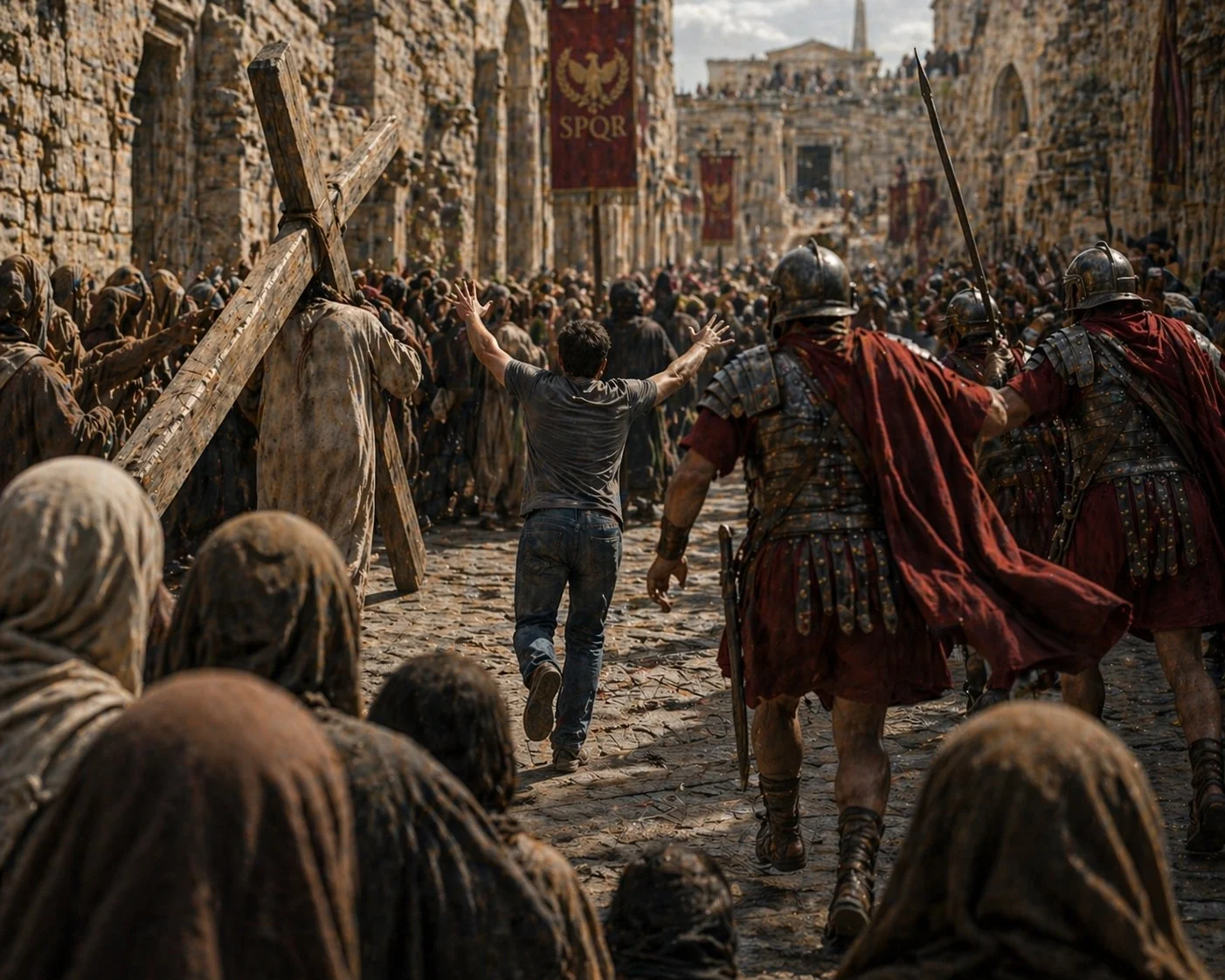
19.2 — The Message in Motion
This moment moves quickly. Too quickly. One decision becomes final, and before anyone can respond, the machinery of power is already in motion. Soldiers act with practiced precision. A route is chosen, not for speed, but for visibility.
But within that message, something unexpected emerges.
Not resistance. Not control.
Presence.
What if the most powerful moment in the story is not found in control… but in acceptance?
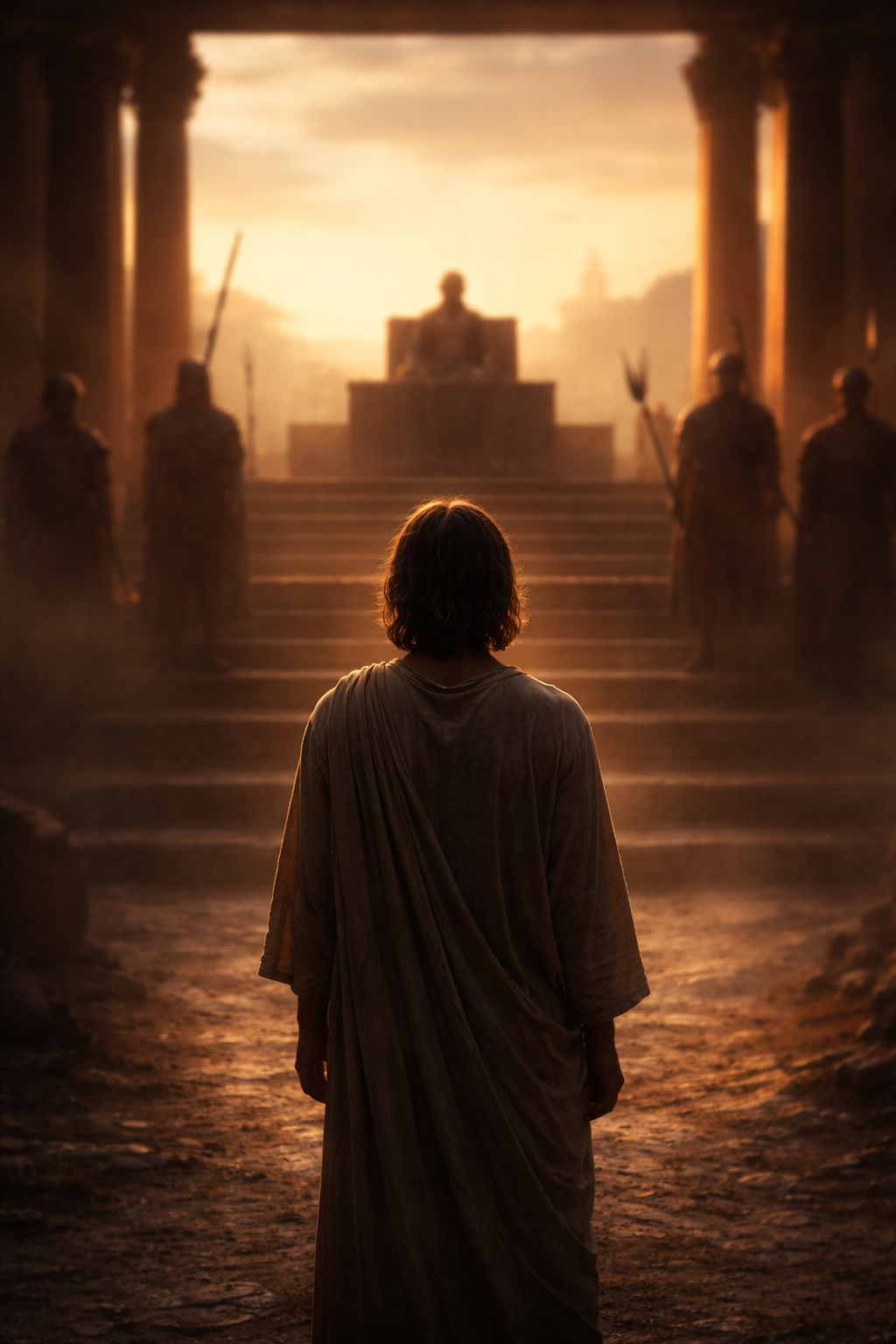
18.5 — The Governor and the Question
The story moves quickly.
Too quickly.
One moment we are in the courtyard, standing near the fire with Peter. The next, we are walking through the narrow streets of Jerusalem at first light, following a bound man toward the Praetorium.
And just like that, we are standing in a Roman courtyard, surrounded by pressure, politics, and urgency.
This is not just a trial.
It is a moment where decisions are made quickly, where language is reshaped, where truth is weighed against something else.
Pilate asks a question that has echoed for centuries.
But in that moment, it does not sound philosophical.
It sounds practical.
Necessary.
Immediate.
And somewhere inside the scene, another question begins to form. Not about them.
About us.
18.3 — The Sword and the Ear
In the garden in John 18, Peter reacts the way many of us might. He pulls a sword and tries to stop what is happening. In the chaos that follows, a servant of the high priest loses his ear. But Jesus responds with words that shift the entire moment: “Put your sword into its sheath.” The story quietly invites us to consider a choice that still faces us today. When conflict rises, will we reach for the sword, or will we listen long enough to understand what is really unfolding?

18.2 — Into the Soldiers’ Light
What if the most powerful act in the garden was not a miracle… but restraint?
John 18 shows us what real strength looks like.
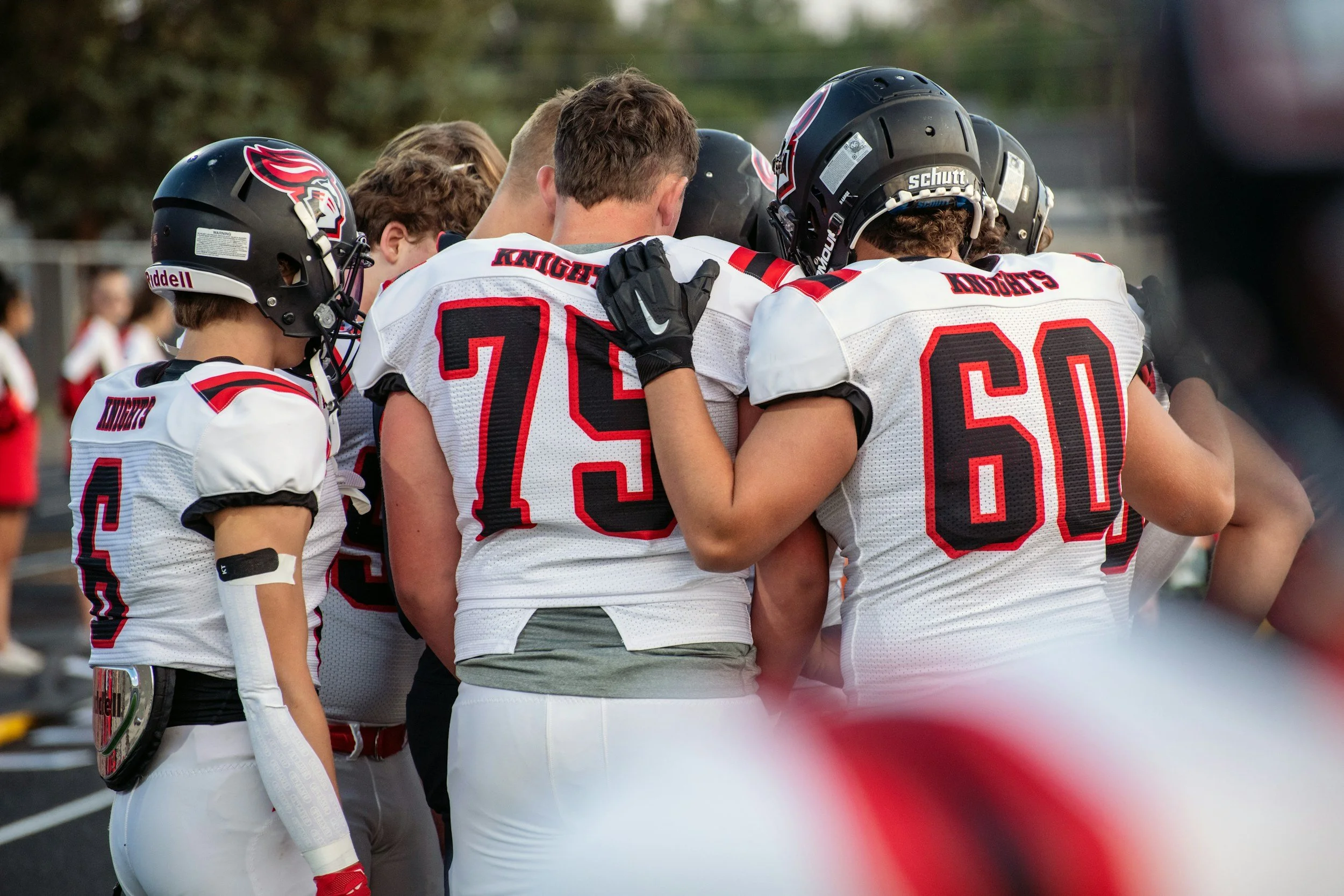
17.2 - The Huddle Where Time and Place Fall Quiet
What if Jesus’ prayer was not a sermon but a huddle. A quiet reflection on John 17 and shared presence.
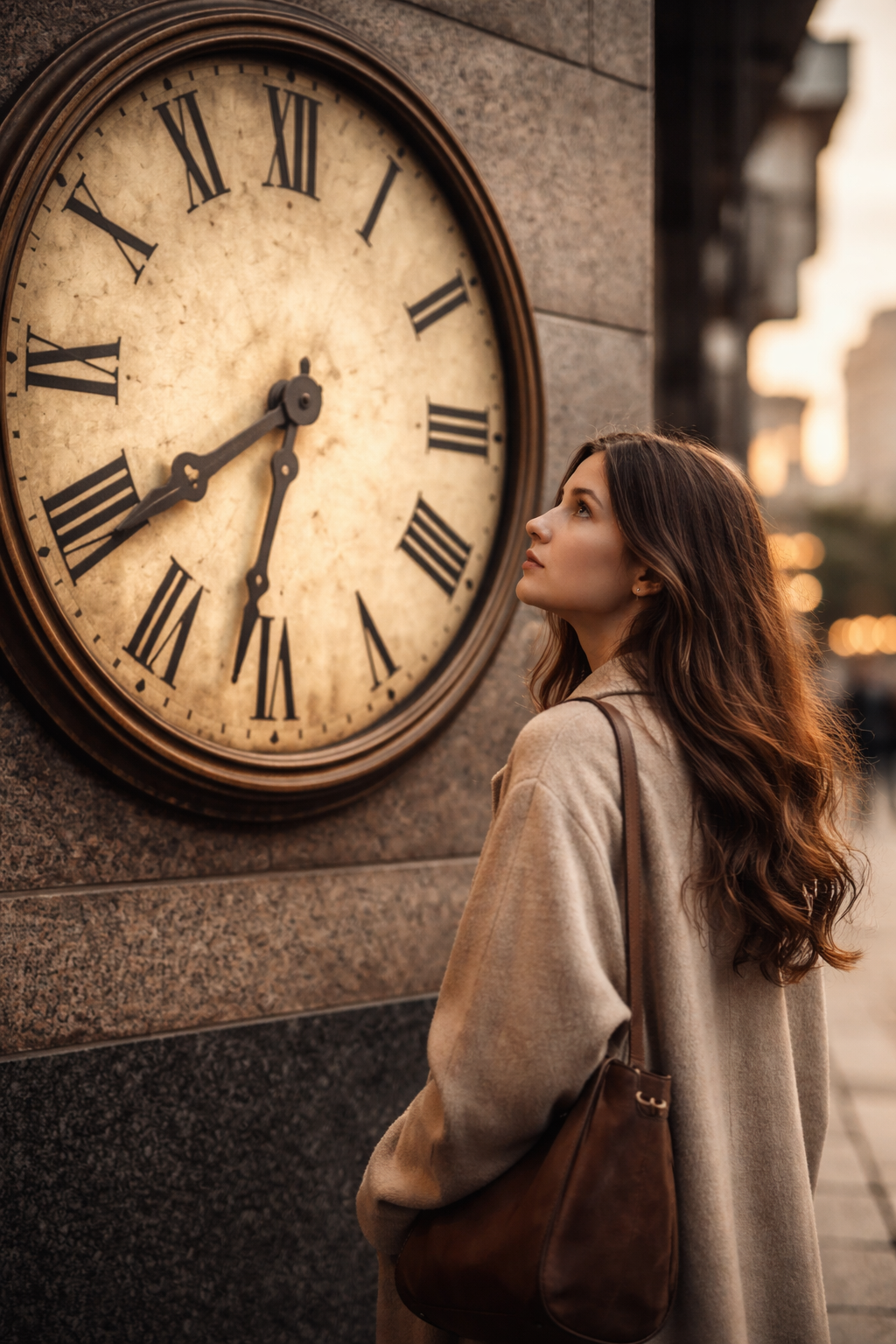
17.1 - When the Hour Comes
There are moments in life we keep walking past. Not because they are unimportant, but because we sense they might change more than we’re ready for.
Jesus’ prayer in John 17 is one of those moments.
It didn’t come during a sermon or a miracle. It came after everything had already been said. The walking stopped. The teaching quieted. The men were gathered close—not as students or servants, but as friends. And Jesus prayed aloud, close enough for them to hear what was being spoken on their behalf.
John remembers this moment decades later because he lived the rest of his life out of it. Not religion observed from a distance, but life experienced from the inside. What Jesus calls eternal life is not theory or belief alone, but a way of being—awake, aligned, and steady.
Before we try to make sense of this prayer, perhaps we’re meant to imagine it being spoken over us, the way it was spoken that night.