
17.1 - When the Hour Comes
Based on John 17:1-5
Moments We Keep Walking Past
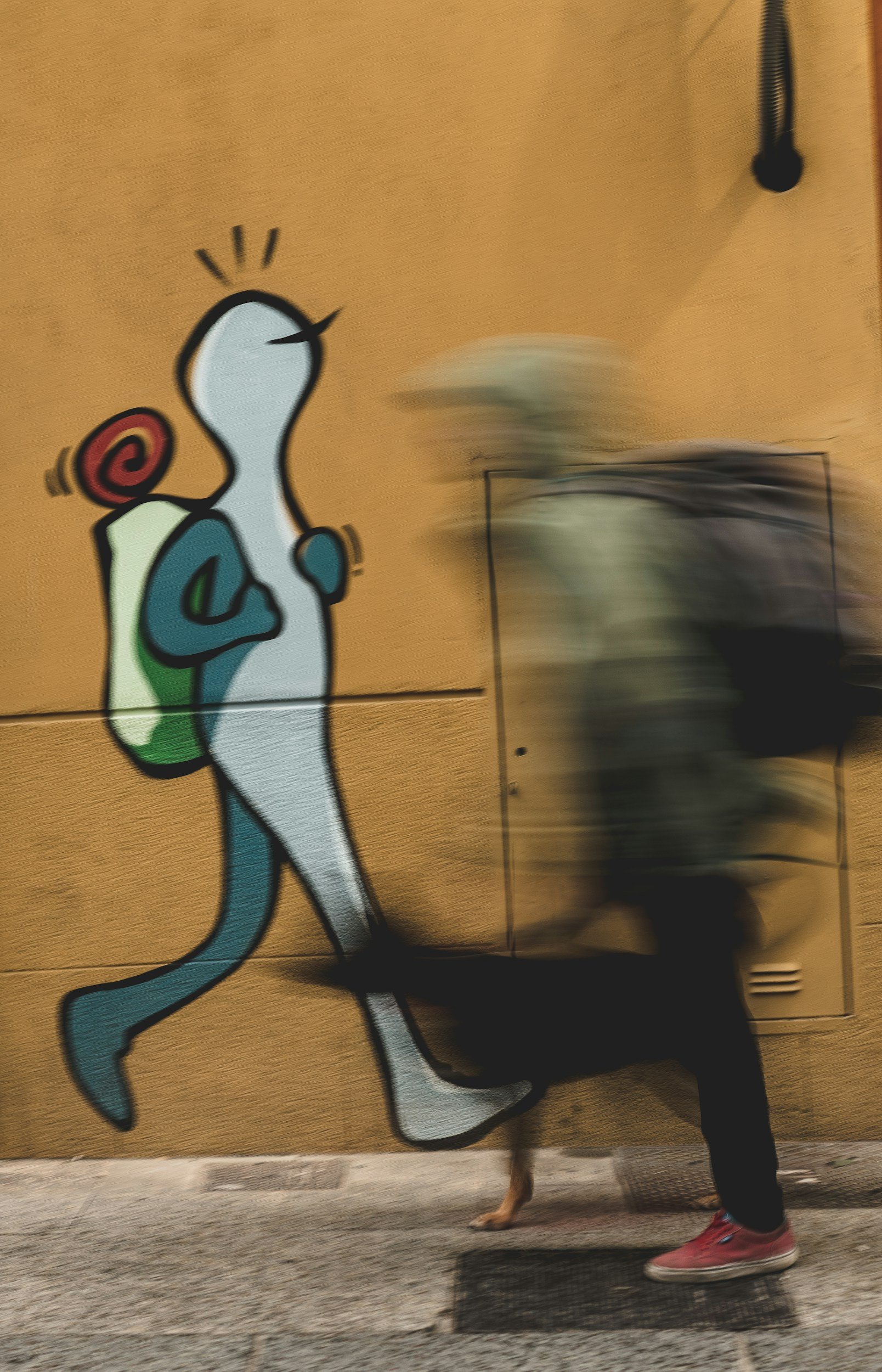
There are moments in life that stand quietly off to the side—moments we keep meaning to return to, but don’t. Not because they are unimportant, but because we sense they might change more than we’re ready for.
For me, Jesus’ prayer in John 17 has been one of those moments.
It has hovered at the edge of my life for decades—familiar, warm, quietly unsettling. I’ve noticed it, lingered near it, and then kept moving. And I’ve begun to wonder if the restlessness I learned to manage so well, the strange emptiness that follows even good achievements, the familiar Sunday-night ache before another week begins—what if none of that is a problem to solve at all?

What if it’s an invitation?
What if the constant pull toward the next new thing is actually calling me away from the next real thing?
A Prayer Meant to Be Overheard
John tells us this prayer didn’t come during a sermon or a miracle. It came after everything had already been said.
The walking had stopped.
The teaching had quieted.
The men were gathered close—no longer students, no longer servants, but friends.
Can you imagine that moment? The quiet of it? The closeness? The sense that something sacred is being shared—and you’re just close enough to hear it, maybe even be changed by it?
And in that stillness, Jesus lifted his eyes and began to pray aloud.
Not privately.
Not ceremonially.
But with them there—close enough to hear what was being spoken on their behalf, before they knew how to speak it for themselves.
“The Hour Has Come”
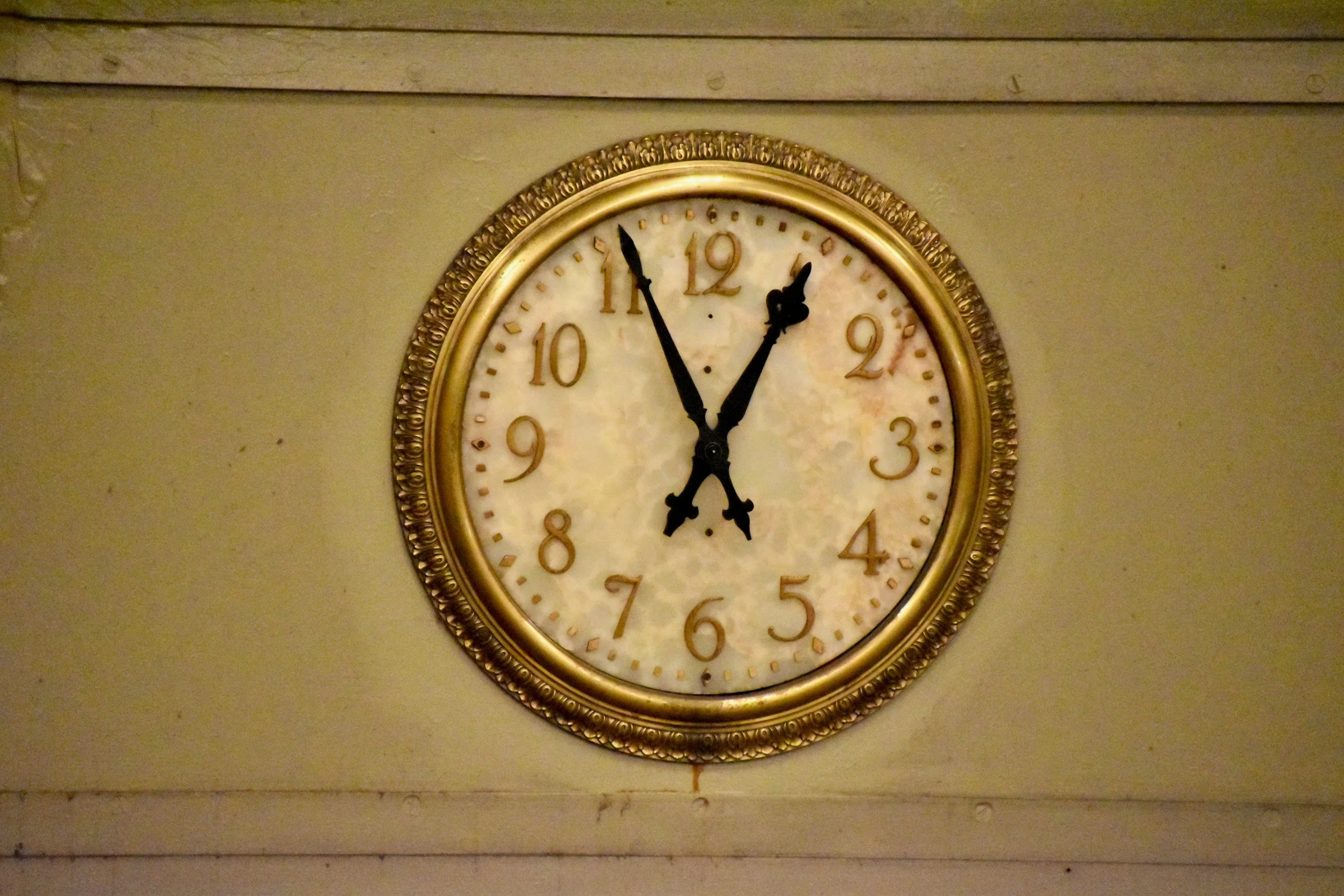
“Father, the hour has come…” (17:1)
And with that, all time stopped.
Early in his story, John remembered Jesus telling his mother, “My hour has not come.” Throughout the years, he heard him say, “An hour is coming.” Now, in the middle of this silent night, “the hour has come.”
Do you recognize that feeling? It’s the moment when what must be done is no longer unclear. You know that you know that you know. You can look away, or you can do what Jesus did: set the intention.
Looking back on this moment decades later, John remembers that once the intention was set, the actions would follow. In time, the Father’s intention and the Son’s actions would become visible to all.
This is what Jesus meant by glory.
Not spectacle.
Not applause.
But a life brought fully into alignment.
Glory as Alignment
John remembers this moment because it shaped everything that followed. He lived the remainder of his life out of it. And he tells it again, not to inform us, but in the hope that it might do the same for us.
With that in mind, do we dare linger here a little longer?

There is a vision for each of our lives. We can sense it even when we can’t name it—a pull toward what matters most. And when we drift from it, we know.
That’s the strange ache after a busy week.
That’s the hollow thud after buying the next new thing.
That’s the restlessness that lingers—not because we’re doing something wrong, but because something true is asking to be noticed.
That’s why this prayer speaks years later. It doesn’t explain the vision—it lives it.
Inside Life, Not Observing Religion
John lingers here because he wants us to feel what he felt in that huddle that night—and to experience what it came to mean to him.
John knew Jesus as well as one human being can know another. They came from similar backgrounds—both working men. John, the fisherman. Jesus, the carpenter. They walked, worked, laughed, and cried side by side.
John watched Jesus’ life from close range and slowly came to the conclusion that God must be within him—that he had been sent from God.
So when Jesus gathered them close and lifted his eyes to pray, it felt like God speaking to God.
Try to let the gravity of that moment sink in.
John wasn’t observing religion. He was inside life, real life, unfolding in real time. He was being embraced into it. And he lived the rest of his years out of that moment.
Eternal Life as Lived Knowing

There was no ceremony here—only life coming into focus.
Jesus had been living toward this hour for three years. Now, on this night, time caught up with vision. By saying, “The hour has come,” Jesus allowed his actions to unfold according to that vision.
On the spiritual level, the work was complete.
Time alone would bring it into full expression.
What Jesus calls eternal life flows from what I’ve come to think of as lived knowing.
Not just belief.
Not theory.
But a way of being, awake to what matters most. It’s the kind of clarity that doesn’t just inspire you; it steadies you.
When the hour comes, you recognize it.
And you respond—not perfectly, but on purpose.
Choosing to Linger
Maybe that’s why we hesitate to linger here. It’s risky.
What if we discover a vision that runs counter to our routines?
What if we can’t stay aligned?
I understand that fear. It’s easier to keep doing what we’ve always done.
Still, I’m choosing to linger here a while longer. And I invite you to stay with me—no pressure if you don’t.
Before we try to make sense of this prayer, perhaps we’re meant to imagine it being spoken over us, the way it was spoken that night.
To my grandchildren, and to those who will come after them:
If you ever read these words, know this—your life will offer moments that ask more of you than understanding. You may succeed, achieve, and still feel a restlessness you can’t quite name. Don’t be afraid of that. Some truths can’t be learned quickly or explained neatly. They can only be lived into over time.
I hope you learn to recognize those moments when the noise quiets, the path clarifies, and you sense that the hour has come—not to be perfect, but to be faithful to what matters most.
This is the glimpse I’ve been given, through John’s words and my own walk through loss and light.
