

“Let’s Do It, Pa!”
*
“Let’s Do It, Pa!” *
My Personal Blog
Thanks for stopping by my personal blog page where you will find all of the blog segments that have been published.
Please note: they are in chronological order, with the latest one first and the first one (1.0) at the bottom or on a previous page. The numbers refer to the chapter of the source document from which my ideas arose.
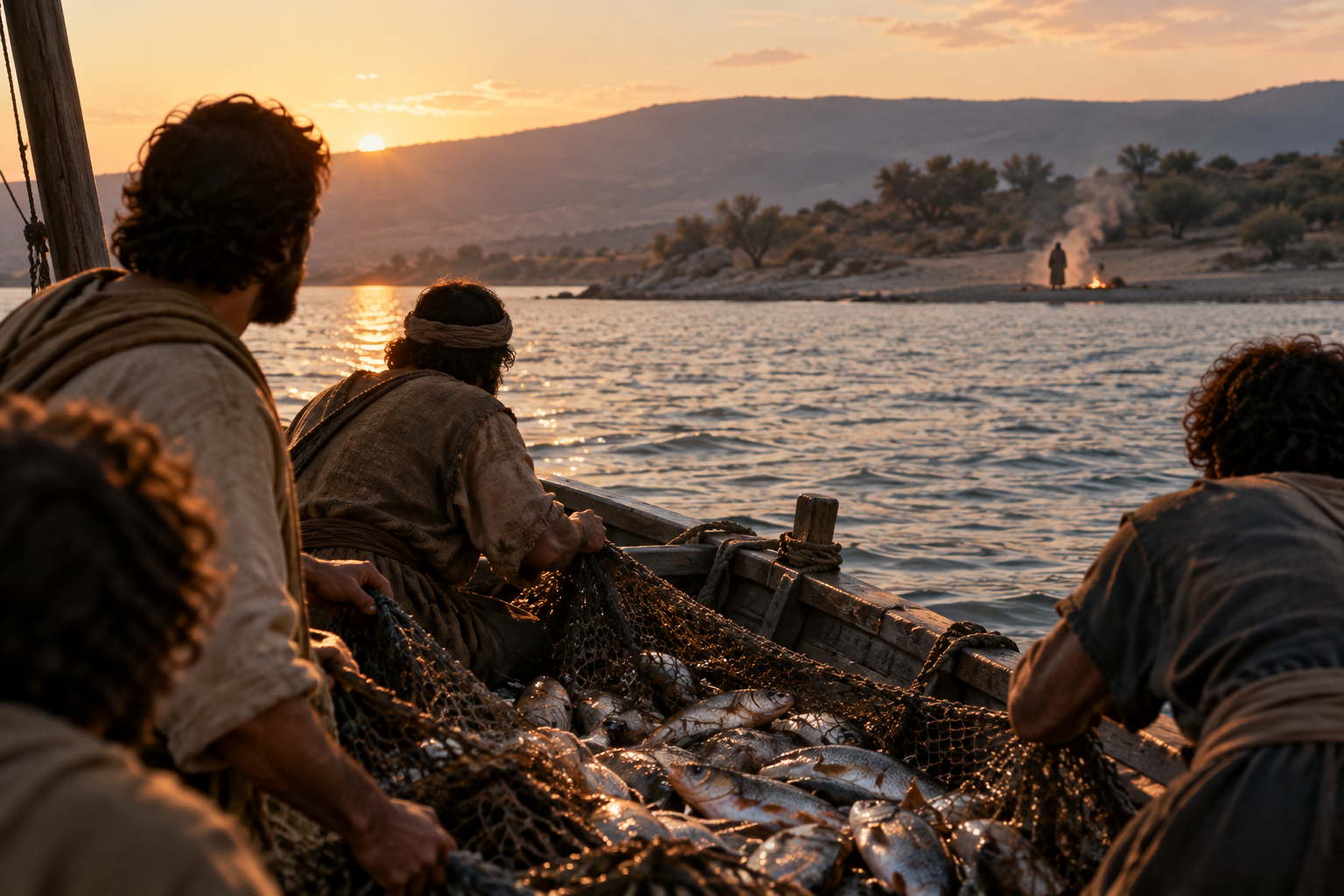
21.2 - Come and Have Breakfast
John sees Jesus first, even though the boat is still roughly a hundred yards from shore. That makes me wonder whether recognition sometimes works differently than I have assumed—not from the outside in, but from the inside out.
Peter responds by throwing himself into the water. The others drag in a net holding 153 large fish. And when they finally reach shore, they discover something remarkable: Jesus already has breakfast waiting.
A charcoal fire. Fish. Bread.
The risen Christ does not meet these tired men in a temple or on a mountaintop. He meets them where they work, feeds people who have failed him, and invites them to bring some of what they have.
Maybe John is showing us something about resurrection—and about learning to recognize God in ordinary life.
Sometimes the holy looks surprisingly ordinary.
Sometimes it looks like breakfast.

John 21.1 - Back to Galilee
After the resurrection, the disciples return home to Galilee, back to fishing, routine, and ordinary life. They spend an exhausting night catching nothing. Then, just after daybreak, Jesus quietly appears on the shoreline. John ends his Gospel by moving us away from the extraordinary and into the everyday, inviting us to discover that the risen Christ is often found in the ordinary places we least expect.

Looking Forward with Jesus
I have always looked backward at Jesus with the answer key in hand. John couldn't. For him, Jesus wasn't history. He was Tuesday...or Wednesday. What happens when I try to stand inside John's life, look forward with Jesus, and discover what believing looks like when it becomes living?

John 20.6 - The Vision That Changed Everything
John ends his Gospel by inviting us to believe, but perhaps belief is only the beginning. What kind of life grows when belief becomes trust? In this conversation with an aging John, I discover that transformation isn't found in dramatic moments but in learning to see the Father through Jesus and quietly living into that vision, one ordinary day at a time.
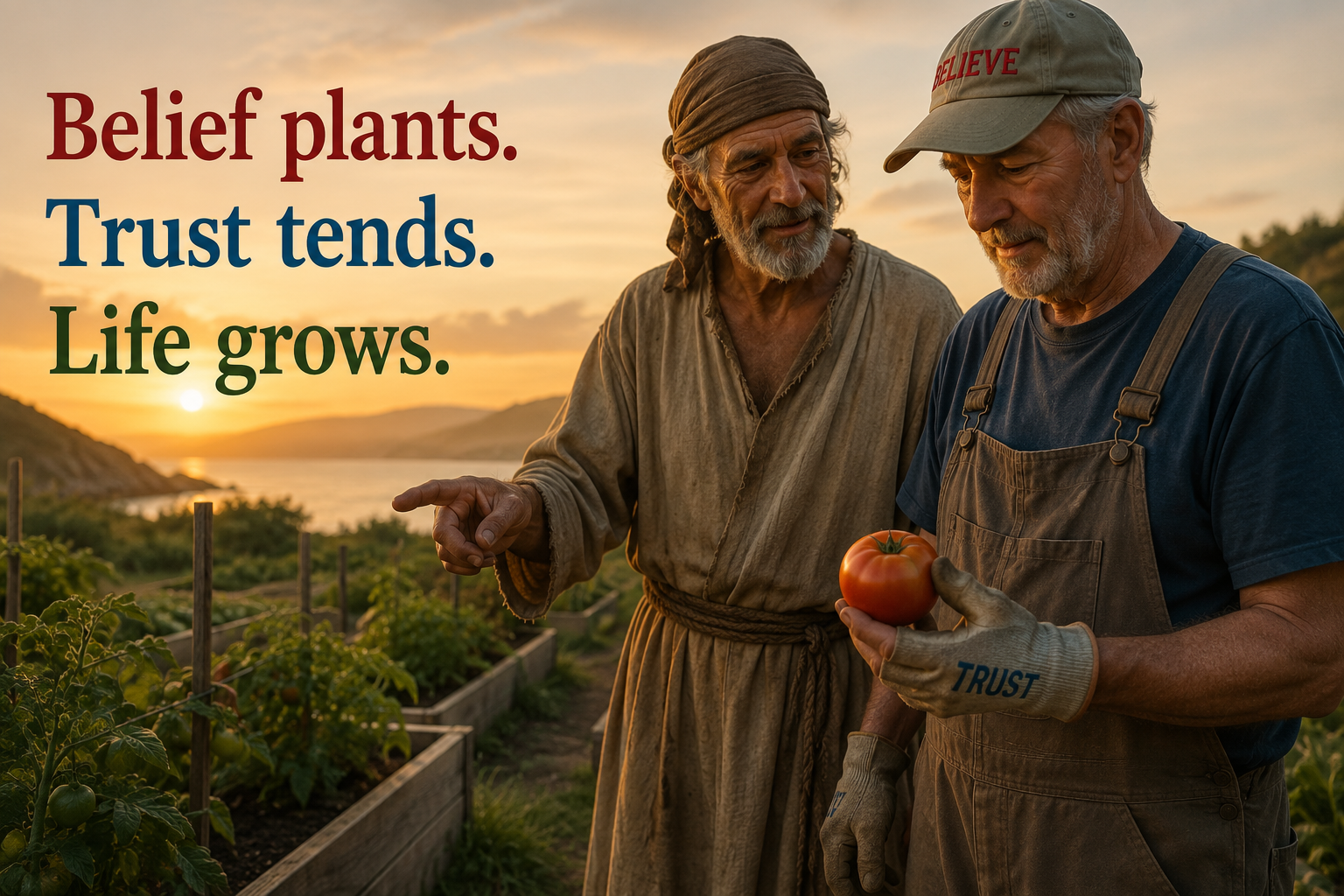
John 20.5: Where Belief Becomes Trust
John left me with a question I couldn't shake.
I'd always assumed John 20:31 was about believing the right things. But what if John meant something deeper? What if belief isn't the destination, but the beginning? As an old fisherman and a modern gardener walk together through a simple tomato patch, I begin to discover the difference between believing and trusting—and why that difference may change everything.
Belief plants. Trust tends. Life grows.
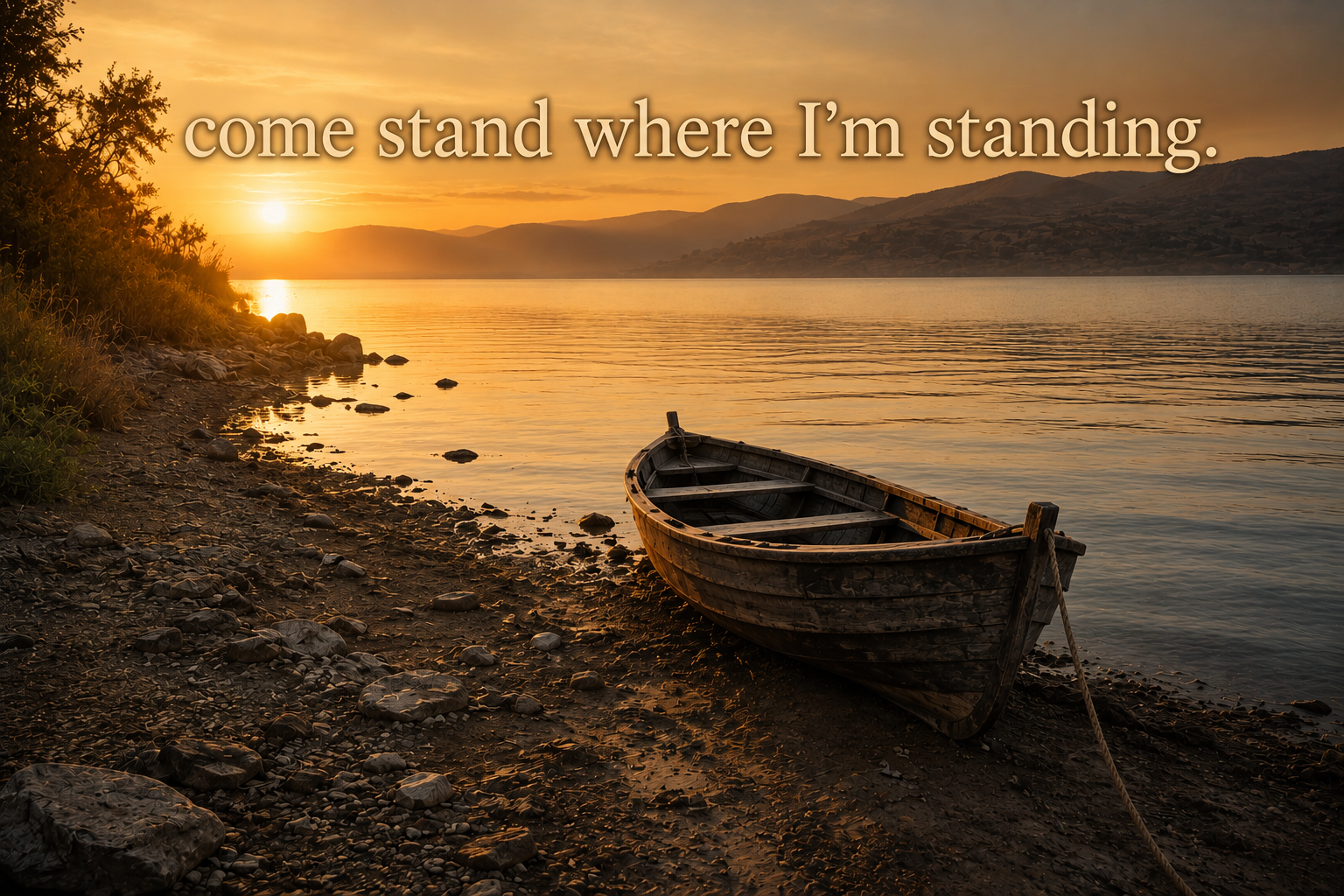
20.4 - Come Stand Where I’m Standing
After Millie died, the easy answers about God no longer worked. Four years into my journey through John’s Gospel, I returned to two verses at the end of chapter 20 and imagined John inviting me to stand where he stood, look again, and see what Jesus wanted us to understand about the Father.
20.3 - Recognition, Receiving, and Responsibility
Mary came looking for a body and left carrying a message.
What changed?
Not evidence. Not explanation.
Jesus simply spoke her name.
As I sat with John 20, I began to see a pattern running through the entire chapter: recognition, receiving, and responsibility. Again and again, people recognize life, receive a gift, and then discover that every gift carries an invitation.
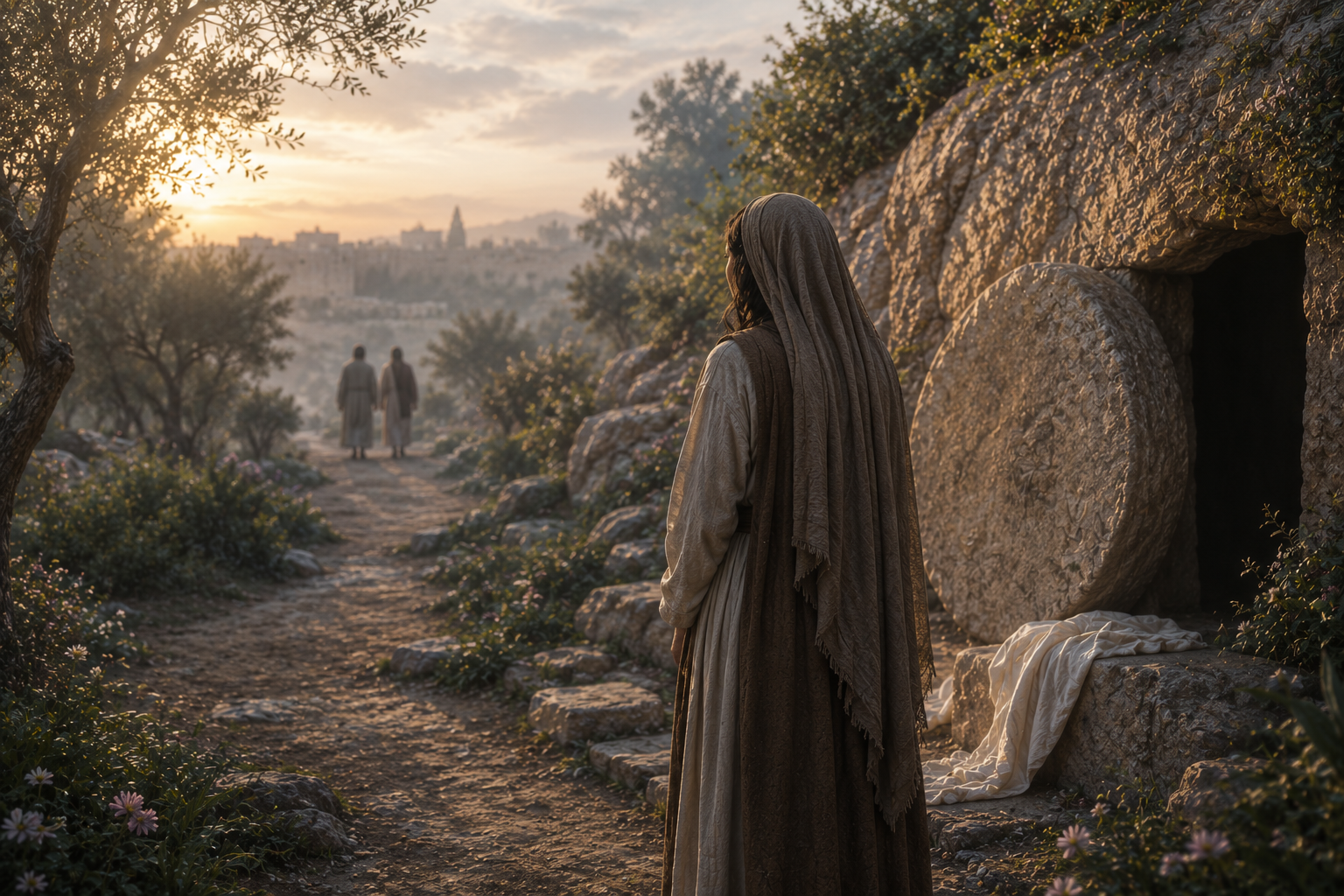
20.2 - When Love Steps Into the Absence
Peter and John leave the tomb. Mary stays.
In John 20:11–18, Mary Magdalene stands inside the gap between expectation and reality. She remains with her grief, her questions, and her confusion long enough for revelation to arrive. This reflection explores absence not merely as loss, but as the space between the life we expected and the life that is. Through Mary’s story, we discover that revelation often begins when our old understanding fails, and that new life sometimes emerges from places that appear empty.
20.1 - When Absence Is Not the Only Thing We See
In John 20:1–10, Mary Magdalene, Peter, and the beloved disciple all see the empty tomb, but they do not see it in the same way. Mary sees through the eyes of grief and alarm. Peter sees carefully, studying the evidence. The beloved disciple sees and believes, though he still does not fully understand.
This post explores those different ways of seeing, not as a ranking of faith, but as a deeply human journey. Sometimes we first see only absence. Sometimes we examine the facts. And sometimes, if grace is given, another kind of seeing begins to open.
I reflect on this passage through my own experience of losing Millie. Her absence remains real. The facts remain real. But over time, I began to see love moving through the people who came toward our family in compassion. The deeper seeing did not erase the loss. It kept absence from having the only word.

19.3 — Before the Sun Goes Down
“Finished?”
The word did not land the way I expected it to. It did not bring closure, and it did not feel like the end of anything I could recognize.
In John 19:31–42, after Jesus dies, the story does not immediately resolve. The soldiers confirm his death. The Sabbath approaches. The light begins to fade. Then two men step forward: Joseph of Arimathea and Nicodemus.
They had been near the story before, but not fully visible in it. Men of standing, men with access, men who had something to lose. Their courage may have come late, but it came.
This reflection asks what we do when life has changed, but meaning has not yet caught up. It wonders whether we act from love, duty, fear, or some mixture of all three.
Maybe the invitation is not certainty or clarity.
Maybe it is simply the next quiet step forward before the sun goes down.
19.2 — The Message in Motion
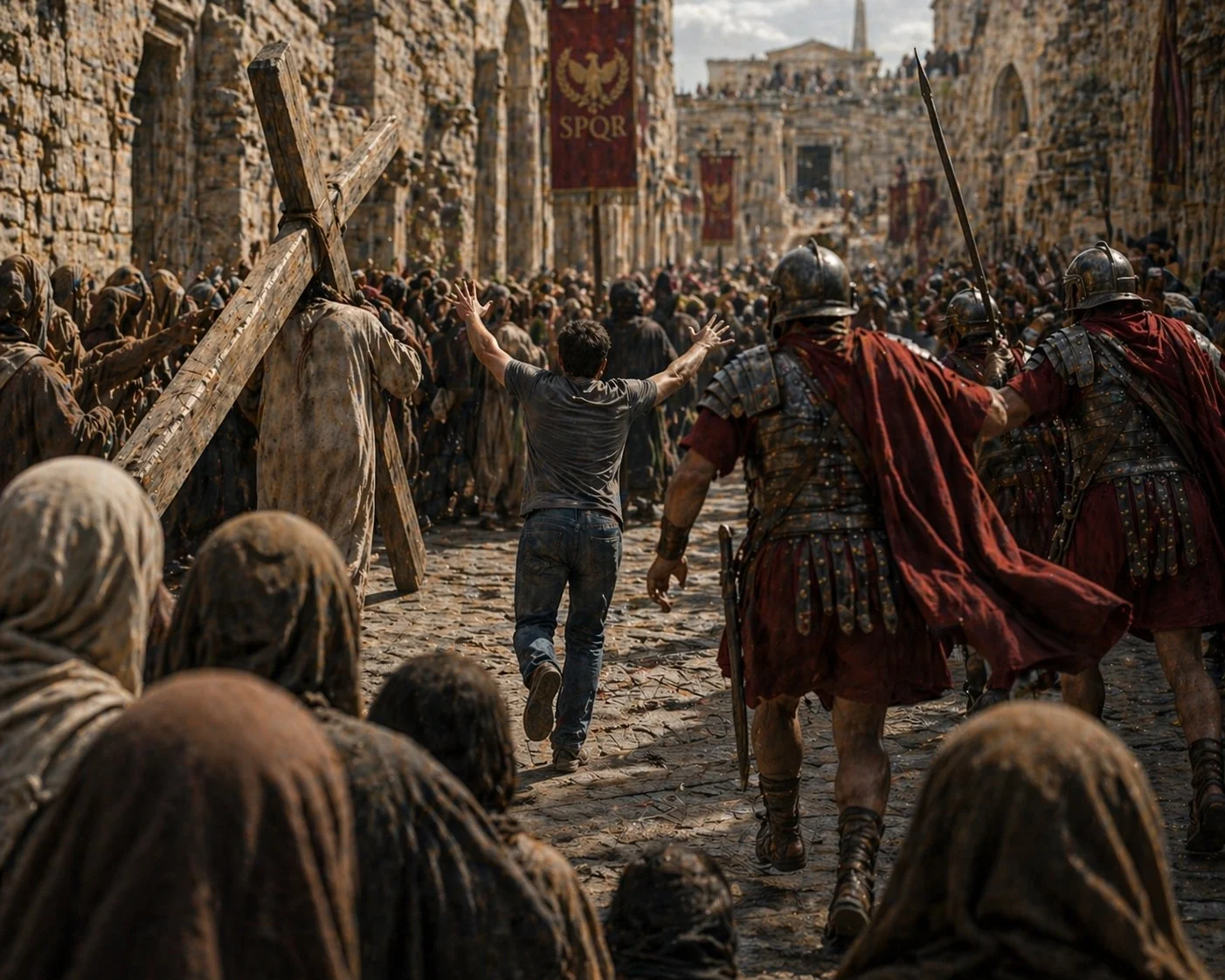
This moment moves quickly. Too quickly. One decision becomes final, and before anyone can respond, the machinery of power is already in motion. Soldiers act with practiced precision. A route is chosen, not for speed, but for visibility.
But within that message, something unexpected emerges.
Not resistance. Not control.
Presence.
What if the most powerful moment in the story is not found in control… but in acceptance?
19.1 - The Man Between Worlds
What happens when doing the right thing becomes risky? In John 19:1–16, Pilate stands at the intersection of truth and pressure, knowing Jesus is innocent yet unable to act. This moment is not just about history. It is about us. We all face situations where truth becomes inconvenient, where standing firm comes at a cost. Through the voices of the crowd, the hesitation of Pilate, and the stillness of Jesus, we are invited to ask a deeper question. What reality are we living from? This reflection explores fear, identity, and the quiet compromises we make under pressure.
18.5 — The Governor and the Question
The story moves quickly.
Too quickly.
One moment we are in the courtyard, standing near the fire with Peter. The next, we are walking through the narrow streets of Jerusalem at first light, following a bound man toward the Praetorium.
And just like that, we are standing in a Roman courtyard, surrounded by pressure, politics, and urgency.
This is not just a trial.
It is a moment where decisions are made quickly, where language is reshaped, where truth is weighed against something else.
Pilate asks a question that has echoed for centuries.
But in that moment, it does not sound philosophical.
It sounds practical.
Necessary.
Immediate.
And somewhere inside the scene, another question begins to form. Not about them.
About us.
18.4 — The Fire and the Question
John doesn’t just tell the story. He places us inside it. In this moment, we stand between two scenes: Jesus before power, calm and grounded, and Peter by the fire, uncertain and exposed. As questions are asked and pressure builds, something deeper is revealed. Not just about them, but about us. What happens when the roles we depend on begin to fall away? When certainty fades and identity feels unclear? Peter’s denial may be more than fear. It may be the honest voice of a man who no longer knows who he is. And that question still follows us today.
18.3 — The Sword and the Ear
In the garden in John 18, Peter reacts the way many of us might. He pulls a sword and tries to stop what is happening. In the chaos that follows, a servant of the high priest loses his ear. But Jesus responds with words that shift the entire moment: “Put your sword into its sheath.” The story quietly invites us to consider a choice that still faces us today. When conflict rises, will we reach for the sword, or will we listen long enough to understand what is really unfolding?

18.2 — Into the Soldiers’ Light
What if the most powerful act in the garden was not a miracle… but restraint?
John 18 shows us what real strength looks like.

18.1 — He Went Forth
After seventeen chapters of words, Jesus does something simple.
He walks.
“He went forth.” (John 18:1)
No thunder.
No spectacle.
Just a man choosing to move toward the valley.
Sometimes courage is not dramatic.
It’s simply taking the next faithful step when love requires it.
Have you had a Kidron moment?
17.3 — The Prayer That Holds Us
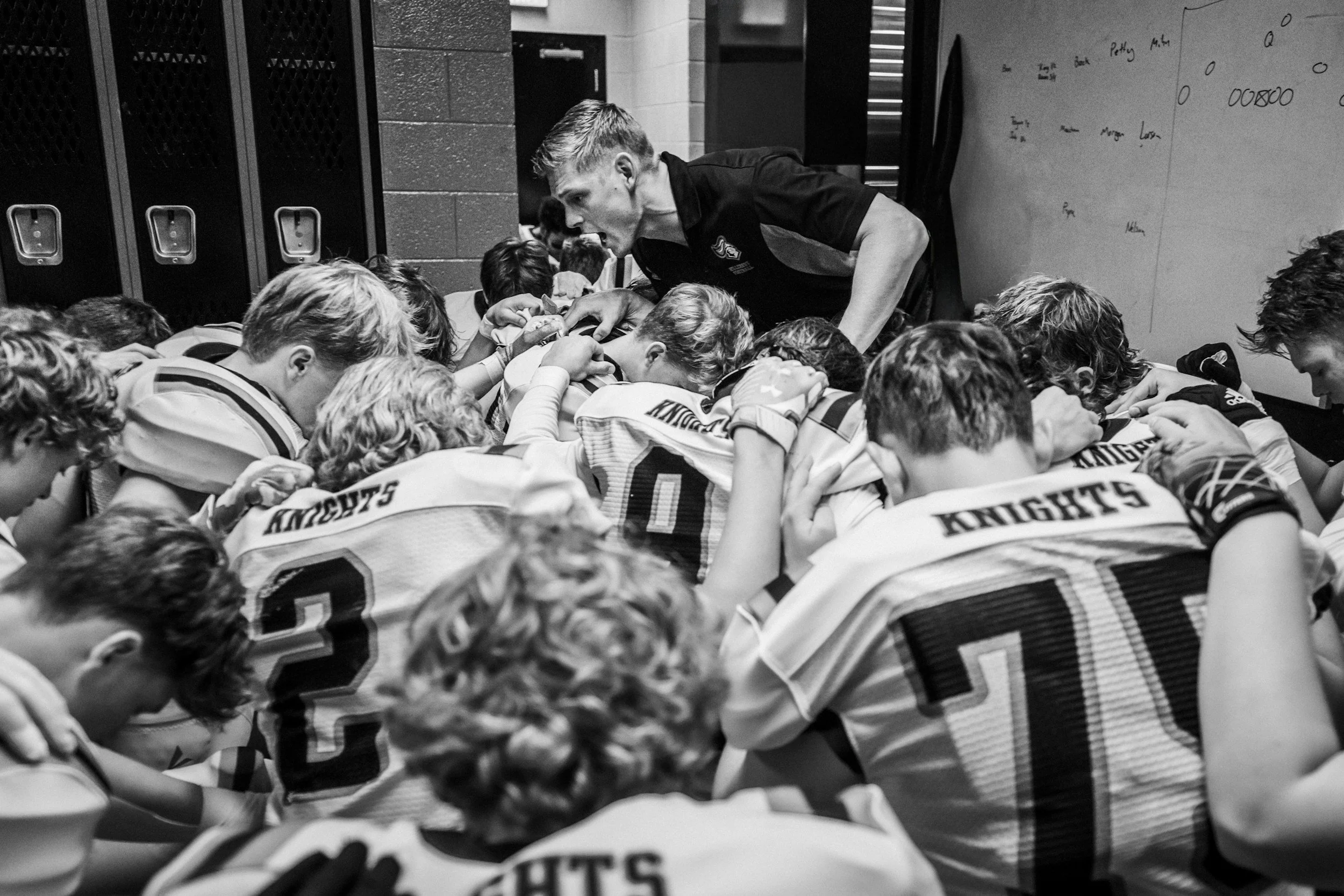
There is a moment in the locker room just before the game begins when the coach brings everyone in close. The noise outside has not stopped. The crowd is still loud. Expectations still hang in the air. But inside this circle, something settles. Coach does not introduce new ideas. There is no time for that. He takes everything the team has practiced all week and distills it down to what matters most.
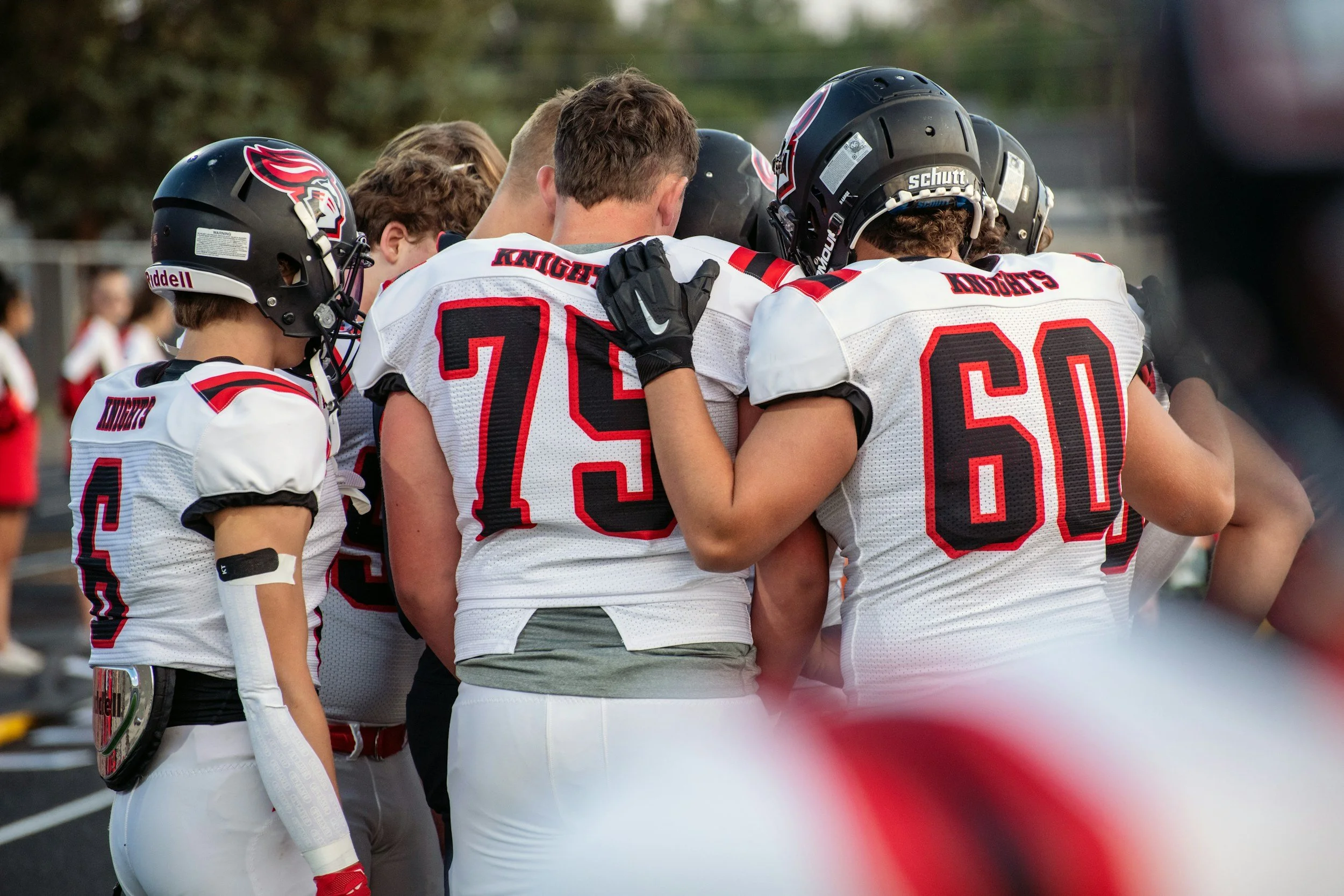
17.2 - The Huddle Where Time and Place Fall Quiet
What if Jesus’ prayer was not a sermon but a huddle. A quiet reflection on John 17 and shared presence.
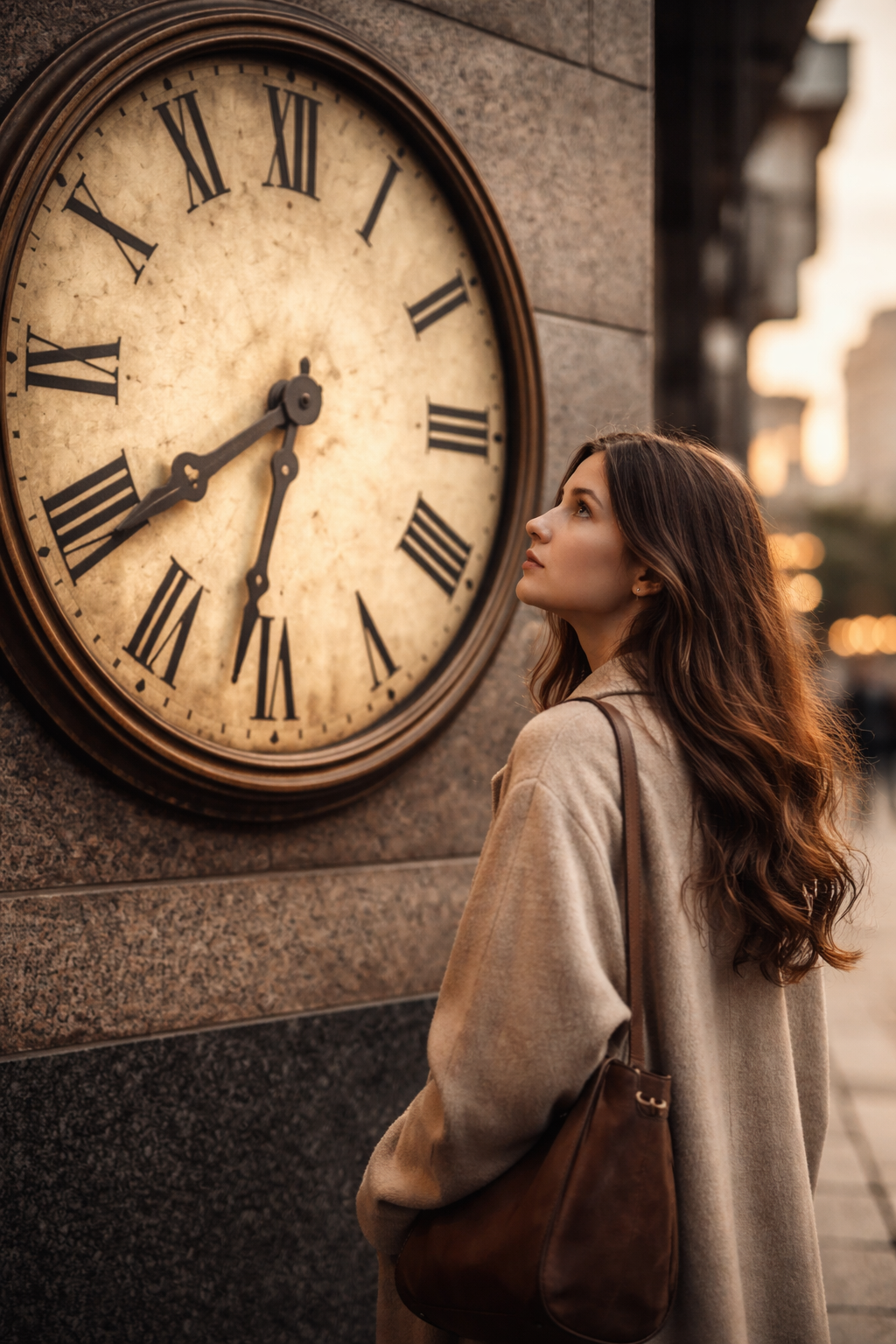
17.1 - When the Hour Comes
There are moments in life we keep walking past. Not because they are unimportant, but because we sense they might change more than we’re ready for.
Jesus’ prayer in John 17 is one of those moments.
It didn’t come during a sermon or a miracle. It came after everything had already been said. The walking stopped. The teaching quieted. The men were gathered close—not as students or servants, but as friends. And Jesus prayed aloud, close enough for them to hear what was being spoken on their behalf.
John remembers this moment decades later because he lived the rest of his life out of it. Not religion observed from a distance, but life experienced from the inside. What Jesus calls eternal life is not theory or belief alone, but a way of being—awake, aligned, and steady.
Before we try to make sense of this prayer, perhaps we’re meant to imagine it being spoken over us, the way it was spoken that night.