
18.2 — Into the Soldiers’ Light
Based on John 18:1-11
He Went Forth
At the hinge of the story are three words.
He went forth. (18:1)
Three words. Decision made.
The prayers have ended. The talking is over. Chapter 17 is full of sentences. Chapter 18 begins with footsteps.

He went forth.
And then they waited.
The Descent of Light
John tells us Judas arrived with a cohort of soldiers, along with officers from the chief priests and Pharisees, carrying lanterns and torches and weapons (18:3).
Lanterns.
Torches.
Weapons.
A Roman cohort could number in the hundreds. Even if it were fewer, it was not subtle. You do not move that many men down a hillside in the dark without sound.
At first, maybe only a flicker at the top of the ridge.
Then more lights.
Then movement.
Then the faint clank of metal. Sandals scraping stone. The rhythm of boots descending.
How long did it take them to come down from Jerusalem into the valley? Thirty minutes? An hour?
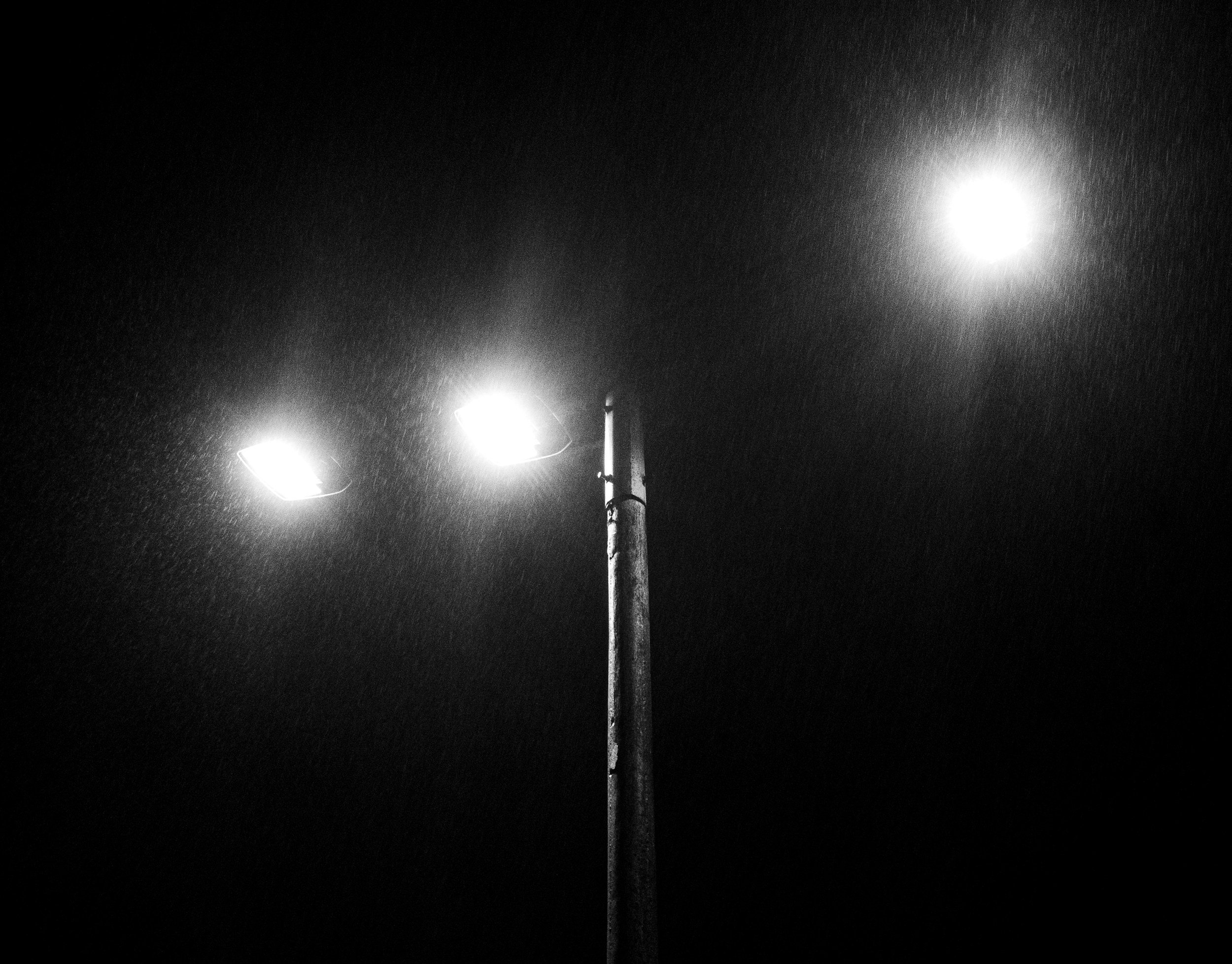
The light would have grown slowly. Not sudden. Not dramatic. Just steady. Inevitable.
The Eleven would have seen it coming.
I imagine them watching the lights, then looking at Jesus.
If you have anything left to say, now would be the time.
Jesus says nothing.
No strategy session. No whispered escape plan. No speech about destiny.
Just breath in the cool night air.
The torches grow brighter.
Here is where I must resist the easy explanation.
It is tempting to imagine Jesus as a man who already sees the ending, simply walking through a script. But John did not see a script. He saw his friend.
A man born of a woman. A human pulse. A nervous system responding to danger.
Did his heart beat faster as the lights approached?
Did he steady his breathing?
Did he feel the weight of what was about to happen?
“I Am He”
The torches finally reach the garden. Light spills across the trees. Faces appear. Steel glints. Breath clouds in the cool air.
Jesus calmly steps forward, his face now in the torchlight.
He does not wait to be named. He does not remain half-hidden in shadow. He moves into the circle of light as if he has been expecting it.
“Whom do you seek?”
The question is steady. Not sharp. Not trembling. Simply clear.
They answer, “Jesus of Nazareth.”
And he says, “I am he.” (18:5)
Three words. No disguise. No defense.
John says the soldiers drew back and fell to the ground (18:6). I do not see them blasted backward by invisible force. I see the tension break. Men stepping back. At ease. Taking a knee.
They prepared for resistance. But there is no fight.
Jesus asks again, “Whom do you seek?” (18:7)
Again, they answer, “Jesus of Nazareth.”
And again he says, “I am he.” (18:8)
Then the quiet offering:
“If you seek me, let these men go.” (18:8)
The light is harsh. The steel is real. The empire stands before him.
And yet the most powerful act in the garden is not a weapon drawn, but a life given.
I must learn to see him as John saw him. Not distant. Not untouchable. A man who allowed love to gather his fear into courage and stepped forward so that others might step back into safety.
He does not deny who he is.
He does not bargain for himself.
He uses his identification to shield the Eleven.
The Sound of Steel
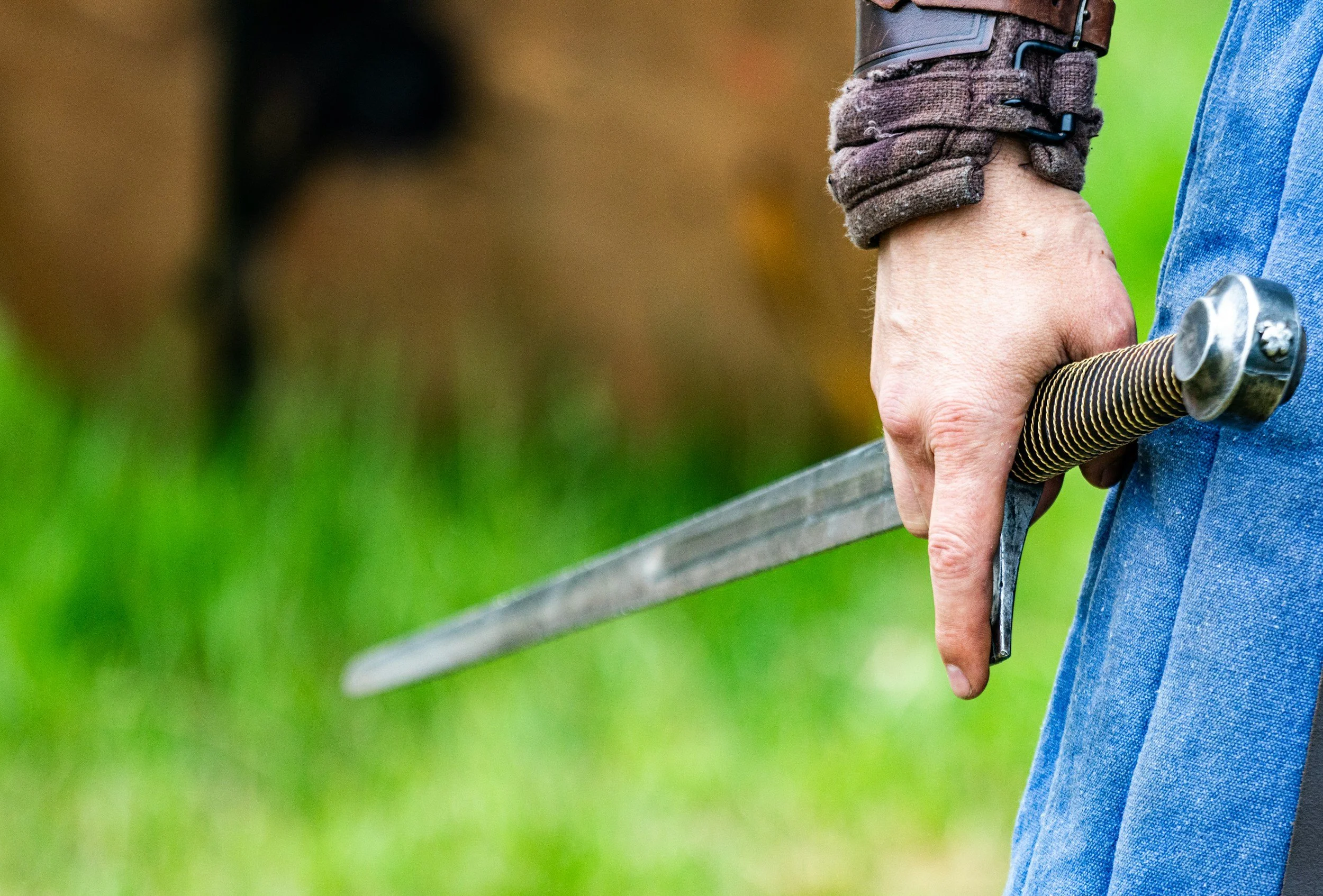
Peter cannot bear it and reaches for the sword (18:10).
It flashes in torchlight. Steel against flesh. A quick, desperate attempt to regain control.
Escalation is immediate. Instinctive. Almost righteous.
If they come with weapons, we answer with weapons.
Jesus tells him to put it away (18:11).
Not because he is powerless.
Because he has already chosen.
Escalation would have been easy. Chaos would have followed. More swords. More blood. Arrests for all eleven.
Instead, he absorbs the moment into himself.
“I am he. If you seek me, let these men go.”
Imperial steel stands ready.
Human courage stands still.
He chooses surrender over escalation.
The Question That Remains
That is the part I cannot ignore.
Not because I will ever face a cohort in a garden.
But because I will face smaller torchlight moments.
Moments when my pride is exposed.
Moments when I could defend myself.
Moments when I could raise my voice, send the sharper reply, press the advantage.
In those moments, escalation feels strong.
Surrender feels weak.
But in the garden, strength looked like restraint. Power looked like protection. Courage looked like stepping forward and letting someone else step back.
If I am honest, there is a ruler inside me that prefers the sword. It wants to win. It drafts the perfect reply before the accusation is finished. It wants to be right. It wants to survive at all costs.
And yet I cannot shake the image of one unarmed man standing in harsh light and saying, in effect, Take me.
So here is the question I must carry with me:
When the light turns toward me, will I reach for steel…
or will I step forward?
This is the glimpse I’ve been given, through John’s words and my own walk through loss and light.
