
17.2 - The Huddle Where Time and Place Fall Quiet
Based on John 17:1–13
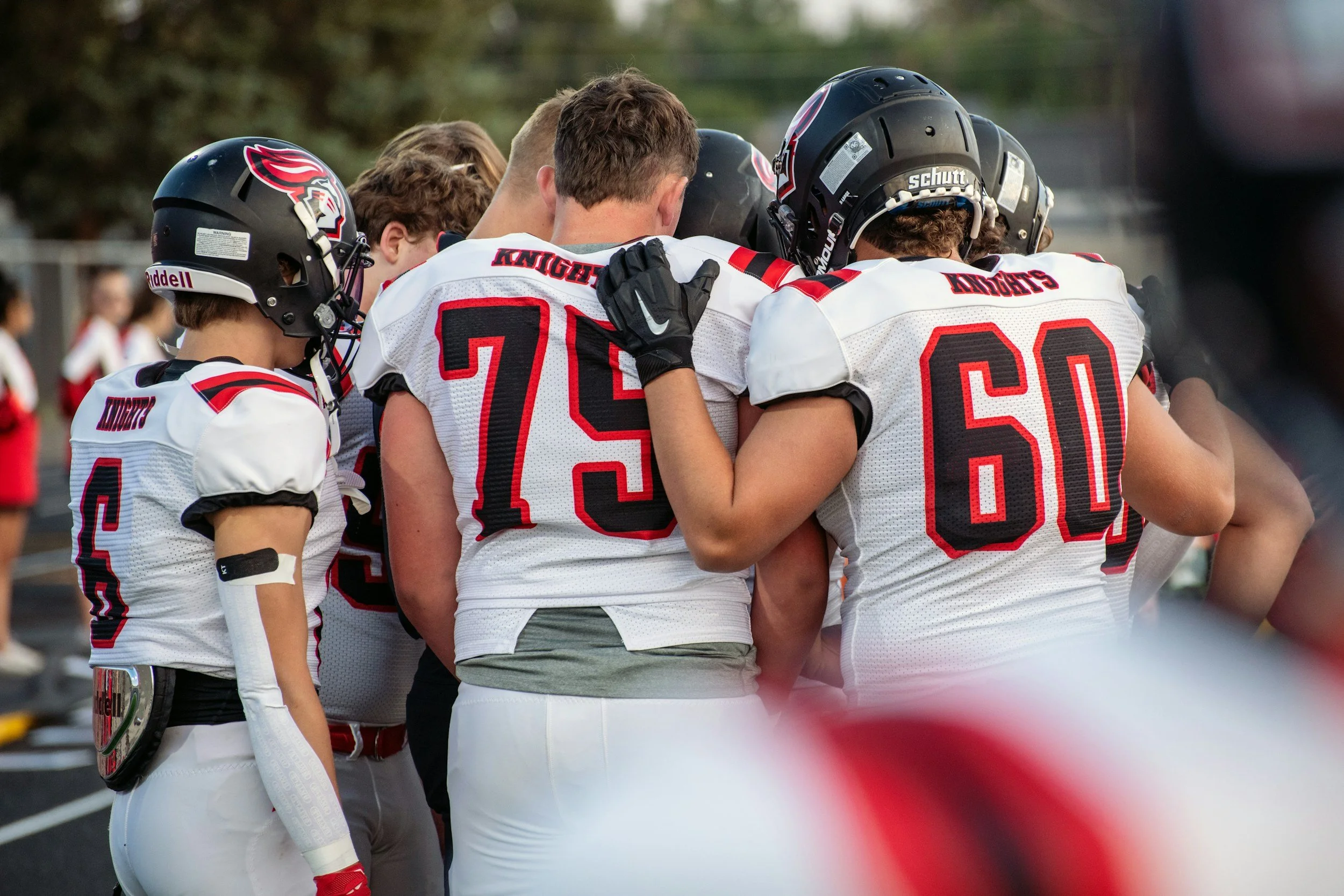
There are moments when everything grows quiet.
Not because the noise stops, but because attention gathers.
I remember one of those moments from high school football. Right before the first play. Helmets on. Shoulder pads brushing. Arms draped across one another’s shoulders.
“Listen up,” Dick, our quarterback, said.
I played right guard on the Brooks County Tigers. More than fifty years have passed, but I still remember that huddle. The talking had stopped. The time was now. We were not being coached anymore. We were being sent.
“Halfback counter right on two.” He almost whispered as he looked each of us in the eye before shouting, “Break!”
What has stayed with me all these years is not the play call. It is who stood in that huddle.
Town boys. County boys. Sons of a doctor and a hardware store owner. Sons of a supermarket manager and a corner store grocer. Sons of salesmen and farmers. Different homes. Different money. Different futures waiting for us when the season ended.
But in the huddle, none of that mattered.
For that moment, we were not individuals with separate stories. We were one team.
It is with that image that I return to Jesus’ prayer in John 17. Not for the first time, but for a slower listening. A second hearing. From inside the circle.
Because the scene surrounding Jesus that night looks very much like a huddle.
A Quiet Invitation
Before we go further, a simple invitation.
You do not need to agree with anything here. You do not need answers. You may want to read this slowly, or listen and return later. Let the images do their work. The huddle does not rush.
A Prayer Spoken Out Loud (17:1)

Jesus does not pray alone. He does not withdraw or speak from a distance.
I can imagine him standing in the circle of his team, lifting his voice above them (17:1). What he says unfolds among his followers in a moment thick with fear, confusion, and what no one yet knows how to say out loud.
This is not a private exchange between Jesus and God. It is a prayer meant to be overheard.
“This prayer is not a lecture. It is a huddle, spoken close enough to be overheard.”
And just look at who is standing there.
Fishermen shaped by long nights and uncertain income. A tax collector tied to Roman power and public resentment. A zealot formed in resistance to that same system. Others whose differences surface often enough to tell us this was no harmonious group.
These men would not have chosen one another.
And yet, it is over this group, unfinished, anxious, divided, that Jesus prays.
Before speaking of mission. Before speaking of suffering. Before speaking of protection or sending.
He speaks first of oneness.
Not sameness.
Not agreement.
Not religious alignment.
Oneness.
That order matters.
Where did you first learn that agreement had to come before belonging?
Belonging Before Understanding
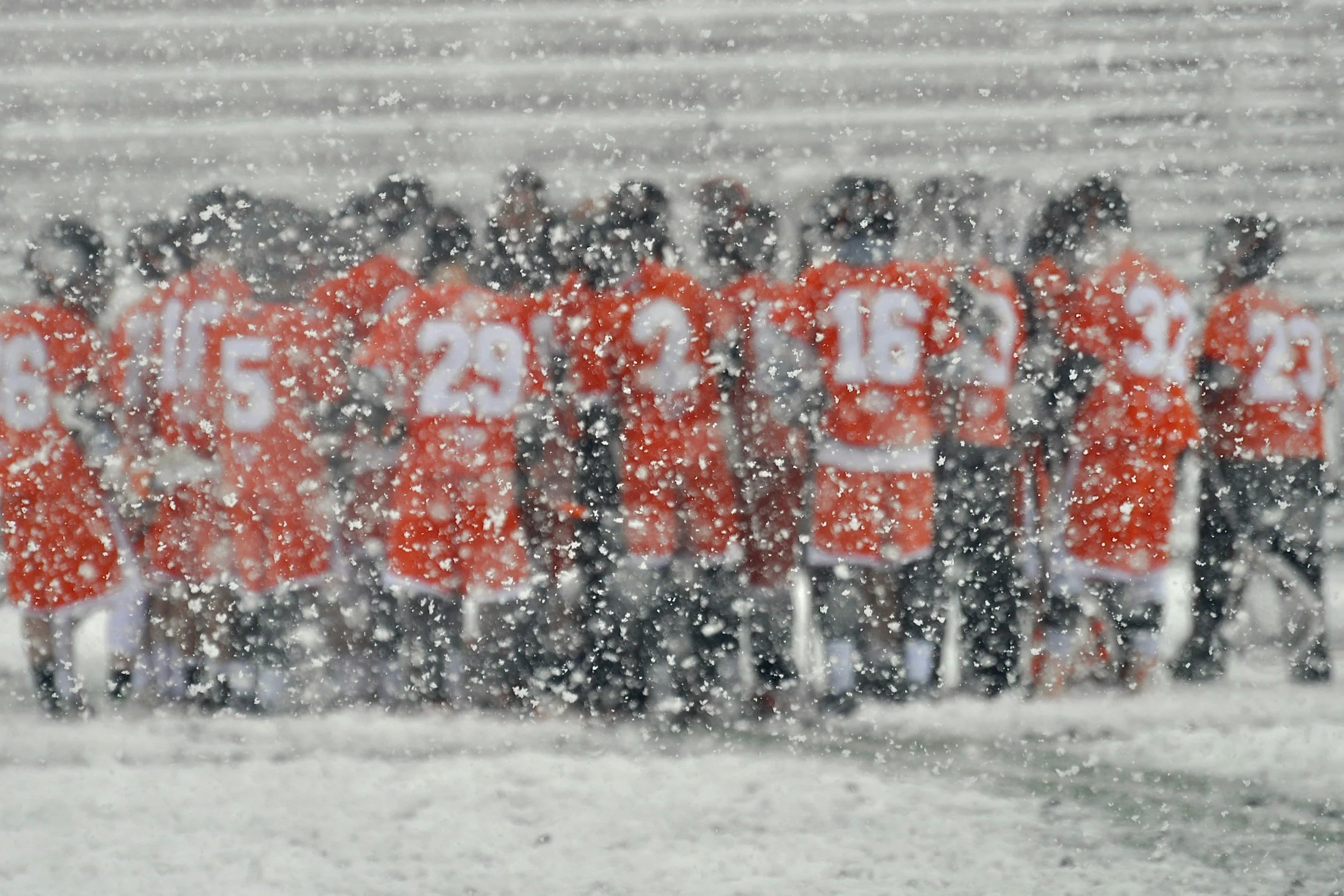
I have often approached John 17 as a theological statement to be analyzed. Ideas about glory, authority, eternal life, and protection. Those ideas are here. But this prayer is not delivered in a lecture hall. It is spoken in a huddle.
Bodies touch at the shoulders. Breath rises into the cold night air. And that changes how everything else sounds.
The oneness Jesus prays for is not a future achievement. It is not something his followers must earn by getting their beliefs right or cleaning up their behavior. It is spoken into being over people he knows will scatter before morning.
This quietly dismantles one of my most persistent assumptions, that agreement is the foundation of relationship.
In this prayer, it is not.
Acceptance comes first. Presence precedes understanding. The circle forms before consensus ever does.
Jesus does not say, Once they believe correctly, make them one. He prays, “Make them one,” and lets belief grow inside belonging.
Follow first. Believe later.
“Belonging comes before understanding. The circle forms before consensus ever does.”
A Different Way of Following
Here the contrast between discipleship and the rabbinic systems of the time begins to emerge, quietly but unmistakably.
Rabbinic circles formed around shared interpretation and rigor. Readiness was proven through knowledge. Inclusion followed achievement.
But Jesus flips the order.
He does not gather his followers because they understand. He gathers them so understanding can emerge. He does not unify them by belief. He holds them together long enough for trust to take root.
This is not a rejection of learning. It is a reordering.
“Drop your nets. Follow me.”
Relationship first. Meaning second. Transformation last.
The huddle comes before the play.
Who helped hold you together before you had language for what you believed?
“On Earth” (17:4)
As the prayer unfolds, Jesus speaks of completing his work “on earth” (17:4).
Faith had long been imagined vertically. Earth below. Heaven above. God beyond reach. Holiness behind curtains. Access mediated.
But Jesus speaks as if God’s intention has always been closeness.
Not escape.
Not elevation.
Presence.
He speaks as if heaven is not a reward or relocation, but a way of living aligned with the highest values here and now.
Two places collapse into one. Here.
What if faith is not about leaving this world behind, but learning how to inhabit it differently? What if prayer is not asking God to do things for us, but through us?
When Time Collapses (17:5)
Jesus speaks of glory from before the world began (17:5).
Time bends. Past, present, and future converge.

Eternal life is not postponed or promised later. It is not a destination. It is a way of being, now.
The past does not disqualify them. The future does not exclude them. Everything gathers into the present moment of shared presence.
This is eternity in John’s Gospel. Not endless duration, but depth. Not someday, but now.
What part of your life feels like it is still waiting for permission to belong now?
“Eternal life in John is not someday. It is depth. It is now.”
The Meeting Place
Jesus does something just as radical with place.
He lifts his eyes while standing in the circle. The prayer does not remove them from the world. It gathers the world into the circle.
Heaven and earth converge, not above the huddle, but within it.
Here is the meeting place. Not the temple. Not the future. Not a perfected version of ourselves.
Here. This circle. This huddle.
“They Were Yours, and You Gave Them to Me” (17:6–8)
Jesus speaks of his disciples as gifts.
Not projects.
Not possessions.
Gifts.
They belong first to the Creator. Jesus receives them, loves them, and prepares to release them.
What if the people in our lives, spouses, children, friends, coworkers, are not interruptions, but entrusted gifts?
We belong before we achieve. Life is a gift before it is a task. Love is never earned. It is received and passed along.
Kept, Not Removed (17:9–13)
Jesus does not ask for removal from the world. He asks that they be kept within it (17:11–12).
Kept steady.
Kept aligned.
Kept whole.
This is not protection from pain. It is coherence within it.
Here joy enters. Not happiness or ease, but complete joy (17:13). The joy that comes from living aligned with who we are and what we were made for.
This feels less like farewell and more like commencement.
Practice is over. The huddle breaks. The first play is about to begin.
What does being kept look like for you, not rescued, not fixed, but steadied?
Still Being Spoken
The huddle was not the game. It prepared us to enter it.
That is what this prayer feels like. A gathering before release. A naming before sending. A reminder of who we are just before life tests us.
John preserves this prayer so we can hear it. And maybe so we can imagine it still being spoken.
Over ordinary lives. Over imperfect people. Over us.
The noise fades. Time grows quiet. And the invitation remains.
You do not need to resolve your questions first. You do not need to fix your story. You do not need to know what comes next.
Read the prayer again.
It does not ask who is right. It does not ask who is worthy.
It gathers everyone close. And then it begins.
This is the glimpse I’ve been given, through John’s words and my own walk through loss and light.
What might it feel like to hear this prayer spoken over you?
Why Subscribe
If you subscribe, you are not signing up for answers, arguments, or religious pressure.
Subscribers receive these reflections first, along with the audio version. The tone stays quiet. There is no urgency and no agenda.
I write these as part of my own listening. Others are welcome to overhear, walk alongside, or keep company for a while.
