
18.3 — The Sword and the Ear
Based on John 18:4–11
By the time John wrote his gospel, he had had decades to reflect on his friend's life, and time had clarified what he could not see in the moment.
Now we step back into one of those moments at the beginning of chapter 18.
The Moment Unfolds
The night has already shifted.
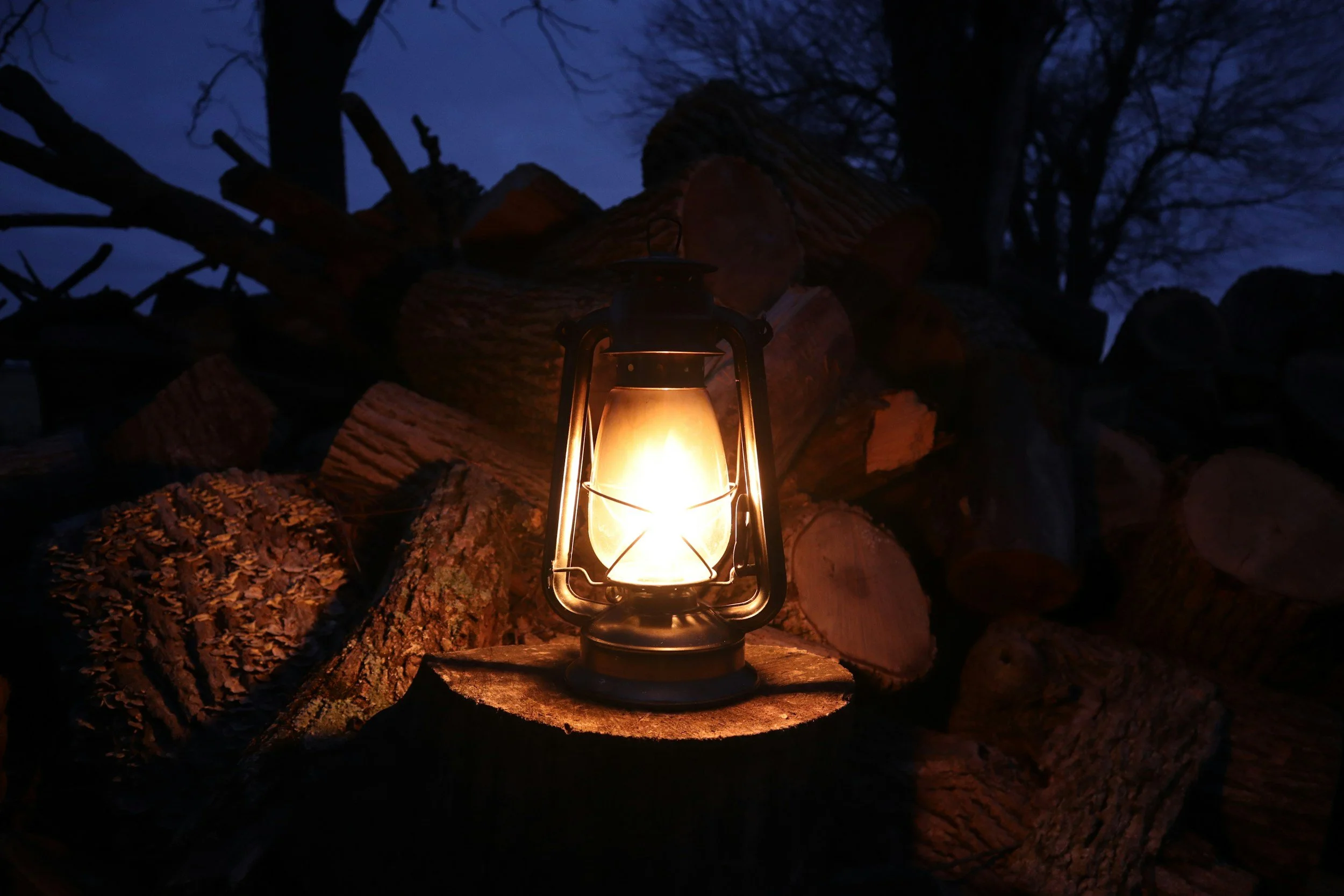
Lanterns have appeared on the hillside. Footsteps have moved down into the valley. The garden's quiet has given way to voices and movement.
Now the moment itself unfolds.
John remembers something that changes how we read everything that follows. It was as if Jesus knew everything that was about to happen to him (18:4). Nothing seemed accidental. Nothing surprised him.
Jesus stepped forward first.
“Whom do you seek?” he asked.
“Jesus of Nazareth,” they answered.
“I am.”
The exchange is brief. The decision is already made.
Then Jesus added something unexpected.
“If you seek me, let these men go.” (18:8)
Even now at the crossroads of life and death, he is concerned about the others.
Up to this point, the scene moves with a strange calm. Jesus speaks. Jesus directs the moment. Jesus stands at the center of it.
But someone else is about to act.
John tells the story with blunt honesty, exactly the way he remembers it.
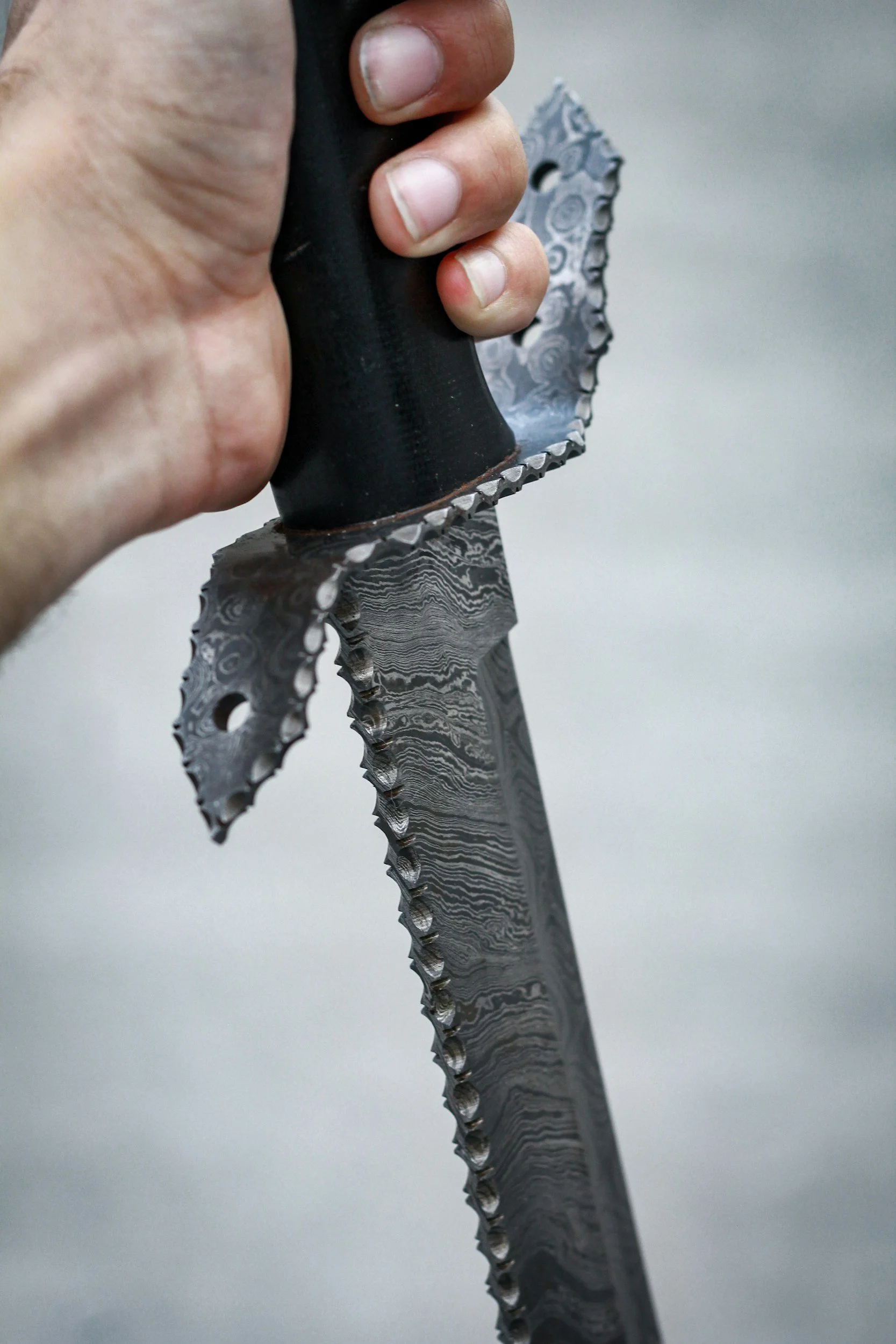
“Then Simon Peter, having a sword, drew it.” (18:10)
It is one of those details that stops me in my tracks.
Peter had a sword.
For three years, the disciples have followed a traveling teacher through Galilee and Judea, listening to sermons about forgiveness and mercy and watching Jesus heal strangers and eat with outcasts.
And yet Peter is carrying a sword.
Why Did Peter Have a Sword?
I had to step aside for a moment and consider that detail.
Travelers in the first century sometimes carried a short blade along the road. The countryside could be dangerous. A sword of this kind was not necessarily a military weapon. It could also function as protection during travel. It may have been the knife Peter had from his days as a fisherman.
But the deeper issue here may not be the weapon itself.
It may be the expectation behind it.
Many people at that time believed the long-awaited kingdom of God would arrive through confrontation. Rome ruled the land. The temple leadership guarded its authority carefully. Beneath the surface, there was tension everywhere.
Some followers of Jesus may have quietly wondered if the day would come when conflict would finally break open. Peter might have been carrying that thought with him.
The explanation may be simpler.
Peter loved Jesus.
And when the moment arrived, love moved faster than reflection.
The Sword Strikes
Back in the garden, events unfold quickly.
Peter draws the sword and swings.
Peter struck the servant of the high priest and cut off his right ear. The servant’s name was Malchus (18:10).
We could accept this violence at face value and move on, or dig a little deeper.
Let's dig.
There are two unnecessary details in this one sentence that catch my attention and must have had significance for John.
Which ear.
And the victim’s name.
The Right Ear
The right ear.

In the Hebrew scriptures, this ear had symbolic importance, especially in connection with the priesthood. When priests were consecrated for service, a ritual was performed in which blood was placed on the right ear, the right thumb, and the right foot.
The ear symbolized listening for the word of God.
The hand symbolized service.
The foot symbolized walking in God’s ways.
Jesus had many times said, “He who has ears to hear, let him hear.”
And now, suddenly, an ear is gone.
Whether John intended the symbolism or remembered the detail, the image carries weight.
The Name Malchus
Now the victim’s name.
The story could easily have ended with the phrase “the servant of the high priest.”
But John does something interesting.
He tells us the man’s name.
Malchus.
It is a small detail, but it sends me searching again.
The name comes from an ancient word meaning “king” or “ruler.”
The servant standing in the garden bore a name that meant ‘ruler’.
Perhaps John is simply naming the man.
Or perhaps he is letting the irony stand.
The rulers suddenly have no ear with which to hear.
Nevertheless, John does not pause to explain it.
He lets the detail stand inside the story.
Jesus Stops the Violence
A sword flashes, and an ear drops.
The once strange calm suddenly turns violent.
Peter probably believed he was doing what was right. From his point of view, it was obvious. His teacher was about to be taken by force. The authorities had arrived overnight. Loyalty prompted him to act.
Peter reacts as many people do when overwhelmed by the moment.
He tries to stop it.
Everything inside him says this must not happen.
So he reaches for the only tool he has.
The sword.
And then Jesus speaks.
“Put your sword into its sheath.” (18:11)
The command comes quickly.
Firm.
Direct.
The violence stops as suddenly as it began.
Then Jesus adds a sentence that reveals how he understands the moment unfolding around him.
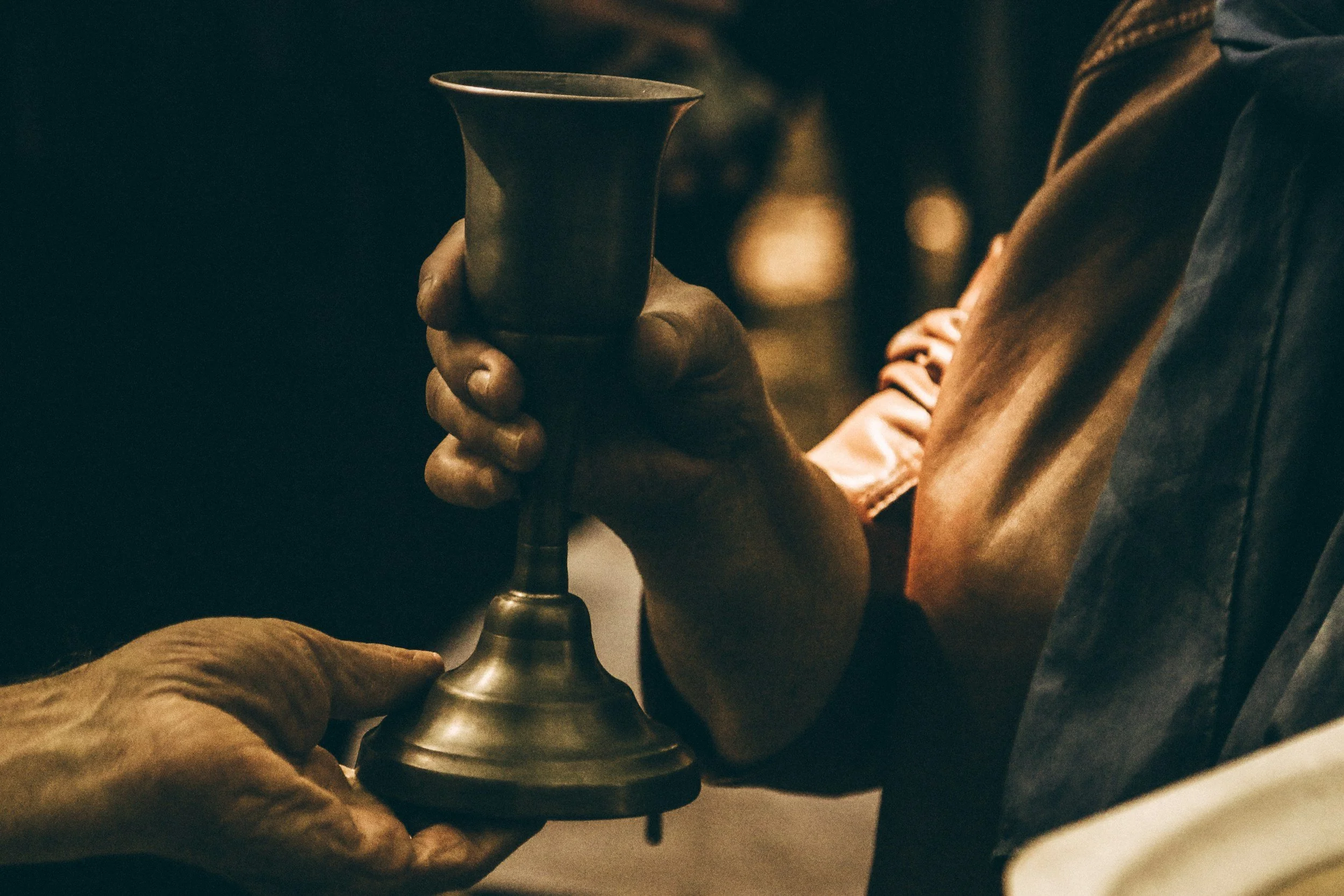
“Shall I not drink the cup the Father has given me?” (18:11)
The Cup
The language of the cup runs deep in the scriptures of Israel.
Sometimes the cup represents a blessing.
Sometimes sorrow.
Often, it simply represents the portion of life placed before a person.
Peter sees danger and reacts with force.
Jesus sees the path before him and accepts it.
Peter believes faithfulness means preventing the moment.
Jesus understands faithfulness differently.
For Peter, the sword feels like loyalty.
For Jesus, the sword is a misunderstanding.
And this may be the quiet turning point in the entire scene.
The kingdom Jesus has been describing for three years will not be defended with steel.
The kingdom he announced will not advance by cutting ears off.
The sword goes back into its sheath.
The moment settles again.
Swords and Listening
Standing beside the story, I find myself watching Peter closely.
It is easy to criticize him from a distance. But the truth is that his instinct feels very familiar.
When something we care about is threatened, the impulse to swing rises quickly.

Sometimes the sword takes the form of anger.
Sometimes an argument.
Sometimes, the determination to force a different outcome.
The shape changes, but the instinct remains the same.
Stop this.
Do not let this happen.
Peter believed he was protecting Jesus.
Yet in doing so, he damages the very thing the moment required most.
The ability to hear.
The irony is difficult to miss.
A sword swung in defense of Jesus ends up removing an ear.
Perhaps that image lingers because it reveals something about how conflict often works.
When swords appear, listening disappears.
When force rises, ears close.
The story in the garden quietly invites us to notice that contrast.
Peter chooses the sword.
Jesus restores the moment by refusing it.

One path cuts ears off.
The other keeps them open.
That may be where the story leaves us standing.
In the garden.
With a choice between swords and listening.
The sword moves quickly. It feels powerful. It promises control.
Listening moves more slowly. It requires patience. It leaves room for something we cannot yet see.
Peter reached for the sword that night.
Jesus asked him to put it away.
And the story continues from there.
Will our reflexes kick in as we grasp for control?
Or will we listen long enough to know which cup is ours to drink?
This is the glimpse I’ve been given, through John’s words and my own walk through loss and light.
