
17.3 — The Prayer That Holds Us
Based on John 17:13–23
Legacy Note
This post is written as part of a personal journey through the Gospel of John. It is offered first as my own search and lived experience. My grandchildren and those who come after are always in mind. Others are welcome to overhear, walk alongside, or simply sit with it if they choose.
Before the whistle blows
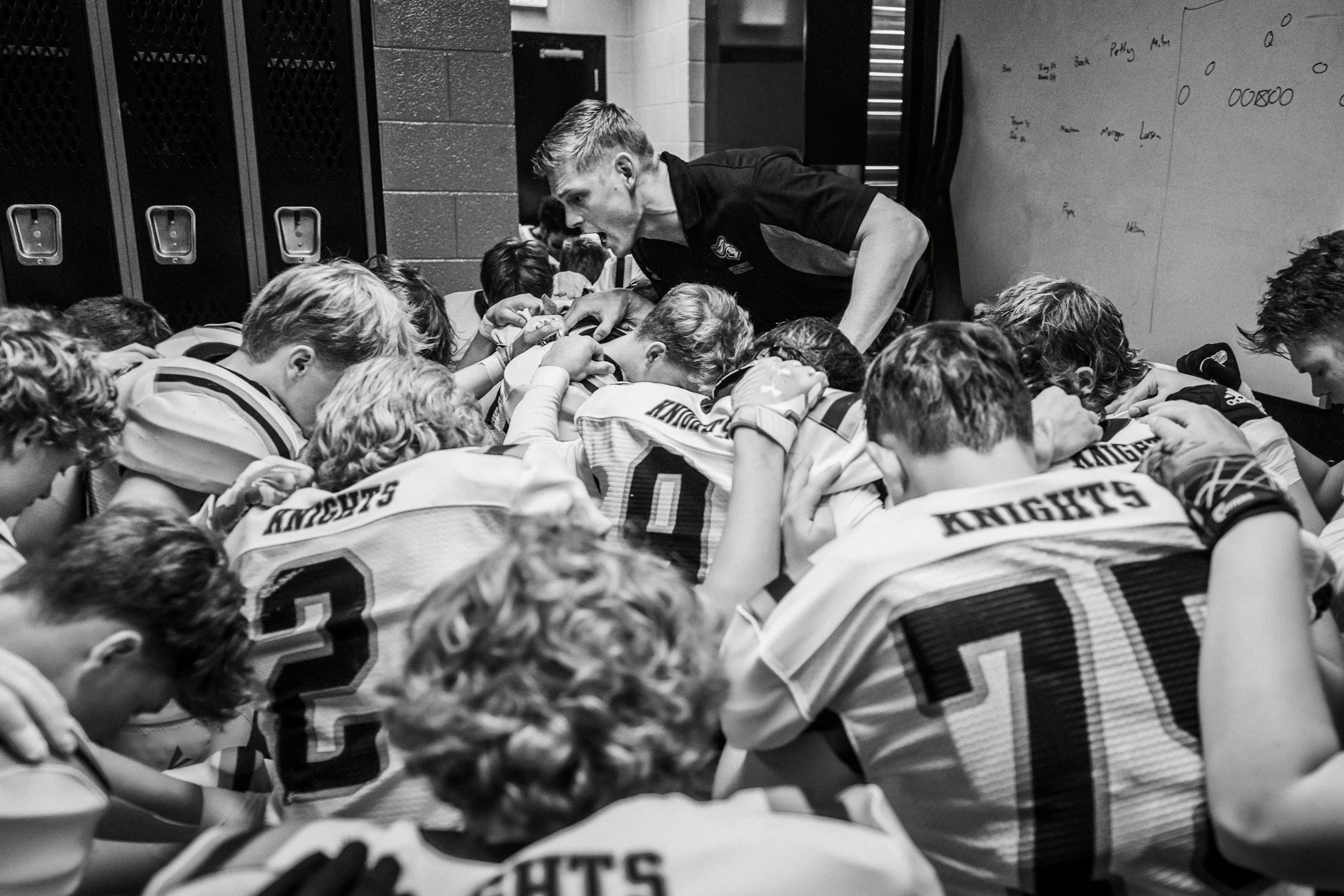
There is a moment in the locker room just before the game begins when the coach brings everyone in close. The noise outside has not stopped. The crowd is still loud. Expectations still hang in the air. But inside this circle, something settles. Coach does not introduce new ideas. There is no time for that. He takes everything the team has practiced all week and distills it down to what matters most.
It is the last time he will speak to them before the whistle blows.
Not because he doubts them. Because he knows what they are about to face, and he will not be there to intervene.
He is not a spectator. He has been in the drills. He has watched who shows up early and who stays late. He knows who is coachable and who resists it. He knows where each player is strong, and where each one is likely to be tested. What he wants for them is simple. When the game is over, he wants them to know they played from the center of who they are. Their growth fills him with great pride.
That is how I have begun to hear the second half of John 17.
What this prayer wants for us
John tells us Jesus says this prayer aloud, not for God’s sake, but for his team. “I say these things while I am still in the world,” Jesus says, “so that they may know the deep fulfillment that comes from living aligned with what is true” (17:13).
Not survival.
Not compliance.
But the deep satisfaction of a life lived whole.
What would a ‘life lived whole’ look like for you right now, not in theory but in practice?
By the time John writes these words, this idea is no longer abstract. It has become a lived conviction. The Creator desires human lives that work well - from the inside out.
“Not survival. Not compliance. But the deep satisfaction of a life lived whole.”
The cost of staying aligned
Jesus is not naive about what this kind of life costs. He has lived it and already warned them. Refusing to dance to the world’s tune invites resistance (17:14). What Jesus names here is not comfort and convenience. It’s deeper than that. It is the satisfaction that remains after the struggle has been faced.
Where have you felt the pull between staying aligned with what you know is true and choosing the easier peace of belonging and conforming?
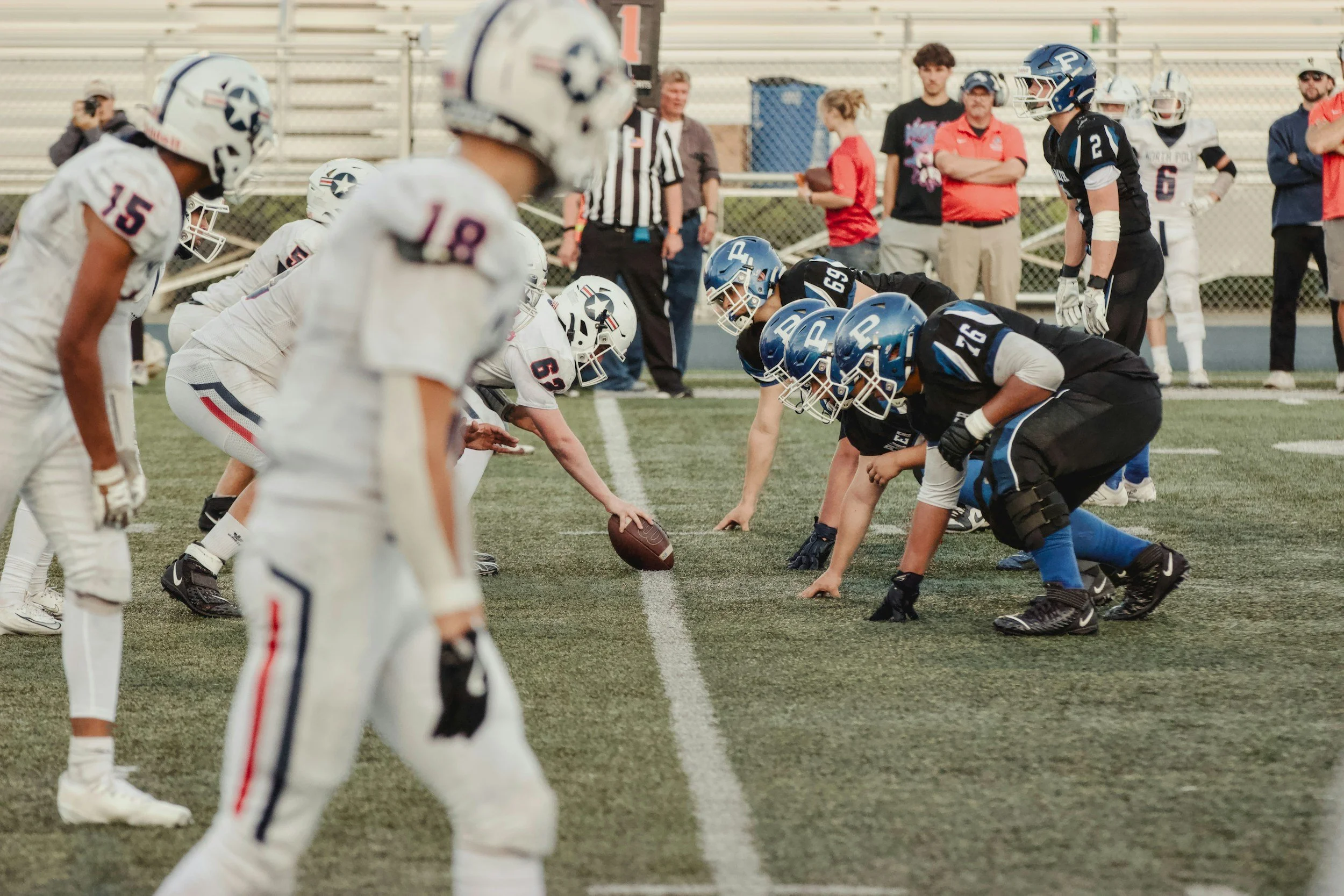
Jesus does not ask that his friends be taken out of the world, out of the game, and back on the bench. There's no growth in that. He asks that they remain in it without being consumed by it (17:15). Stay engaged. Stay present. Stay human. Even when certainty gives way.
That line matters more to me than it once did.
“What Jesus names here is not comfort. It is the satisfaction that remains after the struggle has been faced.”
When certainty gives way

There have been seasons when the loss of old certainty made my foundation rumble. The most recent came in the months following Millie’s death. During that time, two strong forces were at work in me. One was a deep need to understand, to make sense of what no longer fit the answers I had relied on. The other was a familiar desire to be liked, to remain connected to the people and communities that had shaped me. Questions I once carried lightly suddenly carried weight. Answers that had steadied me for years no longer seemed true. At times, it seemed easier to abandon this search for meaning altogether or to quietly go along with familiar, ineffective answers for the sake of peace. Belonging is a powerful force. Anything that threatens it can feel like a threat to the self.
When certainty has failed you, which impulse has been stronger, the need to understand or the need to be accepted?
When Jesus speaks of protection from the evil one (17:15), I no longer hear a mythological figure. No doubt, John remembers Jesus telling the story of his temptations in the wilderness. Knowing that story, I hear Jesus’ warning about anything that bends a person away from love of neighbor. Power can do that. Fear can do that. Control can do that. So can the quiet trade of integrity for acceptance.
Set apart without stepping away
“Sanctify them,” Jesus says (17:17).
For years, that word tripped me. It carried too much baggage and too many memories of separation, exclusion, and certainty I no longer trust. But Jesus is clear about what he means. He does not want his friends removed from life. He wants them in it, but living differently. Set apart not by withdrawal, but by visible difference. By decisions shaped by love. By continuing to love when love becomes costly.
In my own life, that difference has shown up quietly. Not in louder convictions, but in a deeper peace that makes room for disagreement. I do not like the increase in tension it brings. But I accept it. I no longer carry the need to change people in order to feel safe with them. I can leave them where they are, and remain present myself. We can accept each other without agreeing.
Pulled into the circle

Then John does something unexpected. He reaches forward and pulls us into the circle. Jesus prays not only for those in the room, but for those who will come to trust this way of living through them (17:20).
This prayer does not end in the past.
It stretches across time.
If this prayer reaches you here, what do you hear it asking of you, if anything at all?
Shared ground, not sameness
I have often overlooked what a great imagination Jesus has. He imagines a future community marked by coherence rather than conformity. “That they may all be one,” he says (17:21). Not identical. Not interchangeable. But grounded together at the level that matters most. Oneness here is not sameness. It is shared ground even beneath disagreement.
Jesus believes this way of living will speak for itself. Not because it persuades, but because it works. As people live from love and acceptance rather than fear and agreement, something changes. Relationships soften. Peace becomes personal rather than theoretical. A steady, rooted sense of satisfaction starts to emerge, one that cannot be solely attributed to circumstances.
This is not a belief as a declaration.
It is belief as participation.
“Oneness here is not sameness. It is shared ground beneath disagreement.”
What I hope you overhear
Whenever I hear this prayer now, I no longer feel pressured; instead, I feel supported.

If my grandchildren overhear this someday, or if someone weary or uncertain stumbles upon its quiet, I hope they do not hear demands or conditions. I wish they feel they were known and loved before they arrived. Their questions are welcome, and acceptance comes before belief. Ultimately, I want them to believe that a life filled with depth, strength, and hard-won fulfillment was always part of the plan.
This is the glimpse I’ve been given, through John’s words and my own walk through loss and light.
A gentle invitation
If something in this reflection stirred recognition, resistance, or quiet agreement, you are welcome to leave a thought in the comments. There is no right response here, only honest ones.
Subscribe
If you find yourself returning to these reflections, you might consider subscribing. I write slowly and thoughtfully, not to keep attention but to honor lived experience. Subscribing simply means new posts arrive when they are ready, without your having to search for them.
