

“Let’s Do It, Pa!”
*
“Let’s Do It, Pa!” *
My Personal Blog
Thanks for stopping by my personal blog page where you will find all of the blog segments that have been published.
Please note: they are in chronological order, with the latest one first and the first one (1.0) at the bottom or on a previous page. The numbers refer to the chapter of the source document from which my ideas arose.
20.1 - When Absence Is Not the Only Thing We See
In John 20:1–10, Mary Magdalene, Peter, and the beloved disciple all see the empty tomb, but they do not see it in the same way. Mary sees through the eyes of grief and alarm. Peter sees carefully, studying the evidence. The beloved disciple sees and believes, though he still does not fully understand.
This post explores those different ways of seeing, not as a ranking of faith, but as a deeply human journey. Sometimes we first see only absence. Sometimes we examine the facts. And sometimes, if grace is given, another kind of seeing begins to open.
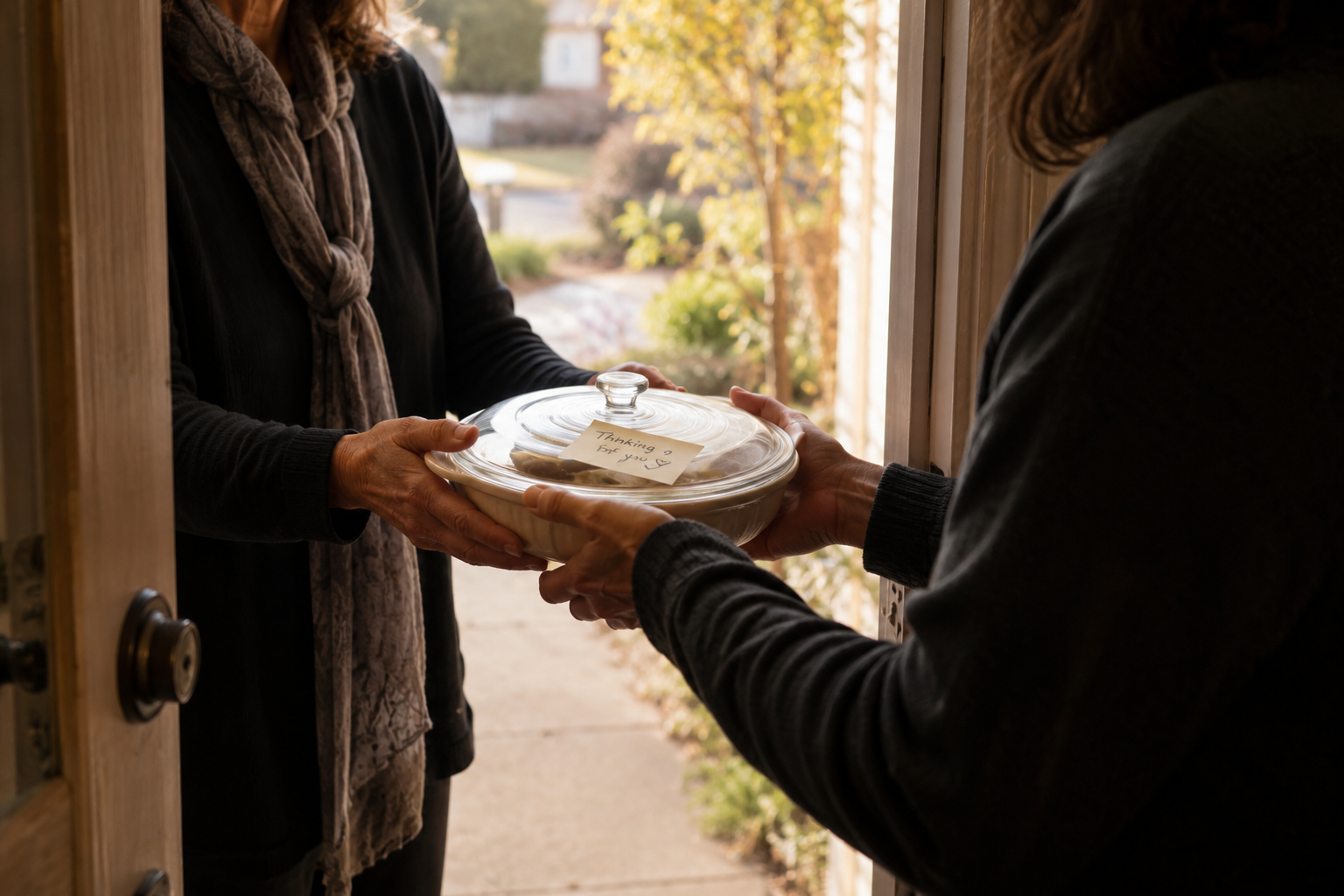
I reflect on this passage through my own experience of losing Millie. Her absence remains real. The facts remain real. But over time, I began to see love moving through the people who came toward our family in compassion. The deeper seeing did not erase the loss. It kept absence from having the only word.
19.2 — The Message in Motion
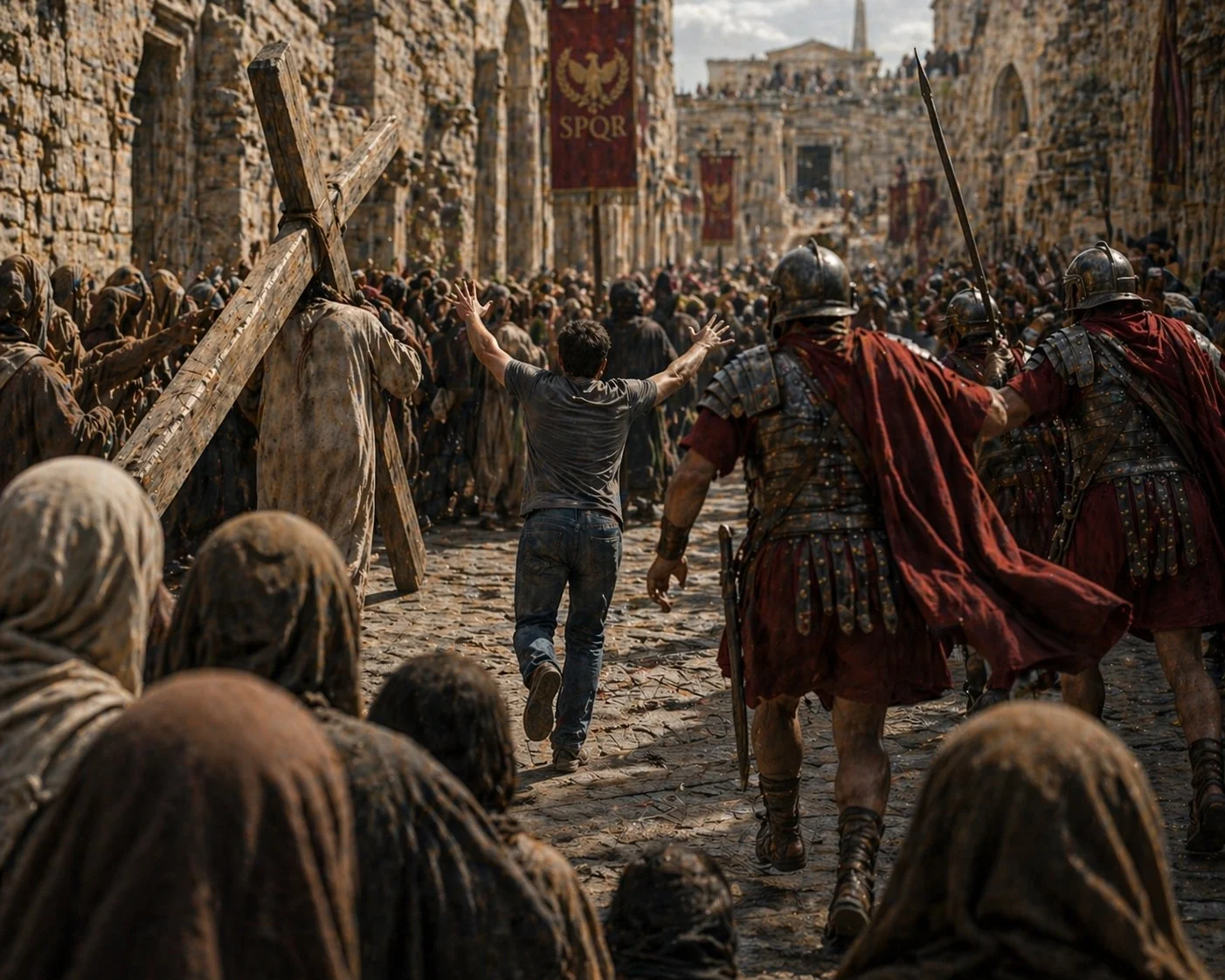
This moment moves quickly. Too quickly. One decision becomes final, and before anyone can respond, the machinery of power is already in motion. Soldiers act with practiced precision. A route is chosen, not for speed, but for visibility.
But within that message, something unexpected emerges.
Not resistance. Not control.
Presence.
What if the most powerful moment in the story is not found in control… but in acceptance?
18.5 — The Governor and the Question
The story moves quickly.
Too quickly.
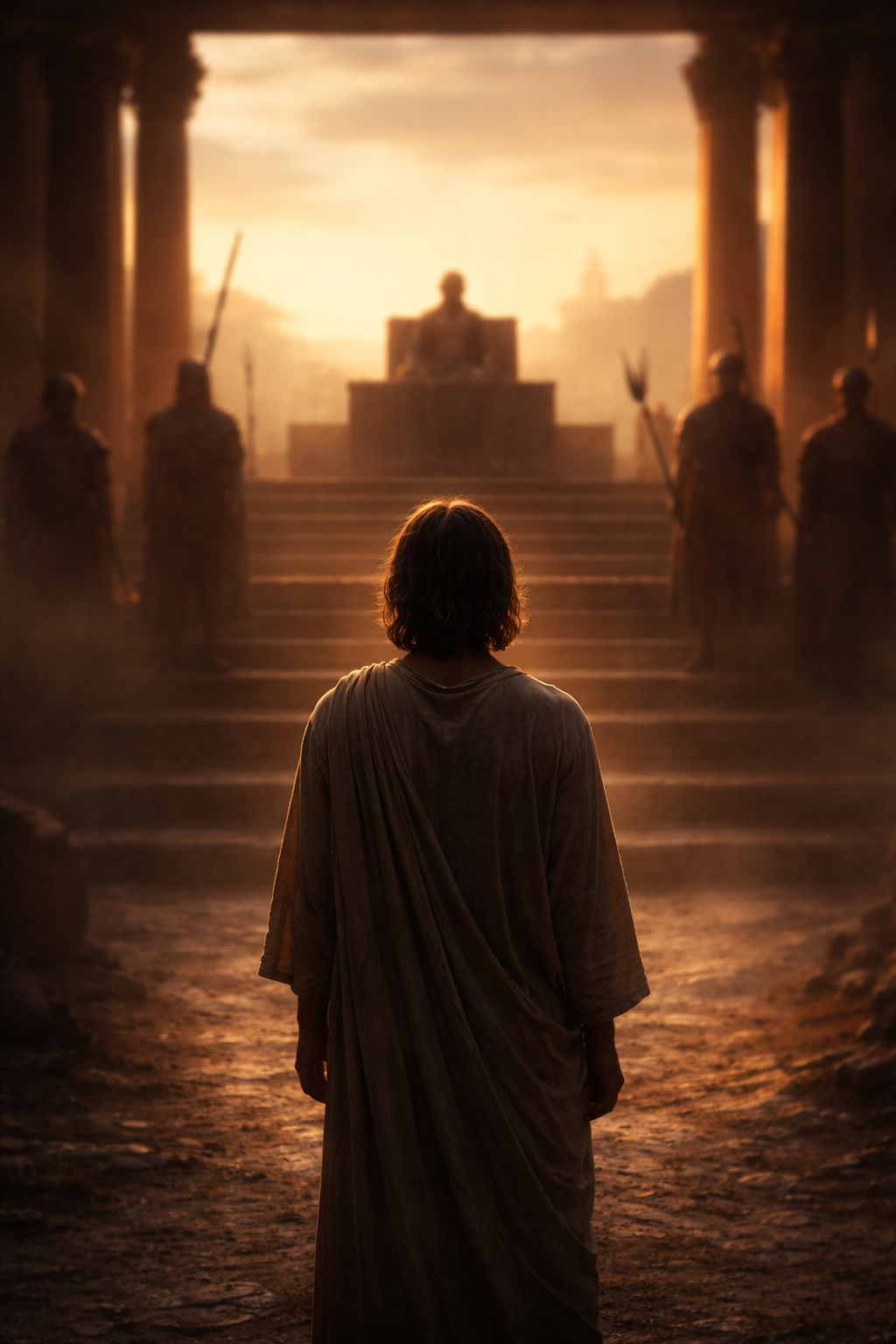
One moment we are in the courtyard, standing near the fire with Peter. The next, we are walking through the narrow streets of Jerusalem at first light, following a bound man toward the Praetorium.
And just like that, we are standing in a Roman courtyard, surrounded by pressure, politics, and urgency.
This is not just a trial.
It is a moment where decisions are made quickly, where language is reshaped, where truth is weighed against something else.
Pilate asks a question that has echoed for centuries.
But in that moment, it does not sound philosophical.
It sounds practical.
Necessary.
Immediate.
And somewhere inside the scene, another question begins to form. Not about them.
About us.

18.2 — Into the Soldiers’ Light
What if the most powerful act in the garden was not a miracle… but restraint?
John 18 shows us what real strength looks like.

18.1 — He Went Forth
After seventeen chapters of words, Jesus does something simple.
He walks.
“He went forth.” (John 18:1)
No thunder.
No spectacle.
Just a man choosing to move toward the valley.
Sometimes courage is not dramatic.
It’s simply taking the next faithful step when love requires it.
Have you had a Kidron moment?

17.1 - When the Hour Comes
There are moments in life we keep walking past. Not because they are unimportant, but because we sense they might change more than we’re ready for.
Jesus’ prayer in John 17 is one of those moments.
It didn’t come during a sermon or a miracle. It came after everything had already been said. The walking stopped. The teaching quieted. The men were gathered close—not as students or servants, but as friends. And Jesus prayed aloud, close enough for them to hear what was being spoken on their behalf.
John remembers this moment decades later because he lived the rest of his life out of it. Not religion observed from a distance, but life experienced from the inside. What Jesus calls eternal life is not theory or belief alone, but a way of being—awake, aligned, and steady.
Before we try to make sense of this prayer, perhaps we’re meant to imagine it being spoken over us, the way it was spoken that night.
16.5 — Faith That Stays
Faith often begins where certainty ends.
In John 16:23–33, Jesus prepares his closest friends for a moment when answers will no longer arrive on demand. What he offers instead is not clarity, but presence — not certainty, but friendship.
This reflection explores how belief matures through experience rather than explanation, and how John’s use of phileō — the love of friendship — signals a dramatic shift in identity from disciples to trusted companions. Faith, Jesus suggests, is not something to grasp or defend, but something to remain with when understanding falls silent.
Written as part of the John Project, this piece invites readers — religious or not — to consider faith not as agreement, but as staying.

14.1 - In Me and Through Me
The night before his death, Jesus told his disciples, “Let not your hearts be troubled.” They had every reason to fear. Yet he spoke of peace—not denial, but training of the heart.
In John 14, Jesus points to the slow work of trust, the faith that grows like a seed. Neuroscience calls it habit formation; scripture calls it transformation. Both describe the same process—living from a deeper stillness.
God, Jesus says, is not “up there” but “in us and through us,” waiting to be experienced. This reflection blends theology, psychology, and the rhythm of daily life, reminding us that peace is formed in the small choices that shape our character—and that the divine pulse has always been near.

13.2 - Two Roads Diverged: The Choice Between Survival and Surrender
In John 13, Judas and Jesus step onto two very different roads—one of survival, one of surrender. Judas followed instinct: rational, even noble-sounding at first glance. Jesus chose differently, not because he was immune to fear, but because he had practiced surrender in small ways for years. That training made obedience possible when everything was at stake.
Glory, Jesus says, comes when the hidden life within us breaks into the open—like a seed sprouting from the soil. Every choice we make plants something: seeds that grow into habits, habits that become character, character that decides which road we’ll walk when the hardest choices arrive.
Jesus gave his friends a compass: “Love one another.” Not a sentiment, but a strategy. Love is the road map for those who follow the way of surrender. The journey has no ETA, no finish line—only presence. Two roads still diverge before us. And the way we walk them becomes our life.

13.1 - Clarity, Courage, and Love in Action
In John 13, Jesus begins with clarity: “His hour had come.” He did not turn away. Courage is born not in denial, but in facing reality. When our family faced Millie’s terminal diagnosis, clarity—though devastating—brought courage. The mission was simple: make her smile.
What follows in John’s Gospel is a basin and towel. Jesus strips away garments, kneels, and washes feet. No words. Only clarity expressed as service. This was not performance humility—it was obedience to his inner compass. Strength first, then service.
Jesus dismantled rank without despising role. Master and servant, messenger and sender—all are equal. Our culture overwrites this code, but it can be reinstalled with daily training: silence, noticing, applying truth instead of norm.
Too often, we put Jesus on a pedestal to admire, not follow. But discipleship is not unreachable perfection. It is training—daily, incremental improvement in clarity, courage, and love.