
18.1 — He Went Forth
Based on John 18:1
The Corner You Don’t Expect
The first thing I remember was someone tapping me on the shoulder.
“Seatbelt, please,” the flight attendant said.

“Clunk,” the landing gear answered as we prepared to touch down. I had dozed off after a long day. It was dark, and I was tired. I shifted into autopilot. Disembark. Rental car. Hotel. Sleep. I had done this countless times before. Another city. Another arrival.
Early the next morning, I jogged through the downtown streets of the Mile High City. My legs loosened. My breathing settled into rhythm. I turned a corner and everything changed. I stopped. I gasped. For several minutes, I simply stared, mouth open, at my first view of the Rocky Mountains.
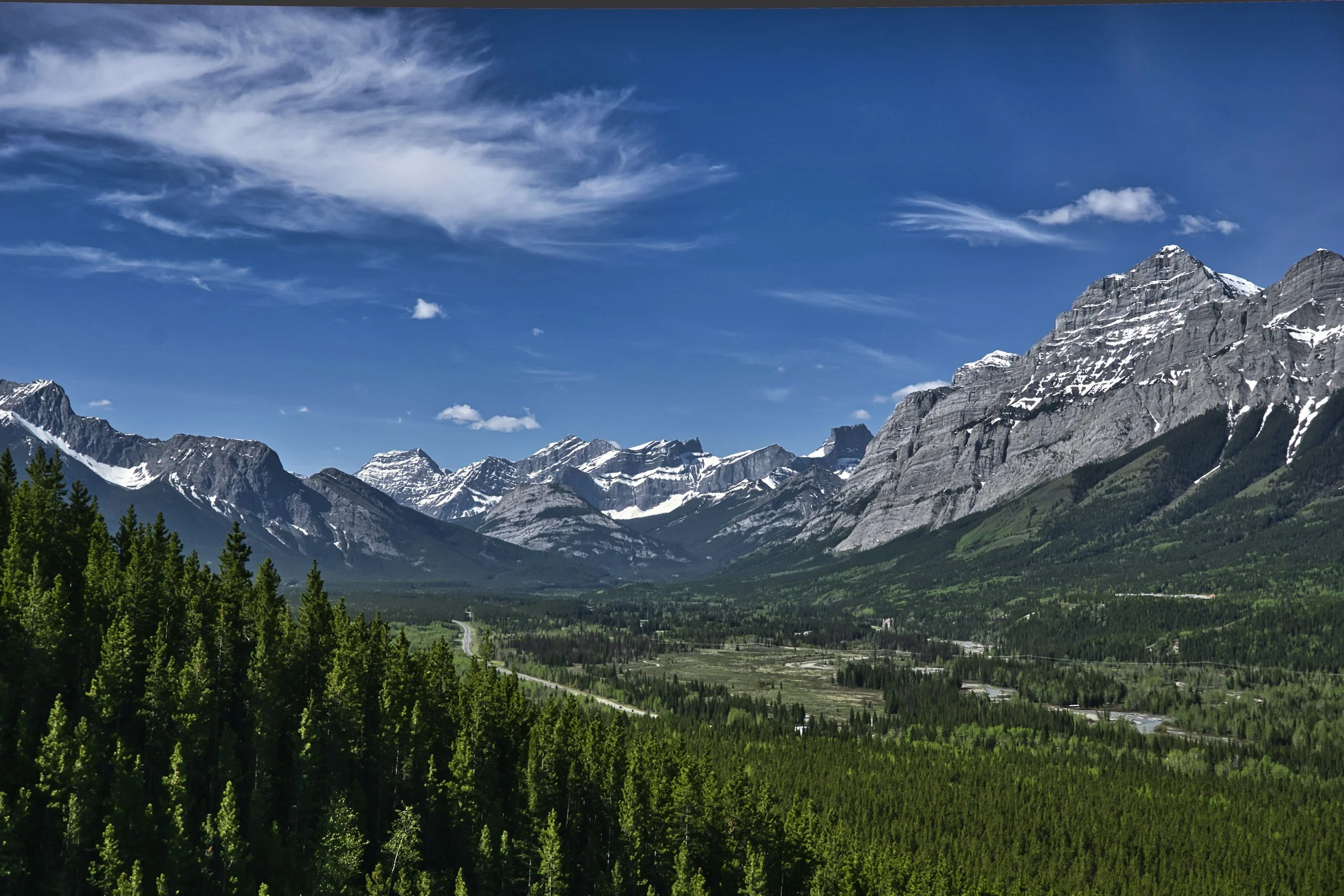
No one can explain it to you. You have to round the corner yourself.
I felt something similar this morning in John’s story when I rounded chapter 17 and stepped into the first verse of chapter 18. I thought I knew the terrain. I had read it before. But then I turned the corner. I stopped. I stared.
It is one of those sentences that quietly holds up everything that follows, a single line that shifts the scene and carries the weight of what is coming.
“When Jesus had spoken these words, he went forth with his disciples across the Kidron Valley…” (18:1)
I had to stop there.
He went forth.
From Talking to Walking
After all the talking. After the long prayer of chapter 17. After the promises of love and presence and not being left alone. The words settle into the night air, and then there is movement.
You can almost see the break in the scene. The long stretch of red letters gives way to narrative. It feels like a door closing softly behind them.
He went forth.
When John writes “with his disciples,” he feels close enough to touch, as if quietly reminding us, I was there.
So I close my eyes and try to inhabit the scene.
I hear the shuffle of sandals, the quiet gathering of things, the way men look at one another when something heavy is coming but no one quite says it. It is Jerusalem at night. The air is cool. The city lights are dimming.

Jesus steps first.
He did not have to.
That is what holds me. There were other options. He could have lingered in the city. He could have taken another road. He could have postponed what was coming under the respectable banner of more teaching, more healing, more ministry.
He could have delayed the collision.
Instead, he walks toward the valley.
Why this way? Jesus knows where he is going. He has been there before. The disciples know where he is going. They have been there with him. Judas also knows where they are going. He has been there with them.
John names the geography carefully. The Kidron Valley. The Mount of Olives. It is not just scenery. If you know the older story, you feel the echo. A thousand years earlier, King David crossed this same valley barefoot and weeping, betrayed by his son Absalom. David ran from danger to preserve his kingdom.
Jesus walks into danger, prepared to surrender his own.
One man clinging to a crown. The other walking without one.
A Man Choosing to Move
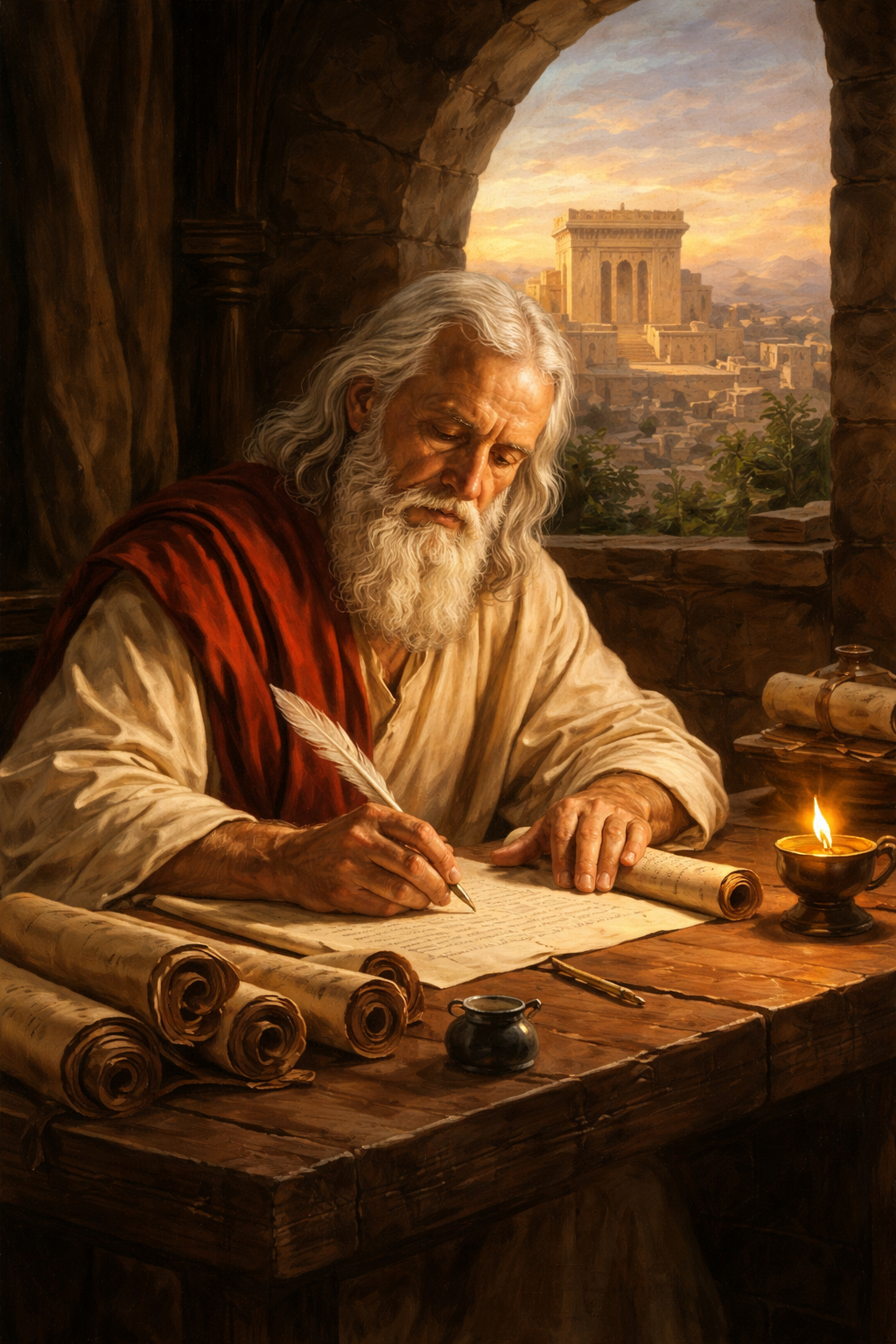
I imagine John writing this decades later. Older now. Fifty years have passed since it happened, yet his memory remains clear. He remembers how it felt. That night was a change in rhythm. The talking had ended. The walking began.
“He went forth.”
In the original language, those three words are one word. Action and direction fused together. Not drifting. Not being pushed. A man choosing to move.
To feel the gravity of this moment, I try to strip away the religion and see Jesus as John saw him. A friend. A man who ate with them, laughed with them, grew tired with them. A carpenter from Nazareth with calloused hands and a human pulse walking toward armed men in the dark.
Back inside the story, when the soldiers appear with torches and weapons, we see Jesus step forward again and ask whom they seek (18:4). He does not wait to be seized. He moves toward them.
There is no thunder. No spectacle. No speech about destiny. Just a man who sees what is coming and walks toward it.
Standing here in this verse, I do not see sudden heroism. I see the culmination of years. Early mornings alone. Long walks. Quiet withdrawals from crowds. Choosing to pass through Samaria rather than around it. Speaking truth in the temple when silence would have been safer.
This step feels like the natural next movement of a life that has been examined and lived attentively.
Socrates once chose death rather than exile and said the unexamined life is not worth living. That decision did not appear in a flash of drama. It rested on years of reflection and smaller acts of integrity.
When I look at Jesus in this valley, I see something similar. Not impulse. Not bravado. A long obedience that leads to a clear step.
Courage is rarely a lightning strike. More often, it is built in ordinary days. When the larger moment comes, it feels less like a leap and more like the next faithful step.
A Word to My Grandchildren
I sometimes think about my grandchildren and the way they will hear these stories.
I hope they do not rush past the ordinary days to get to the resurrection. I hope they linger over the way he walked, the way he treated people, the way he chose love when it cost him something.
I do not want them to miss the shape of his daily life. The small obediences that made the larger moment possible. Because that is the part they can practice.
There have been valleys in my own life. Not with soldiers and torches, but moments when life asks me to have conversations I would rather avoid, make decisions I would rather postpone, surrender my need to win, and release my desire to control.

When Millie died, whatever certainty I had shattered. I took one reluctant step toward God and began this blog.
I have not always taken the step. Sometimes I have avoided. Sometimes I have postponed. Sometimes I have renamed fear as common sense.
He went forth because love for the men behind him required it. John does not elaborate. He lets the valley carry the meaning.
I suspect we will all have our own Kidron moments. They will not look dramatic. They will look ordinary. An apology we need to offer. A truth we need to tell gently. A letting go that feels like loss in the moment but makes room for something truer.
When I round the corner and meet one of those moments, I hope I’ll stop long enough to feel the heaviness of the step. I hope I will stand quietly long enough to know what is steady and real inside me. And when the moment clarifies, walk. Not loudly. Not theatrically. Just faithfully.
He went forth.
No sermon. No thunder. Just a man choosing the path in front of him.
And somehow, that is enough.
If this reflection resonated with you, consider subscribing. Each week I walk slowly through John’s Gospel, exploring what it means to live an examined life shaped by courage and love. I would be honored to have you walk alongside.
Subscribe to receive each new post directly in your inbox.
