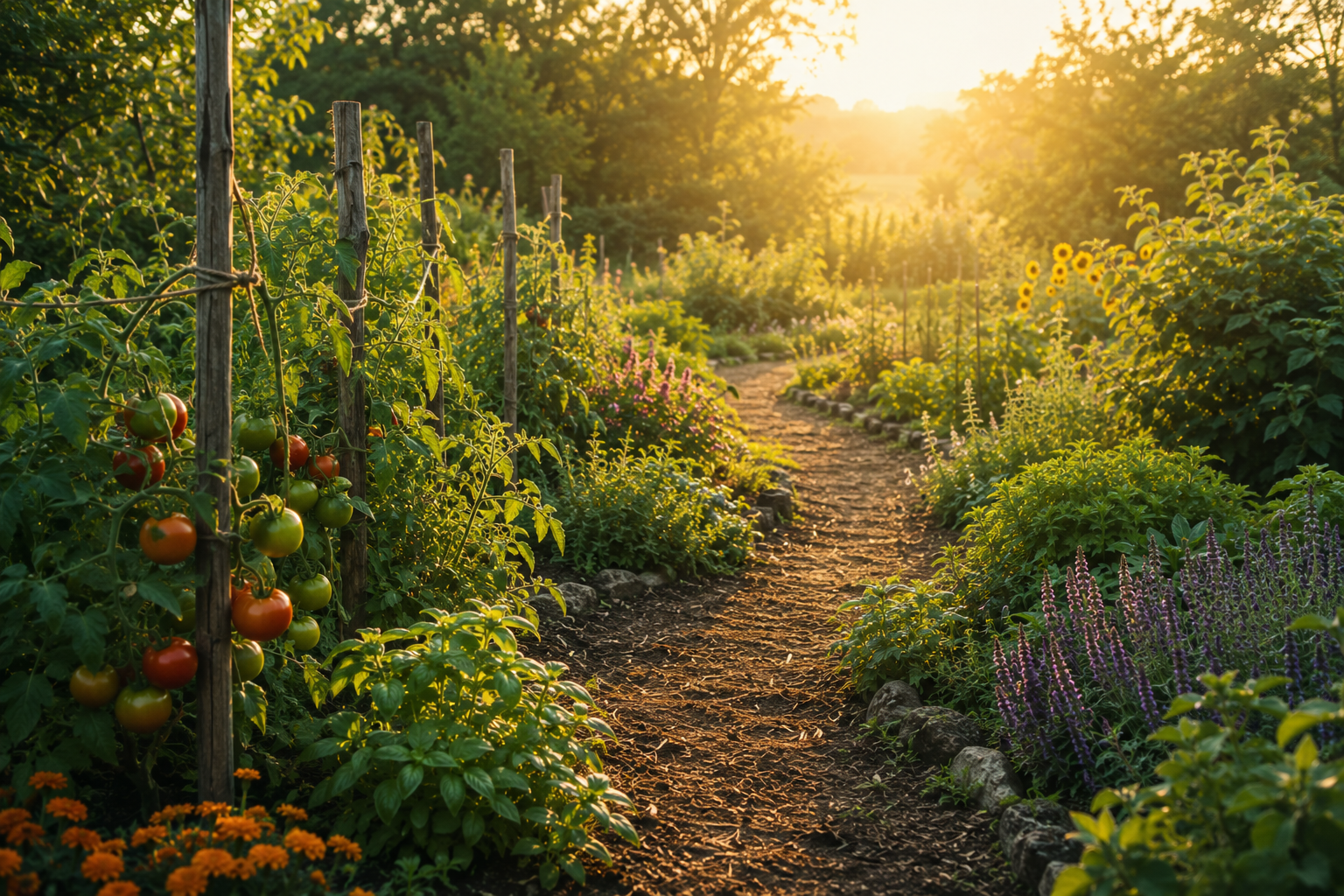
John 20.6 - The Vision That Changed Everything
What Happens Next?
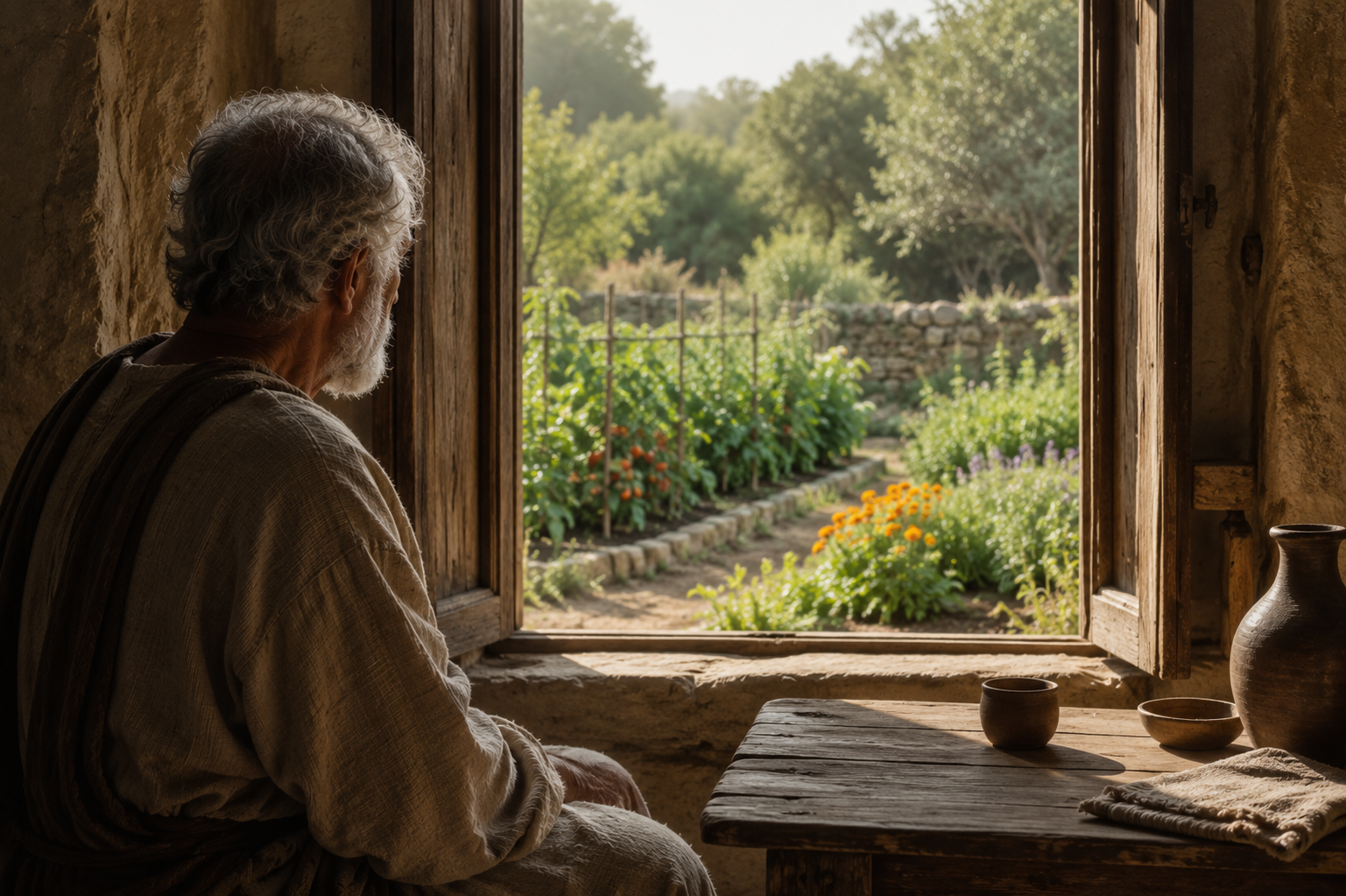
For several minutes, neither of us spoke.
I found myself replaying everything we had talked about. The empty tomb. Mary in the garden. “My Father and your Father.” John’s insistence that belief was only the beginning.
Finally, I broke the silence of my imagination.
“So . . . what happens next?”
John looked up but didn’t answer immediately. He seemed almost pleased by the question.
“Next?”
“If someone really begins to see that his Father is also their Father and trusts the Father the way Jesus did. If belief becomes trust . . .” I searched for the right words. “What changes?”
John smiled as he let the question drift for a while.
“You’re still hoping for something dramatic.”
“I suppose I am.”
“So were we.”
He leaned back in his chair, dropped the smile, and folded his hands.
“When we first followed Jesus, we expected the kingdom to arrive like a thunderstorm. We imagined everything changing at once. Rome would fall. Justice would finally prevail. The world would suddenly become what it was always meant to be.”
Then his smile returned, and he laughed quietly.
“Instead, we watched a man spend three years eating with strangers, touching lepers, blessing children, forgiving enemies, washing feet, and trusting his Father one ordinary day after another.”
I thought about that for a long moment.
“So the miracle wasn’t only the resurrection.”
“No,” John replied softly. “The resurrection revealed the life Jesus had been living all along.”
He let that settle between us.
“Before we ever saw him rise from the dead, we had watched him live.”
Then he looked directly at me as I let that thought echo. “Before we ever saw him rise from the dead, we had watched him live.” I wanted to remember that.
He then said, “We spent years asking ourselves, ‘Who is this man?’”
He paused.
“The better question turned out to be, ‘What kind of life grows in someone who trusts the Father this completely?’”
That question stayed with me. Perhaps that is John’s real invitation. Not simply to believe something happened. But to become the kind of people who slowly begin to live the way Jesus lived. Believing and trusting. Trusting and becoming.
The Tomato Was Never the Point
John closed his eyes and leaned back as though he were ready for a break. Meanwhile, I kept turning over the last sentence he had written in this chapter of his Gospel.
“. . . that by believing you may have life in his name.”
Life in his name . . . Life in his name.
I thought back to our conversation about the tomato seed.
“What is my tomato here?” I wondered.
Could it be that “life in his name” is the fruit? The deep, full life that Jesus himself lived?
Before I could think much further, John opened one eye.
“Well?”
“I think we’re still talking about the tomato.”
He smiled.
“I think we are.”
“So life in his name is the tomato.”
He shook his head gently.
“You’re fishing in the right pond. You just haven’t dropped your line deep enough.”
“What do you mean?”
“Don’t stop with the tomato. Ask yourself why you planted it.”
“Because I wanted tomatoes.”
“And why did you want tomatoes?”
I laughed.
“Because I enjoy eating them.”
His eyes brightened.
“There it is.”
“What? Joy?”
He nodded.
“OK, think about it and put what you’ve just seen in words. Read it back to me.”
I closed my eyes, trying to picture the garden.
“I believe enough to plant the seed.”
He nodded.
“I trust enough to water it . . . to weed it . . . to wait for it.”
“Why?”
“Because I believe there will be that taste, that joy.”
He smiled.
“So was it ever really just about the tomato?”
I sat there for a moment.
“No.”
“What was it about?”
“Not just the tomato, but the life that grows the tomato.”
His smile grew wider.
“Now you’re beginning to see.”
And with that, he drifted into silence again, as though remembering another garden, another season.
“He was the best at giving us a vision of life,” John said. “Not merely rules for living, but a vision of a life worth living into.”
He looked out the window and then back at the mural on the wall.
“He spoke about a kingdom, but not the kind we expected. He showed us a Father who accepted before he condemned, forgave before he kept score, loved before we thought we’d earned it. We found ourselves wanting that life.”
“You believed him.”
“Yes.”
“And then?”
“We kept walking.”
He chuckled.
A Vision Worth Living Into
“Sometimes he walked in front of us. Sometimes beside us. But he was always telling stories. He took the old stories we’d heard since childhood, and suddenly they made sense. Then he began telling new ones.”
“Like the father who welcomed home the son who had wasted everything?” I offered.
John’s face lit up.
“Exactly.”
“I’ve always loved that story.”
“So did we. But not because it was clever. We loved it because, for the first time, we could imagine a Father like that. We could almost see the joy in his eyes as he saw his son coming home. We could almost feel the joy of that celebration.”
He looked back at me.
“That’s what changed us.”
“The story?”
“The vision.”
I waited.
We Began to See God Differently
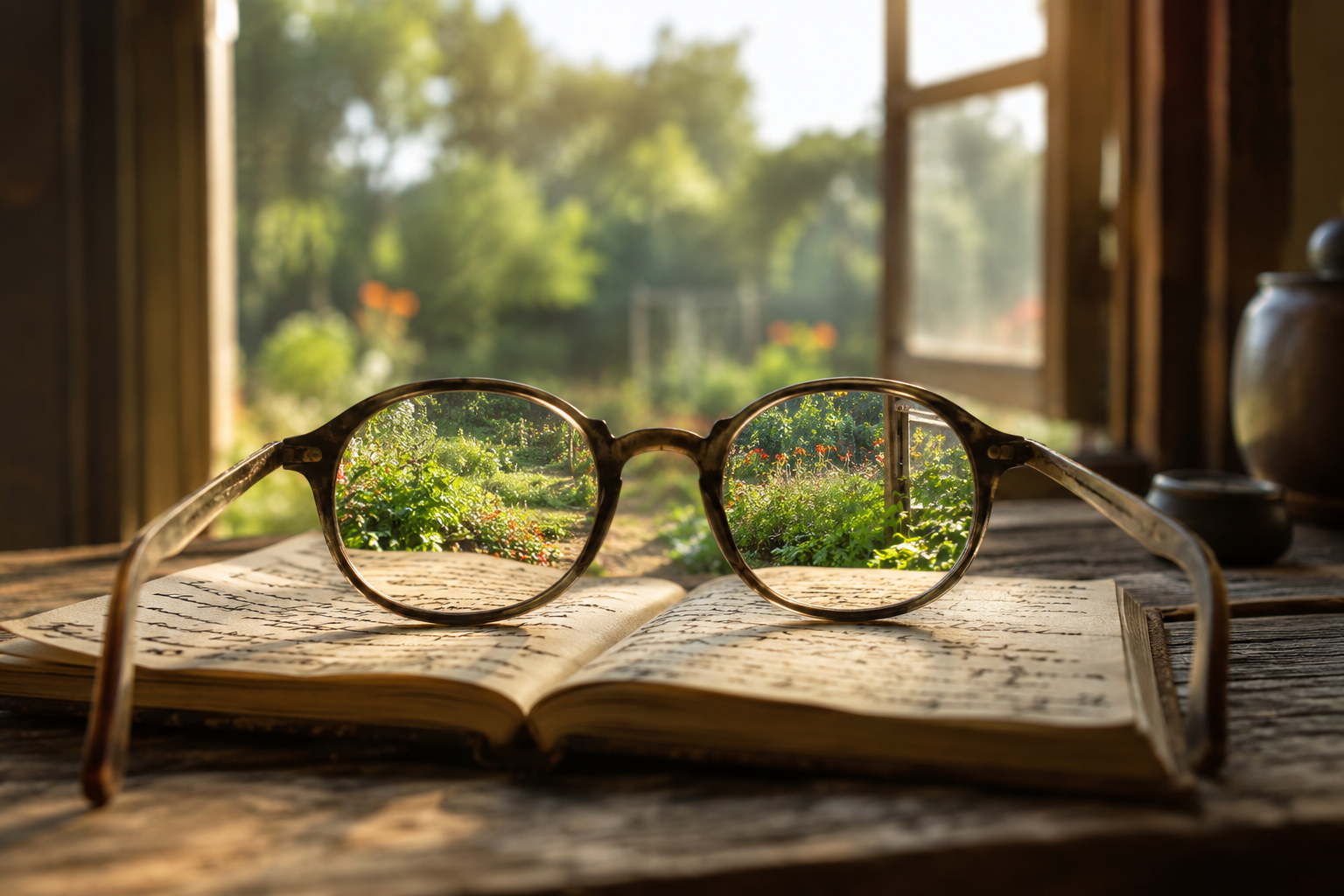
“We began to see life differently because we began to see God differently.”
Whoa! I held up one hand so he wouldn’t say anything else yet. I repeated the line to myself. “We began to see life differently because we began to see God differently.”
That sentence landed somewhere deep inside me. Perhaps that’s what vision really is. Not a dream for the future. A way of seeing reality itself.
Suddenly, fresh ideas started floating through my mind’s eye:
Whether we realize it or not, each of us carries a vision of what life is like. We spend our days living into that vision.
Some believe life is against them.
Others believe life must be conquered.
Some believe acceptance has to be earned.
Others spend years trying to prove they matter.
Jesus seemed to live inside an entirely different vision.
He saw a Father who was for him.
He trusted what he saw.
Then he lived as though it were true.
“That’s why we changed,” John added. “Not because we tried harder, but because we slowly began to see what he saw.”
He laughed again.
The Sons of Thunder
“Although we certainly gave him plenty to work with.”
“The Sons of Thunder?”
“The very ones.”
He smiled at the memory.
“James and I thought enthusiasm could solve almost anything. If a village rejected us, we wanted to call down fire from heaven.”
“I remember.”
“He corrected us more than once.”
“Weren’t you embarrassed?”
“Oh, we were humbled. But never humiliated.”
“There is a difference.”
“There is.”
“What made the difference?”
“He never made us feel like failures. He simply showed us a better way.”
John paused.
“He was never in a hurry.”
“Never?”
“Never.”
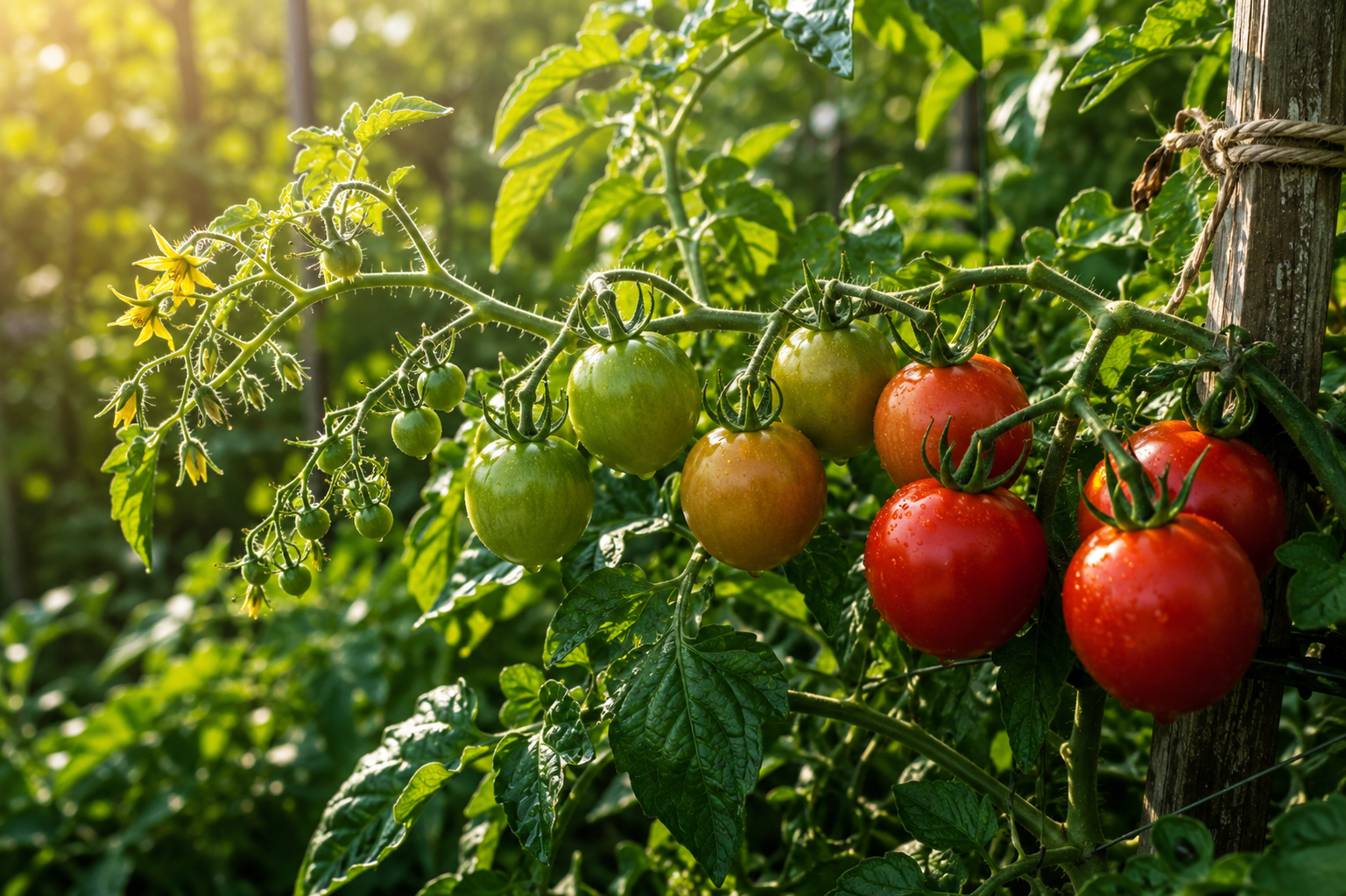
He looked toward my garden.
“Tomatoes don’t ripen because you stare at them.”
I laughed.
“Tomatoes ripen because life is quietly doing its work.”
“So does character.”
He let that thought linger before looking back at the wall and continuing.
“We watched him every day. We watched how he spoke to children, strangers, widows, fishermen, beggars, religious leaders, and enemies. We watched how he carried disappointment. We watched how he received praise without needing it and criticism without fearing it.”
“What were you really watching?”
“A life.”
He nodded slowly.
“A life that grew out of his relationship with the Father.”
He looked at me carefully.
“Not religion.”
“Relationship?”
“Participation.”
The word surprised me.
He saw it on my face.
“He lived in partnership with the Father. The Father’s life flowed through him, and over time we found ourselves wanting that same life.”
“Peter seemed to recognize it first.”
“He did,” I said. “I remember his words, ‘You are the Christ, the Son of the living God.’”
Learning to See Ourselves
John nodded. “It took me longer.”
“You struggled?”
“I struggled with the thought that God could be that inclusive. That he would choose a carpenter from Nazareth. Then fishermen. Then tax collectors. Then ordinary people like us.”
He smiled.
“And just when I began accepting that, Jesus said, ‘My Father and your Father.’”
He looked directly at me.
“Do you know what that meant to a son of Zebedee?”
I shook my head.
“It meant I had to learn to see myself differently.”
Silence settled over us.
“We believed he was who he said he was,” John said quietly. “Then, slowly, we began believing we were who he said we were.”
I wrote those words down before I forgot them.
He continued.
“That changed everything.”
“Everything?”
“The way we looked at ourselves. The way we looked at each other. The way we treated people. The decisions we made. The lives we built.”
“You changed the world.”
He smiled and shook his head.
“You’re looking backward.”
“What do you mean?”
“We weren’t trying to change the world.”
“What were you trying to do?”
“We were trying to learn how to live.”
He looked toward the garden again.
“We stayed together. We challenged one another. We learned to forgive. We learned to accept. We failed often. We began again. That’s how this new life grew.”
He smiled.
“That’s what trusting looked like.”
I leaned back. More thoughts were emerging. The pieces were beginning to come together.
Jesus saw the Father.
Jesus lived what he saw.
The Father’s character became visible in Jesus.
John saw Jesus.
John began living what he saw.
Slowly, almost imperceptibly, the Father’s character became visible in John.
Perhaps that was the invitation all along.
Not simply to admire Jesus.
Not merely to believe things about him.
But to stand where John stood.
To look where he looked.
To trust the One he trusted.
Then to discover, one ordinary decision at a time, what kind of life begins to grow.
What Is the Father Saying About You?
John stood carefully.
“One last thought.”
I waited.
“If you really want to understand my Gospel, don’t rush through it.”
He smiled.
“Look beyond the people and the events until you begin to see the Son.”
He paused.
“Then look through the Son until you begin to see the Father.”
Another pause.
“And once you’ve seen the Father . . .”
He pointed gently toward me.
“. . . ask yourself what the Father is saying through the Son about you.”
I repeated the question quietly.
“What is the Father saying through the Son about me?”
John rested a hand on my shoulder.
“Stay with that question.”
“For how long?”
“As long as it takes.”
“That sounds time-consuming.”
He winked.
“That’s why most people never get around to doing it.”
He turned toward the door.
“What about religion?” I asked.
He stopped.
“What about it?”
He smiled, patted my shoulder, and started walking away.
Then, without turning around, he spoke one last time.
“Most of life isn’t lived in dramatic moments.”
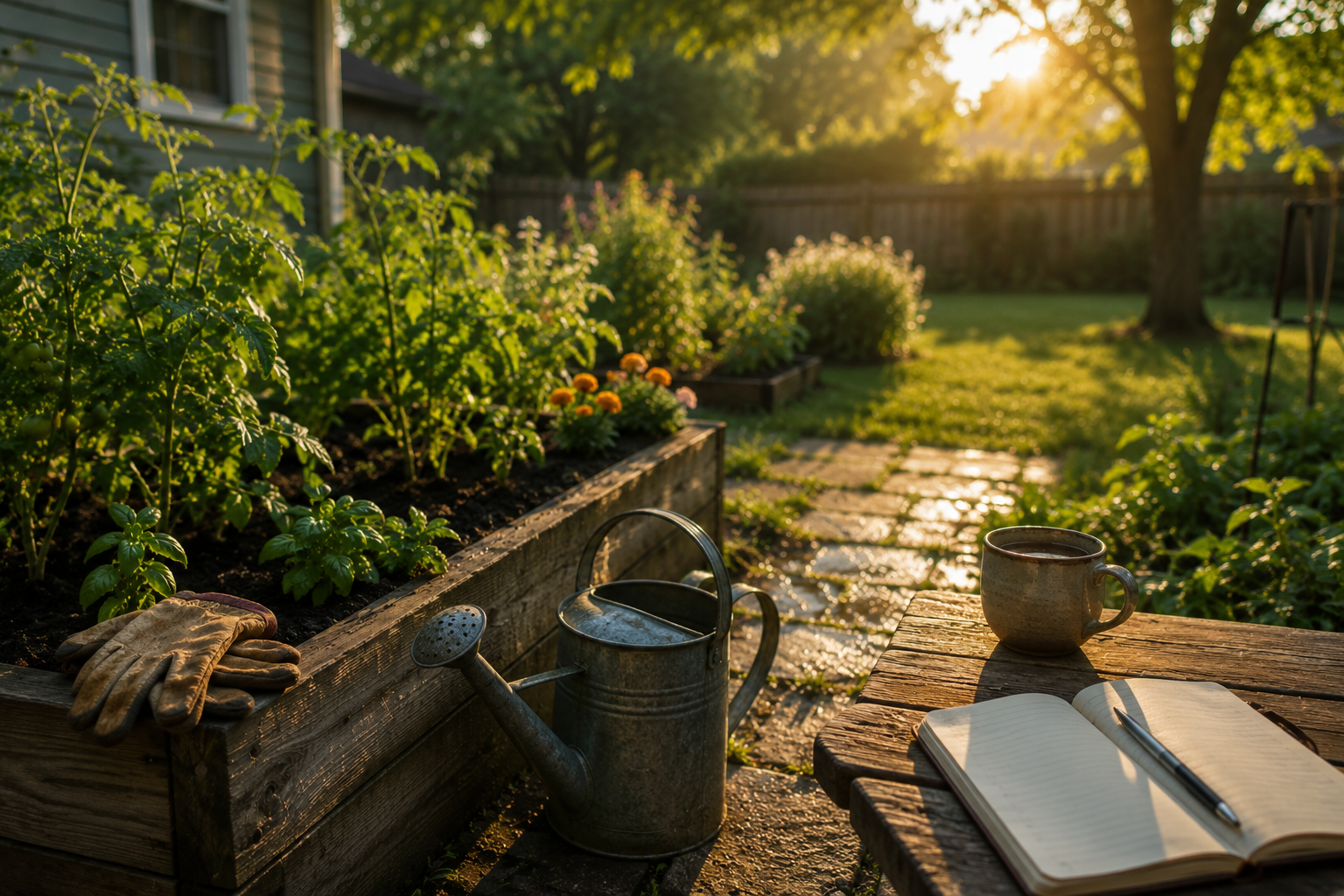
He looked toward the garden.
“It’s lived in the tending.”
To my grandchildren and their children . . .
If there’s one thing I hope you remember from these conversations with John, it’s this: don’t spend your life waiting for the next dramatic moment before deciding to live. Most of your life will be made up of ordinary Tuesdays. Those ordinary days are where your character is formed, your relationships are strengthened, and your deepest joys quietly take root.
Find something worth tending.
Tend your marriage. Tend your children. Tend your friendships. Tend your curiosity. Tend your health. Tend your work. Tend your faith. Tend a garden if you have one. Whatever you tend with patience, love, and integrity has a way of tending you in return.
Above all, keep looking at Jesus until you begin to see the Father he trusted. Then, little by little, learn to trust that Father for yourself. Don’t worry if it feels slow. Seeds rarely become fruit overnight. Life grows one faithful decision at a time.
And whenever you’re unsure what to do next, remember the advice an old fisherman once gave me:
Go tend something.