
19.1 - The Man Between Worlds
Click here to Subscribe and receive a new copy in your inbox when available.
Based on John 19:1–16
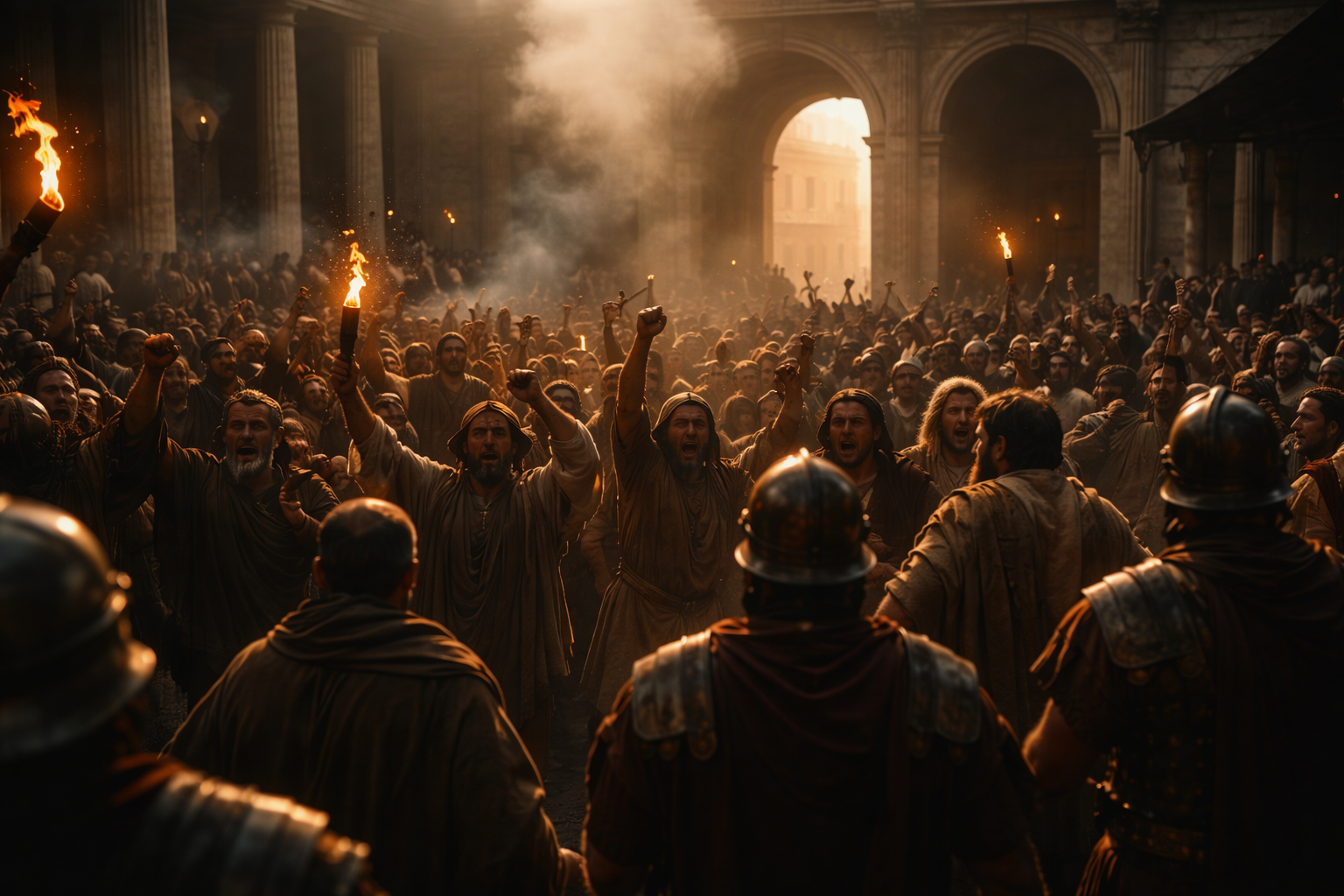
The cry still hangs in the air.
“Barabbas.”
It doesn’t just echo. It lingers. Like thunder rolling long after the lightning has already struck.
Inside the governor’s residence, you can feel the shift. The temperature has changed. Pontius Pilate looks out at the crowd, and for just a moment, his composure slips.
“What is wrong with these people?” he must be thinking.
Release a criminal. Execute a teacher.
His guards don’t react. They’ve seen this before. Their faces are trained into stillness, but their bodies are ready.
“Flog him.”
The Machinery of Power
Step a little closer.
This part feels routine. That’s what catches me off guard. No hesitation. No moral struggle. Just movement.
One soldier begins weaving something together. Thorns. Quick hands. Another reaches for a robe. Purple. A joke before the joke is even spoken.
The others begin their work. Blows fall. Not wild. Not chaotic. Measured. Practiced. This is not rage. This is procedure.
Scourging was part of the Roman system. A way to weaken a man before crucifixion. A way to humiliate him in front of others. A warning to anyone watching.
Rome did not just punish. It performed.
They press the crown onto his head. They drape the robe over his shoulders.
“Hail, king of the Jews.”
Laughter.
I find myself wondering something I didn’t expect to ask.
Did any of them look him in the eye?
“Rome did not just punish. It performed.”
“Behold the Man”
“Enough.”
That’s how I imagine it.
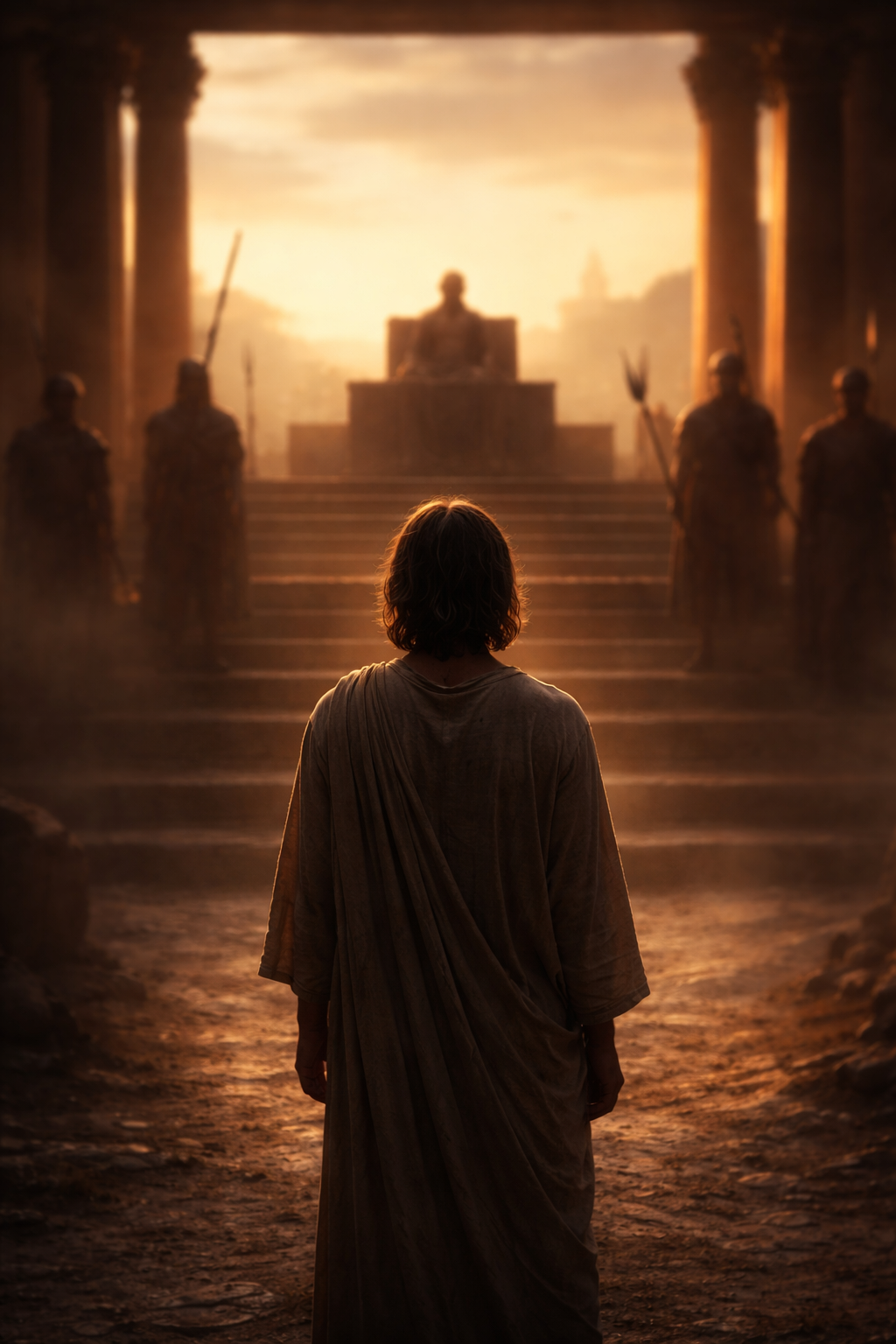
They bring Jesus back out.
Bloodied. Bruised. Silent.
Pilate gestures toward him.
“Behold the man.”
As if to say, Look at him. This is what you wanted, isn’t it?
Surely this is enough.
Surely the sight of him like this will satisfy them.
But reason is not what’s driving this moment.
When the Crowd Finds Its Voice
The response comes fast.
“Crucify him. Crucify him.”
Stronger now. Louder. Unified.
These are not outsiders. These are religious leaders. Educated. Devoted.
What would cause them to move this far?
Pilate resists.
“I find no case against him.”
He wants distance. He wants out.
But they press in.
“He has claimed to be the Son of God.”
The Fear Beneath Authority
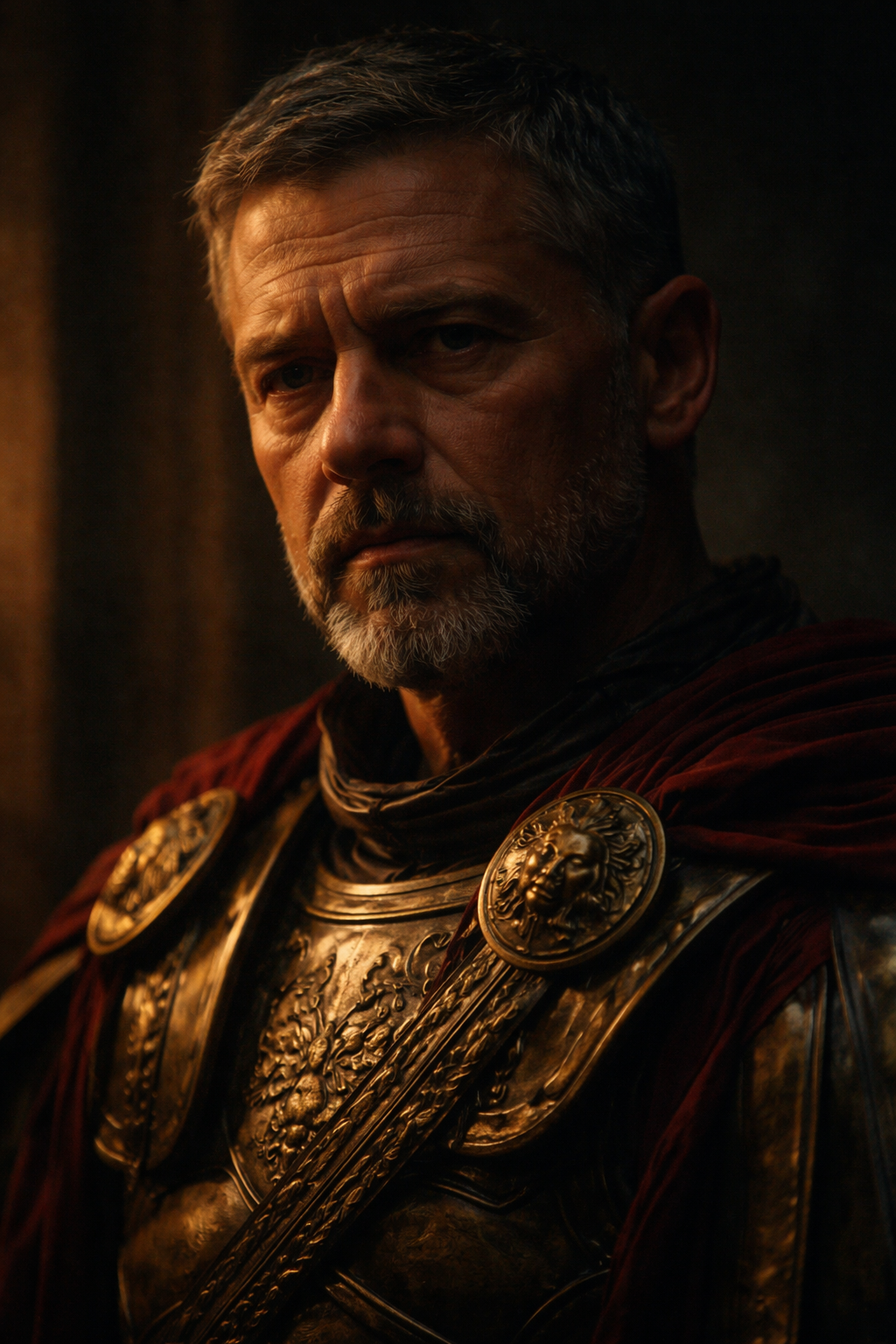
Everything shifts.
Pilate turns back inside.
Now I don’t see a governor.
I see a man who realizes he may be standing in something he does not understand.
If I condemn an innocent man, Rome may respond.
If I condemn a divine man…
He doesn’t finish the thought.
Two Realities Collide
“Where are you from?” Pilate asks.
Silence.
“Do you not know I have authority?”
And then Jesus speaks.
“You would have no authority over me unless it had been given to you from above.” (19:11)
It’s not defiance.
It’s clarity.
Everyone in this scene is acting out of a reality.
Pilate’s reality is power and survival.
The leaders’ reality is protection and control.
Jesus’ reality is something deeper.
He is not reacting.
He is not grasping.
He is standing.
And suddenly the question shifts.
What reality am I living from?
“We all say we want truth. Until truth costs us something.”
The Cost of Staying Where You Are
Pilate knows the verdict.
Not guilty.
But knowing and acting are not the same.
“If you release this man, you are no friend of Caesar.”
That’s the moment.
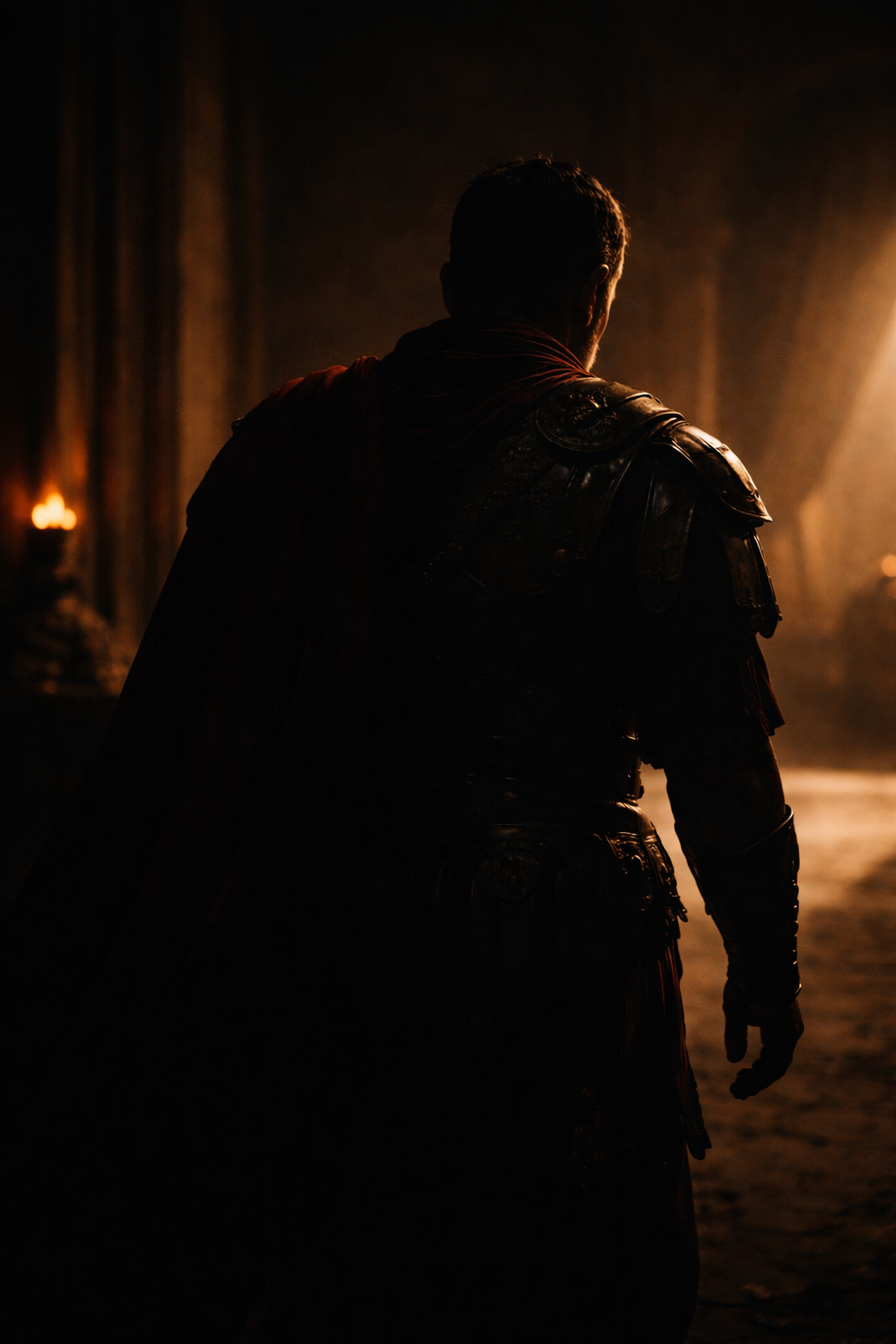
Not theology.
Politics.
Risk.
Pilate sits on the judgment seat.
“Behold your king.”
And the crowd answers:
“We have no king but Caesar.” (19:15)
The Moment We Recognize Ourselves
This is where it turns.
Not just their story.
Ours.
We all say we want truth.
Until it costs us something.
We all believe we would stand firm.
Until standing firm threatens our place.
Pilate steps back.
And the decision is made.
Not because it was right.
But because it was easier to live with.
“Not because it was right, but because it was easier to live with.”
Walking Out of the Scene
We are not just observers.
We are participants.
Some days, we are Pilate.
Some days, we are the crowd.
And sometimes, we protect what is familiar simply because it is ours.
And then there is Jesus.
Not arguing.
Not defending.
Just standing.
Clear.
Grounded.
Free.
So maybe the question is not, What did they do?
Maybe it’s this.
When the pressure rises…
Who am I in that moment?
And just beneath that question:
What would it look like to live from a different reality?
This is the glimpse I’ve been given, through John’s words and my own walk through loss and light.
Notes for my Grandchildren:
Pay attention to the “routine” moments. That’s where compromise hides.
Fear will quietly shape your decisions if you don’t name it.
Your identity determines your actions under pressure.
Freedom comes from inner clarity, not external control.
