
19.3 — Before the Sun Goes Down
Based on John 19:31–42
“Finished?”
The word didn’t land the way I expected it to. It didn’t bring any real sense of closure, and it didn’t feel like the end of anything I could recognize. If anything, it opened something in me that I wasn’t prepared for and didn’t know how to resolve.
No sooner had he said it than his head dropped, and something in me dropped with it. I found myself on my knees before I had time to think about it, my eyes closing as if that might help me gather myself or make sense of what I had just witnessed.
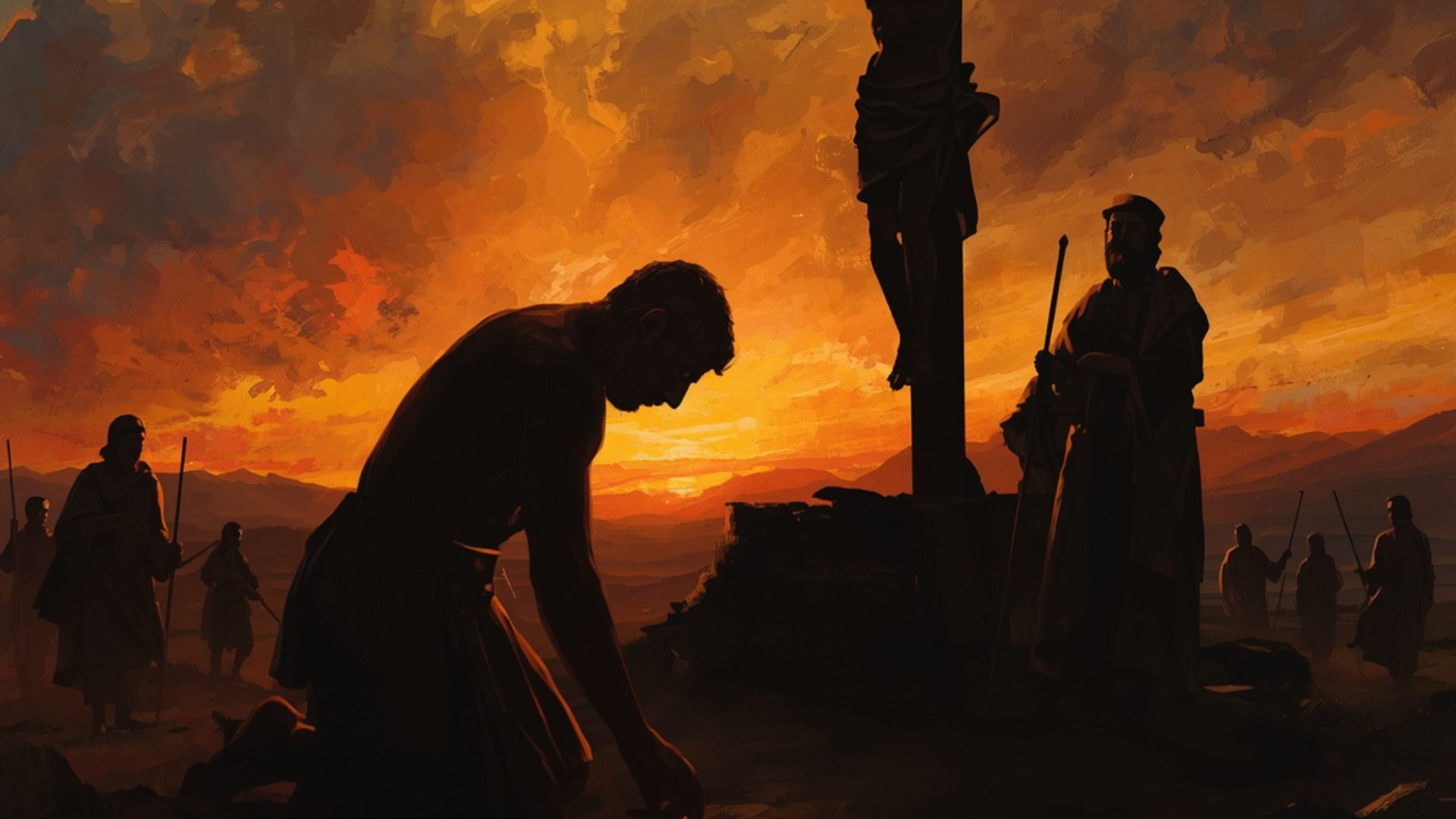
“Finished?” The word did not bring closure. It opened something deeper.
But when I turned inward, there was nothing steady to hold onto. There was no clear thought, no guiding voice, only a swirl of reactions that didn’t fit together.
When Silence Is the Only Answer
Guilt rose first, asking questions that came too quickly and cut too sharply. Why didn’t I do more? Why didn’t any of us do more? It felt as if there must have been a moment somewhere in all of this when something could have been stopped, when someone could have stepped forward and changed the direction of the day.
Then came pity, quieter but just as heavy, settling in with the realization that a life so full of presence and insight had come to an end in a way that felt completely out of proportion to what it had been. It didn’t seem right, and I couldn’t reconcile the two.
And beneath both of those was the question I resisted but couldn’t avoid.
Where was God in this?
If there was ever a moment for intervention, for something unmistakable that would interrupt what was happening and make sense of it, this seemed like it. If there was ever a time for something to break through the silence, this was it.
But nothing came.
No voice, no sign, no interruption that would shift the outcome.
Just silence, and the growing awareness that whatever I had expected God to do, it wasn’t happening here.
The Spear and the Confirmation
I don’t know how long I stayed there, but eventually I was pulled back by movement. The soldiers had already begun to move forward again, as if what had just happened required no reflection, only completion.
One stood back while another stepped forward with a spear, and before I could fully process what he intended, it was done.
The motion was quick, almost routine, and then I saw what followed.

The soldiers were confirming death, but John wants us to keep looking.
Blood, and something else with it.
Water, or what looked like water, flowing with the blood in a way that didn’t make sense to me in the moment, though the meaning behind the act was clear enough.
They were confirming death.
There was no ceremony to it, no acknowledgment beyond what was necessary. A glance, a small shift in posture, and then they were satisfied that their work had reached its end.
But for us, it hadn’t ended.
The Clock Was Moving
As I lifted my head, I noticed the leaders nearby were already focused on what came next. The Sabbath was approaching, and the urgency of that reality had begun to take over.
The bodies could not remain where they were. That would violate everything the day represented, and the timing left little room for delay.
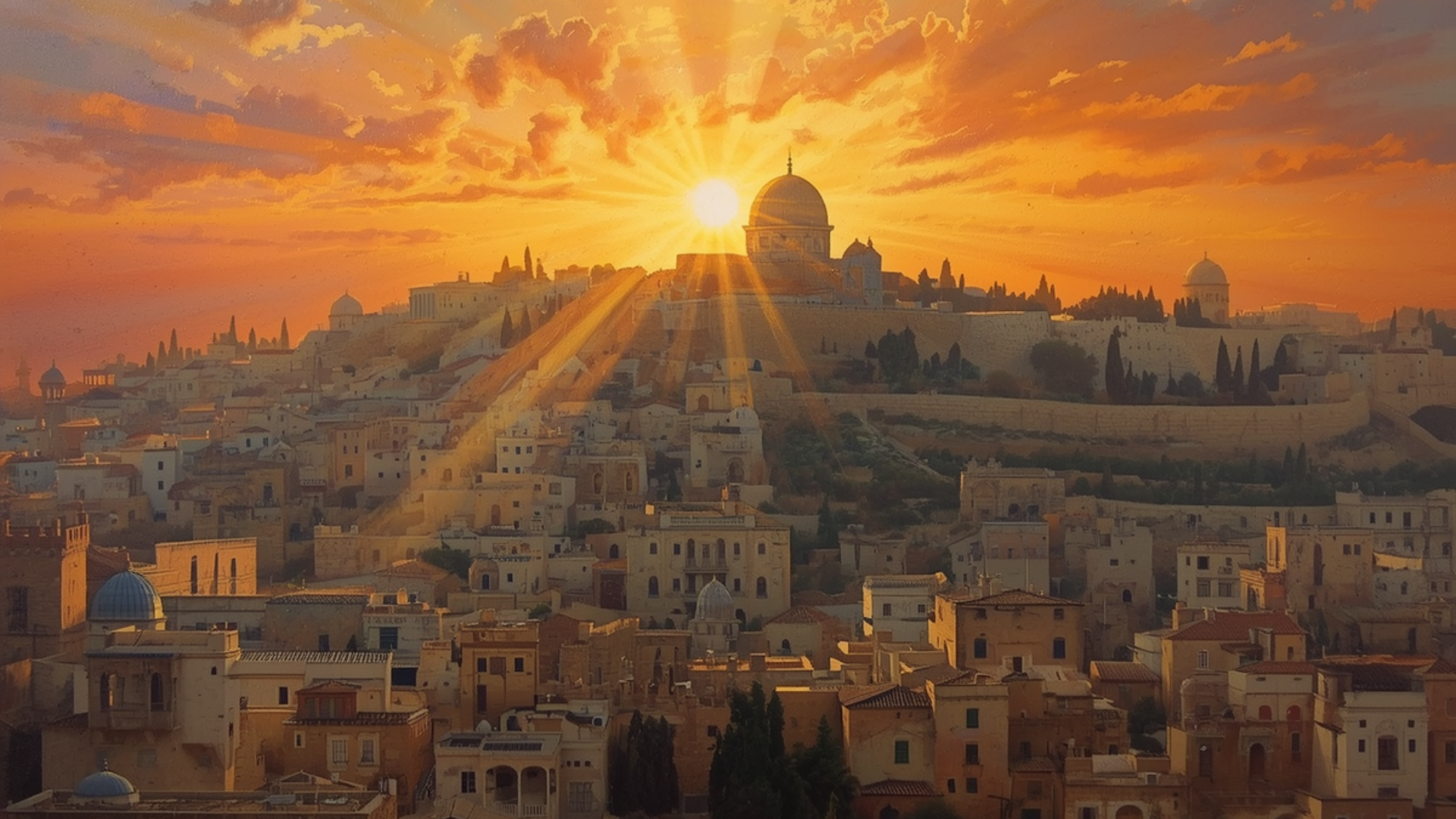
The Sabbath was coming. The light was fading. The question became, what happens now?
So they went to Pilate.
That struck me, because I knew that Rome didn’t usually handle things this way. Leaving bodies on crosses was part of the point, a continuation of the message long after death had taken place.
But this time, Pilate agreed.
Whether it was to maintain order during a crowded and volatile Passover, or because even he had reached some kind of limit, I don’t know. But permission was given, and that shifted everything.
The bodies would come down.
And suddenly, we were left with a question no one had prepared for.
What happens now?
There was no plan that I could see, no clear direction for what would follow, and the light was already beginning to change, reminding us that time was running short.
The urgency wasn’t frantic, but it was present in every movement, in every glance toward the horizon, in the way conversations shortened and decisions seemed to carry more weight.
Two Men Step Forward
And then, almost unexpectedly, two men stepped forward.
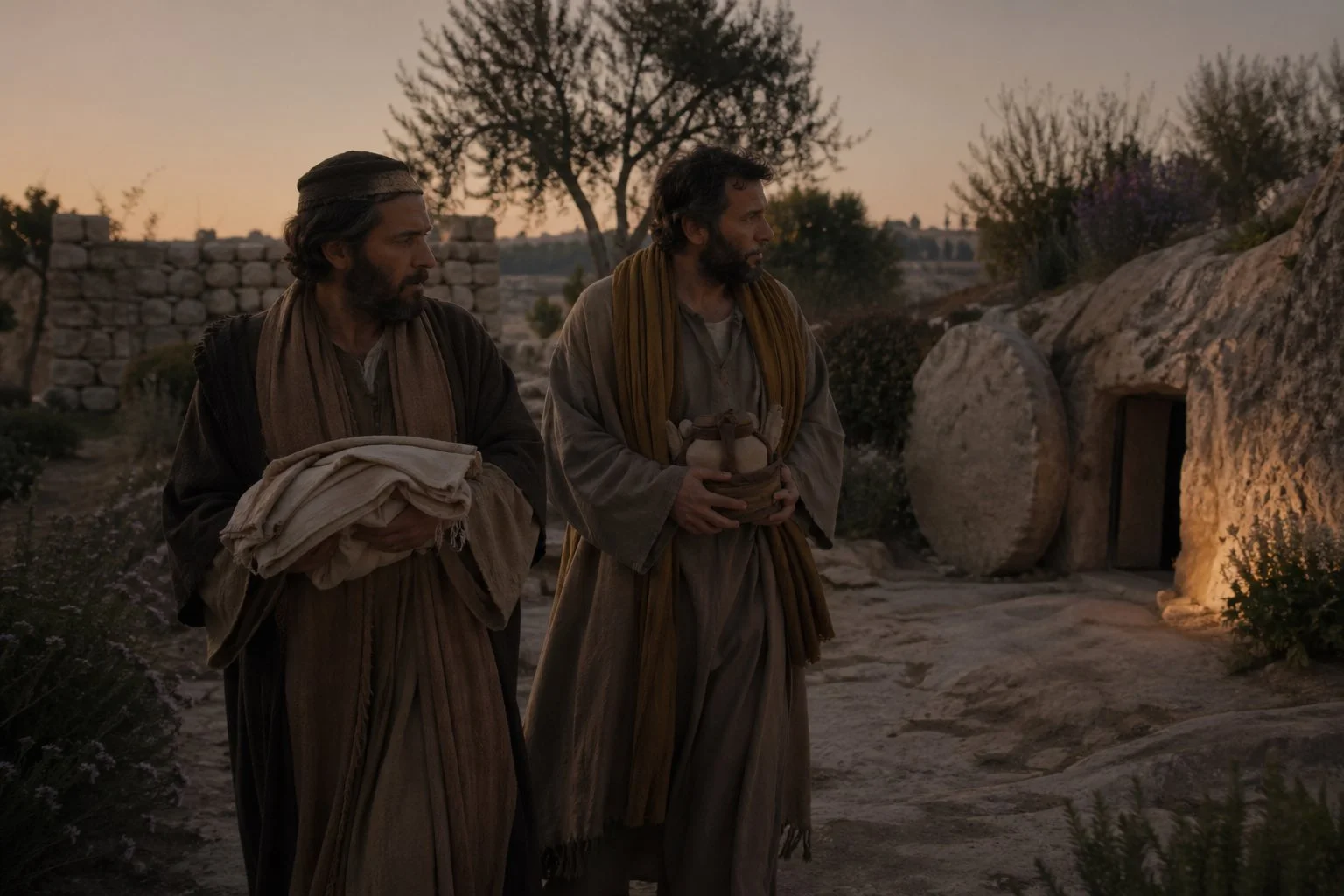
Joseph and Nicodemus stepped forward when there was nothing left to gain.
I recognized them, though only from a distance in earlier moments. They had been present, but not central, listening more than speaking, watching more than acting.
Now they were acting.
Joseph of Arimathea and Nicodemus.
Men of position, of influence, men who had something to lose by stepping into this moment.
Joseph went directly to Pilate, which told me everything I needed to know about his standing. You don’t approach the governor like that unless you have both the access and the willingness to be seen.
Nicodemus arrived carrying spices, and not a small amount.
The scent reached us before I fully understood what he was carrying, heavy and unmistakable, the kind that settles into the air and stays there. It was more than what was required, more than what would have been expected in a hurried burial.
Which raised a question that stayed with me as I watched them.
Why now?
Why step forward now, when everything seemed to be unraveling, when association carried risk, and when there was nothing left to gain?
I wanted to ask where they had been earlier.
Men like this had access. They had standing. They knew how rooms worked where decisions were made. Had they spoken sooner, would anything have changed? I don’t know. Maybe not. Once fear, politics, and religious urgency begin moving together, they become their own kind of machine.
Still, the question lingered.
Had they been silent because they were wise, or because they were afraid?
Before I could aim that question too sharply at them, it turned back toward me.
Had they believed all along, watching from the edges until this moment finally moved them beyond hesitation? Or had love been growing quietly in them, slower than courage but deeper than fear?
I could not separate their motives, and if I am honest, I cannot always separate my own.
Why do I do what I do?
Is it love that moves me, or only the need to be proper, faithful, respectable, and on time?
“Had love been growing quietly in them, slower than courage but deeper than fear?”
The Work of Care
They worked with care, not rushing but not wasting time, as if the moment required both urgency and attention.
They took the body down, and even that felt different from what had come before, as if something in the atmosphere had shifted from violence to something quieter, more deliberate.
They wrapped him in linen, layer by layer, the spices worked in as they went, the scent growing stronger, filling the space in a way that made the moment feel both heavy and set apart.
Nearby, there was a garden.
I hadn’t noticed it before, which now seemed strange, as if something had been there all along but had only just come into view.
And in that garden, a tomb.
New. Unused.
Available at the exact moment it was needed.
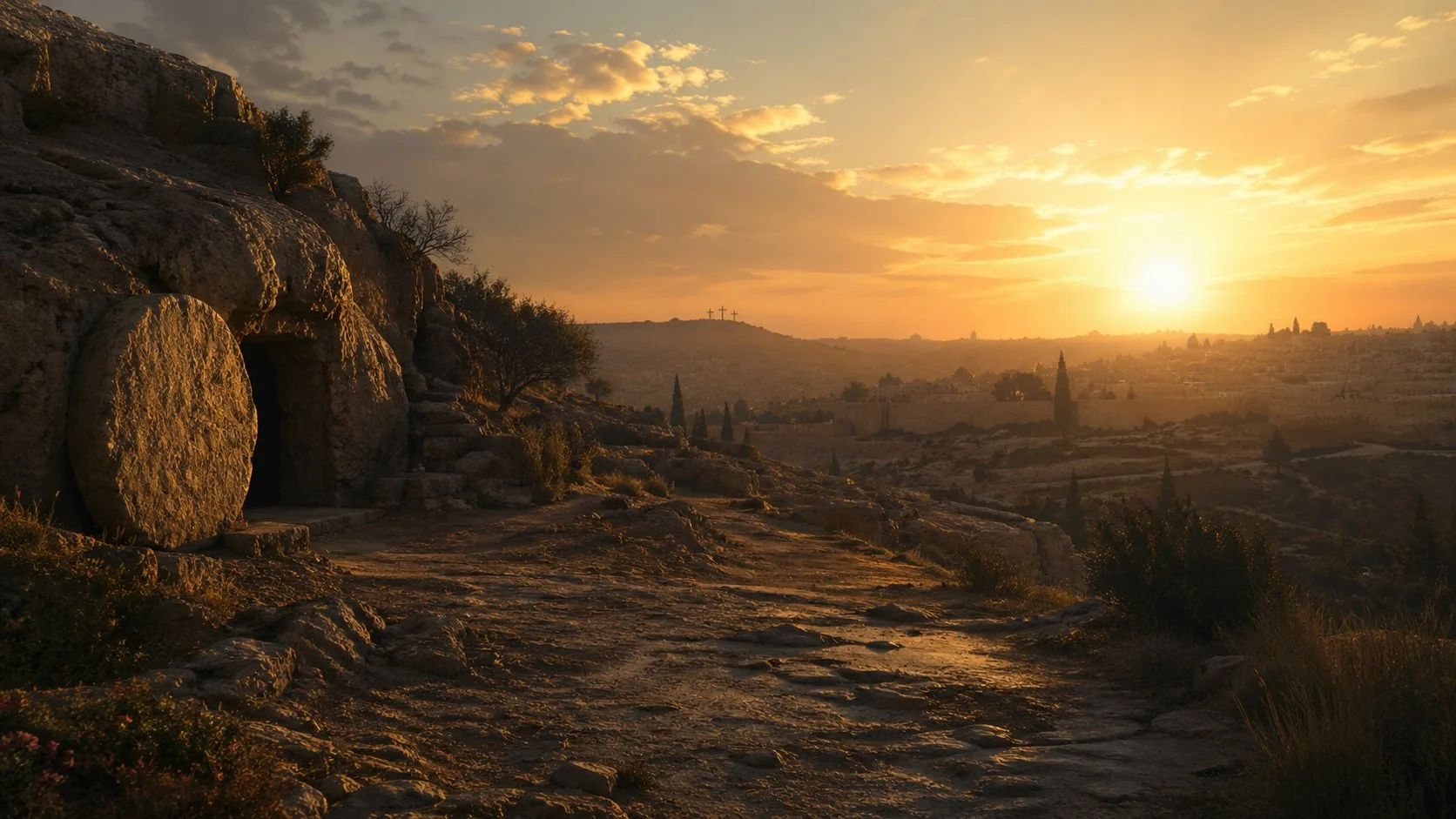
They placed him there carefully, with a kind of attention that suggested this act mattered, even if everything else had collapsed around it.
There were no speeches, no explanations, no attempt to make sense of what had happened.
Just the work itself.
And then the stone.
Heavy, final, unmistakable.
Rolled into place.
Just Enough Light
The light was nearly gone now, and the Sabbath was about to begin. Everything would stop, whether we were ready for it or not.
But inside me, nothing had stopped.
If anything, the questions had settled in more deeply.
“Finished?”
It still didn’t feel finished.
It felt suspended, as if the story had reached a point where nothing more could be done, but everything still needed to be understood. I know that place better than I wish I did, the place where life has already changed, but meaning has not yet caught up.
“Sometimes the story reaches a point where nothing more can be done, but everything still needs to be understood.”
I stood there for a while longer, the garden now quiet in a way that didn’t feel peaceful so much as unfinished, and I found myself holding onto one question, not as something to solve but as something to carry.
When the moment comes, will I step forward?
Not when it is easy, expected, or safe to explain, but when it costs something, when it asks me to move out of the shadows and into the open, and when it asks me to act not out of habit or obligation, but out of the deeper pull of love.
I don’t know if Joseph and Nicodemus had clarity when they did what they did. I doubt it.
But they moved anyway.
And maybe that is enough for now.
Maybe that is what this moment is asking of us too.
Not certainty.
Not clarity.
Just the next quiet step forward before the sun goes down.
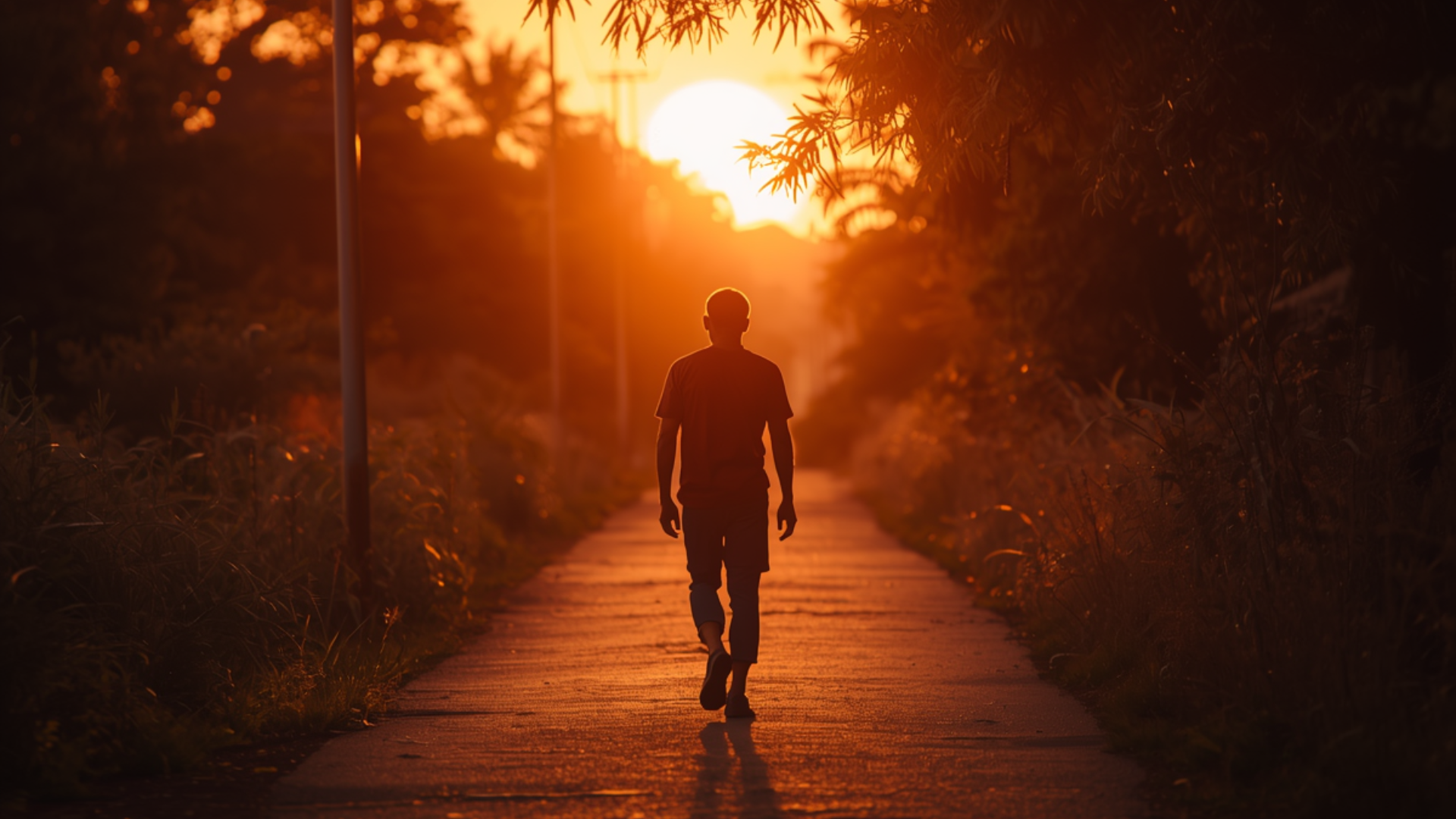
Not certainty. Not clarity. Just the next quiet step before the sun goes down.
Key Takeaways
Not every ending feels finished.
Some moments close outwardly while remaining unresolved inside us.Silence does not always mean absence.
The silence around the cross leaves the witnesses with questions rather than easy answers.Courage often arrives late, but it still matters.
Joseph and Nicodemus may have stayed hidden for a long time, but when the moment came, they stepped forward.Motives are rarely pure or simple.
Love, duty, fear, faithfulness, and respectability often move together inside us.The next step may be enough.
We do not always get certainty or clarity before we are asked to act.
“Maybe what this moment asks of us is not certainty, not clarity, but the next quiet step forward before the sun goes down.”
If you have ever lived in that place where life has already changed but meaning has not yet caught up, I invite you to keep walking with me through The John Project.
You can subscribe to receive each new reflection by email.
